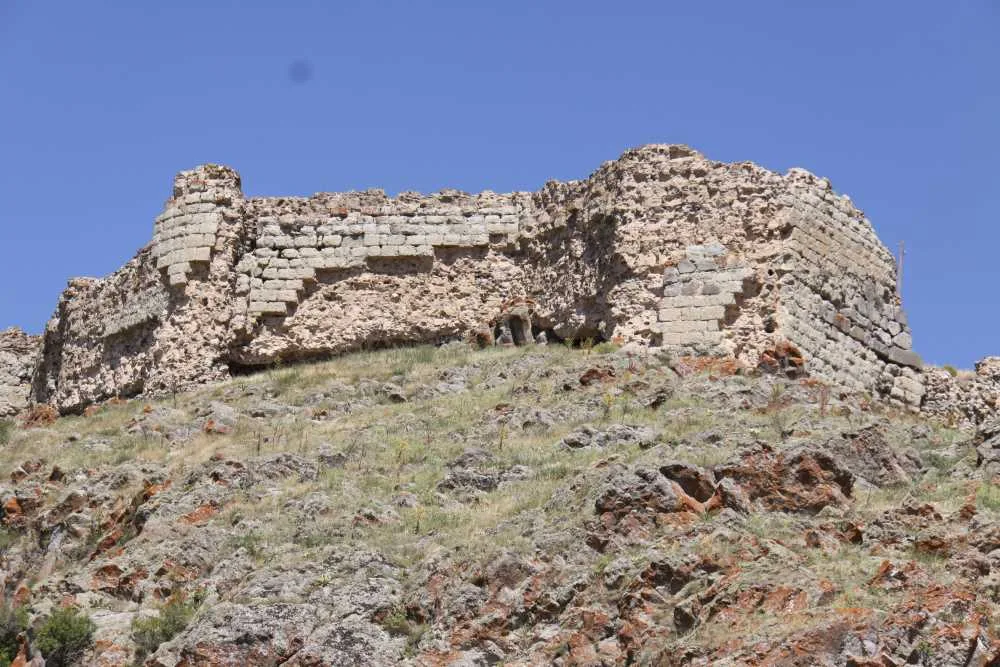
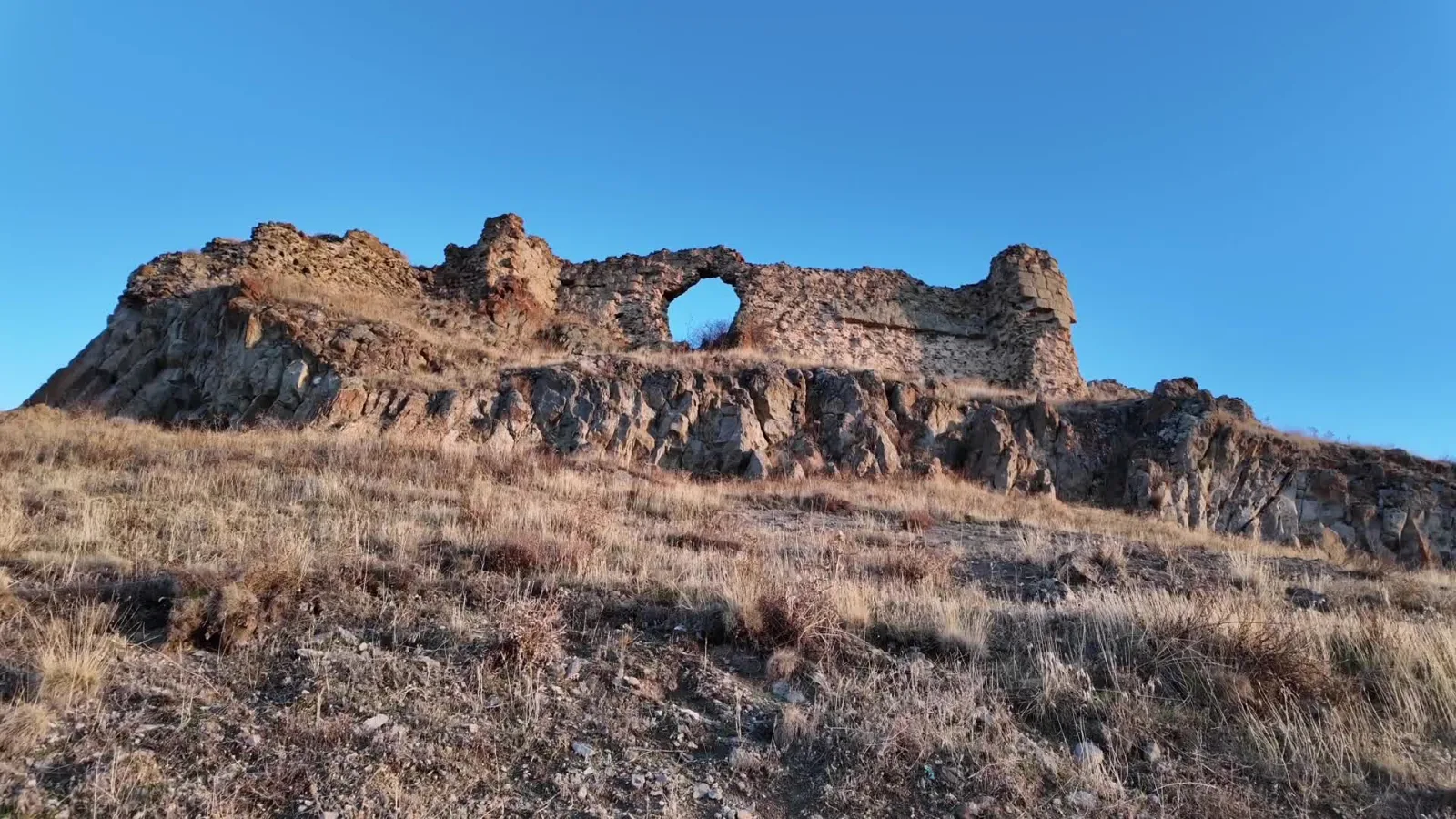
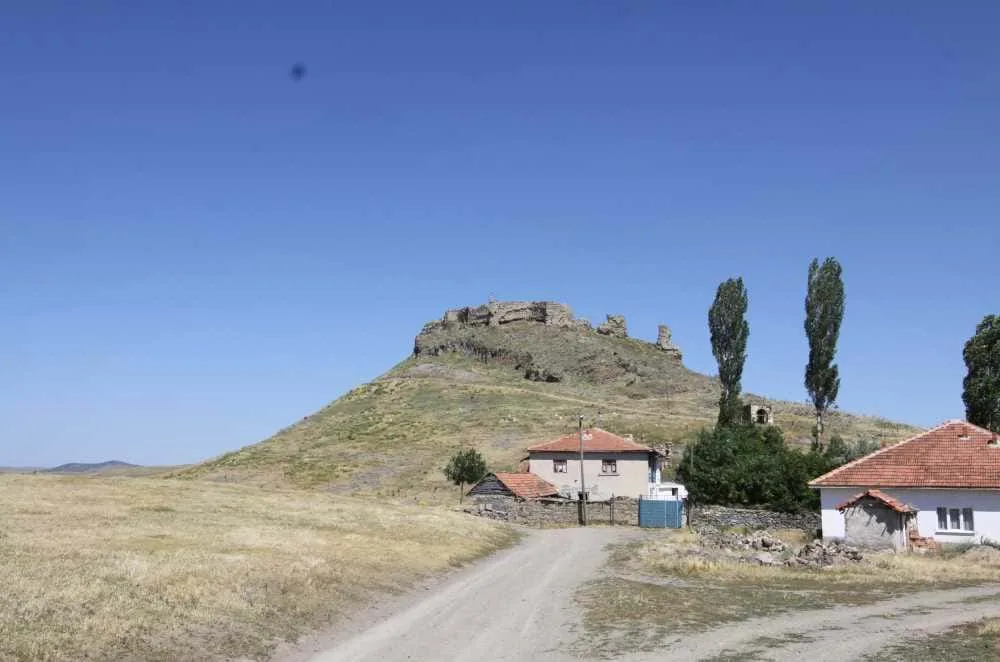
Behramşah Kalesi, Yozgat'ın Akdağmadeni ilçesindeki Muşalikalesi Köyü'nün kuzeyinde yer alan 13. yüzyıl Selçuklu kalesidir; zikzak taş örğüsü ve batı eteklerindeki Ali Çelebi ile Mahmut Çelebi türbeleriyle gezilir.
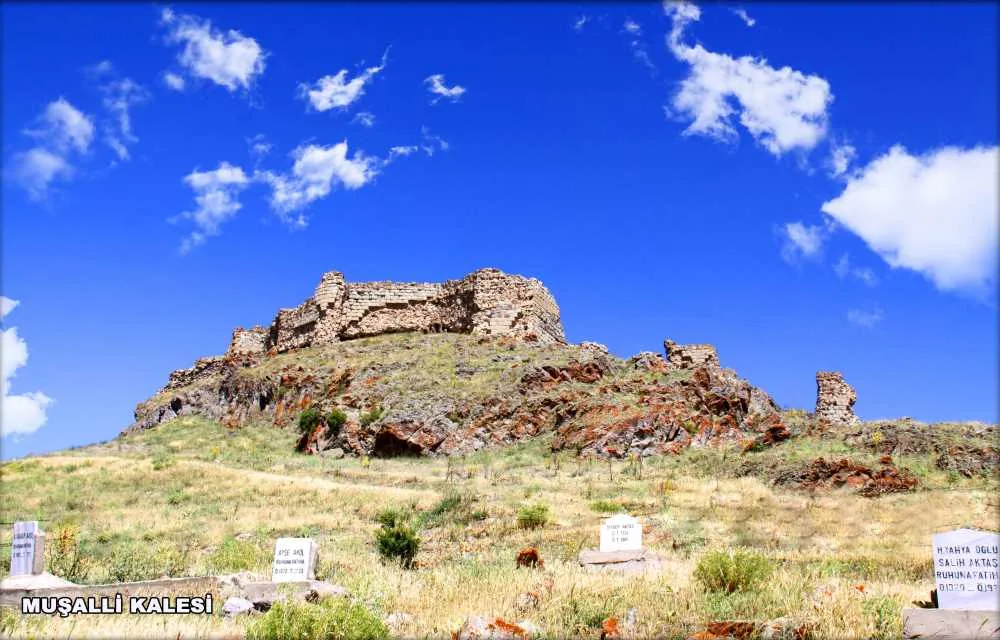
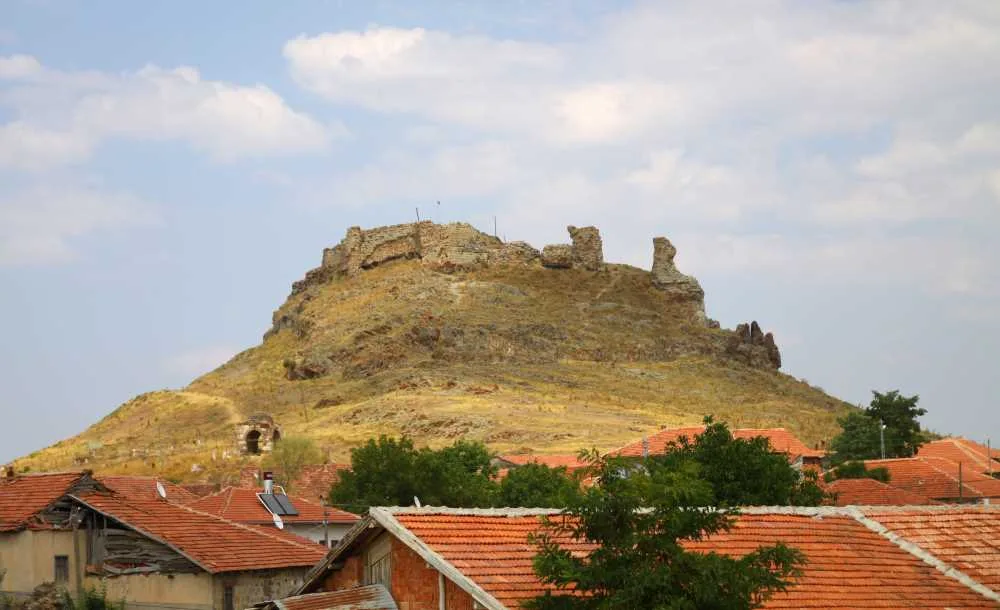
Muşalikalesi is a small but sturdy Seljuk castle built on a dominant hill north of the village it gives its name to. According to sources, it is believed to have belonged to Necmeddin Bahramşah-ı Candar, one of the emirs of Gıyaseddin Keykavus (1237-1246). For this reason, it is also known as Behramşah Castle. Its construction is dated to the first half of the 13th century.
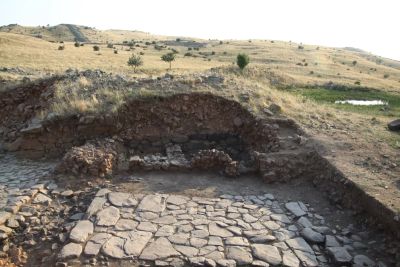
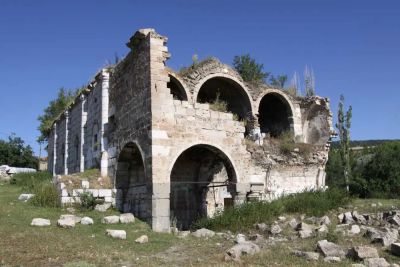
The walls are faced with cut stone over rubble stone. Inside, the stone courses are arranged diagonally like bricks, forming a zigzag masonry pattern. Three small, long rectangular bastions are located on the western and northern outer walls. A large part of the castle is still standing, which makes it relatively well-preserved compared to similar structures in the region.
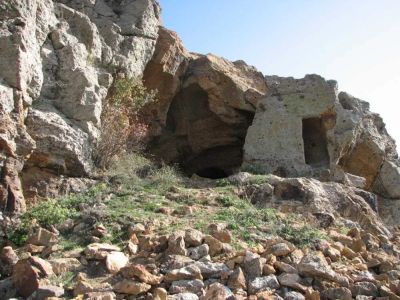
There are two tombs on the western slope of the castle. The one closer to the castle is the Ali Çelebi Tomb, and the one further down is the Mahmut Çelebi Tomb. According to inscriptions, these structures were built between 1466-1477; they lack decorative elements and are simple burial structures. The burial chamber of Mahmut Çelebi is covered with juniper trees, and the 112th Surah of the Quran is inscribed on his broken tombstone. The area is also shared on social media for its sunset views. The wide-angle view of the Akdağmadeni surroundings from the hill attracts photographers.
Guide's Note
Best Time to Visit
Since the castle is an open-air area on a hill, spring and summer months are the most comfortable period for visiting. In winter months, village roads can be closed due to snow and ice. If you plan to go between October and April, check local weather and road conditions in advance. Those who go near sunset can catch a wide view from the hilltop.
How to Get There
From Yozgat city center, you can go to Akdağmadeni district, and from there to Muşalikalesi Village by private car; the total duration is approximately 1 hour. Public transportation options are limited. Therefore, it is more practical to go by your own car or by researching minibus schedules departing from the district in advance. After reaching the village, the ascent to the castle requires a short walk, sturdy shoes will be useful when climbing the hill.
How Much Time to Allocate
One to one and a half hours is sufficient to visit the castle and the two surrounding tombs together. Those who want to take photos or sit on the hill and watch the view can extend their time. It can also be included in a half-day trip plan by combining it with other points of Akdağmadeni.
Suggested Route
First climbing to the castle to examine the general view and the bastion ruins, then descending to the Ali Çelebi Tomb on the western slope, and then to the Mahmut Çelebi Tomb below, is a logical sequence. This way, a route descending from high to low is followed, eliminating the need for a strenuous climb back up.
Photo Spots
The highest point of the hill offers the opportunity to frame both the zigzag stone masonry of the castle walls and the general view of the village and surrounding land. Sunset is preferred in images shared on social media. It is observed that the stone texture becomes clearer in the hours when the light is low.
Things to Pay Attention To
The castle has not been restored and is a structure exposed to natural erosion. Therefore, climbing the walls or running near them carries risks. The tombs are simple but respectful burial structures; there are broken tombstones inside, it would be appropriate to visit without touching them. Since the path leading up the hill can be narrow, walk carefully in windy and rainy weather.
History of the Castle
The castle is believed to have belonged to Necmeddin Bahramşah-ı Candar, one of the emirs of the Anatolian Seljuk Sultan Gıyaseddin Keykavus period (1237-1246). For this reason, it is also known as Behramşah Castle. According to the inscriptions of the tombs to its west, the burial structures belonging to Ali Çelebi and his son Mahmut Çelebi were built in the second half of the 15th century, between 1466-1477. The region stands out as a quiet historical stop bearing the traces of the transition period from Seljuk to Ottoman.
This content originates from neresigezilir.com.tr and may not be copied without permission.
Akdağmadeni Muşalikalesi (Behramşah Castle) Videos
Akdağmadeni Muşalikalesi (Behramşah Castle) videos load when you open this section to keep the page fast.
Show videos
FAQ
Updated: