Kadifekale is the acropolis of ancient Smyrna, located on a 186-meter-high hill in the Konak district of İzmir. A symbol of the city since the Hellenistic period, the castle offers panoramic views of İzmir Bay and the city and can be visited for free.
Kadifekale is one of İzmir's most recognized historical structures and also offers one of the city's best viewpoints. Known as Pagos in ancient Greek, this hill was considered the heart of ancient Smyrna. The walls, built during the Hellenistic period, were expanded by the Romans and Byzantines; they also underwent various repairs during the Ottoman period. The ruins standing today reflect the layered accumulation of that long history.
The castle's name comes from the dark color of its stones, which resemble a velvet texture. From this point, overlooking İzmir from a height of 186 meters, the bay, the rooftops of Kemeraltı, and distant hills are visible in a single glance. Especially in the evening, as the sun sets and the orange light spreads over the city, it causes everyone who comes here to fall silent for a while. The surrounding Kadifekale neighborhood is also worth visiting; narrow streets and the old İzmir texture still live here.
Guide's Note
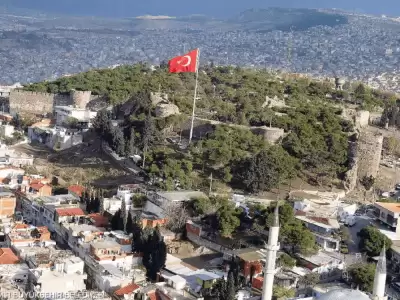
Kadifekale is a historical site located at one of İzmir's highest points, offering a bird's-eye view of the city's bay. The vast majority of visitors agree that the main reward for coming here is the panoramic view: this almost 360-degree view encompassing İzmir Bay and the city becomes particularly impressive at sunset. Comments also reflect that it is a preferred stop for those who want to take photos.
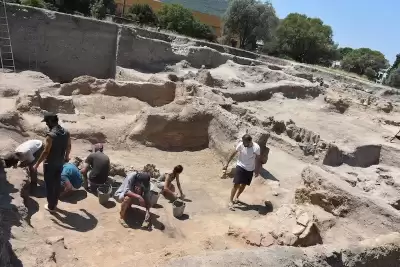
Historically, the castle harbors thousands of years of history with ancient walls, Roman-era cistern ruins, and traces of various structures. Entry is free, and it is accessible by public transport or taxi. It is also noted that there are directional signs along the way and locals are helpful to visitors.
However, multiple visitors have expressed reservations about some issues:
- Lack of maintenance and cleanliness: The interior and surroundings of the castle are not found to be sufficiently clean and well-maintained; the problem of litter and weeds was also highlighted in several comments.
- Insufficient restoration: The state of preservation and repair of historical structures does not meet visitors' expectations; only wall ruins can be seen at the site.
- Access road: It is stated that the road leading up to the castle is narrow and steep, and it can be difficult to drive up and down.
Best Time to Visit
It is possible to visit Kadifekale throughout the year; however, İzmir's summer heat can make climbing the hill tiring. The months of April–May and September–October are the most productive periods in terms of both temperature and visibility. Although there are occasionally foggy days in winter, the bay appears incredibly clear after rain.
Going up here at sunset offers a completely different experience. As the sun descends towards the Aegean, İzmir's silhouette takes on orange and pink hues. At this time, the crowd also relatively decreases, and there is space for taking photos.
How to Get to Kadifekale?
Dolmuşes departing from Konak Square and around Basmane make regular trips to Kadifekale. For those traveling by car, there are parking facilities along the road leading up to the hill. Those who want to walk can reach the hill in about 20–25 minutes starting from Agora; the road is steep, comfortable shoes are a must.
It can also be easily reached by taxi or car rental. Thanks to its proximity to Konak Square, it is a stop that can be combined with other historical points of İzmir on the same day.
Suggested Itinerary: Historical Peninsula Tour
Kadifekale becomes a much more meaningful trip when combined with historical points around Konak. Start early in the morning at the Agora Open Air Museum; after visiting the ancient Smyrna trade area, climb the hill to reach Kadifekale. In the afternoon, explore the castle and enjoy the view.
In the afternoon, descend from Kadifekale and head towards Kemeraltı Bazaar. Wander among historical inns, spice shops, and small stores. You can complete the day with a walk along the seaside at Kordon.
Photo Spots
The best photo spot in Kadifekale is the open viewing area on the north facade of the castle. From here, İzmir Bay, Alsancak pier, and the city's horizontal silhouette can be captured in a single frame. The light before sunset, known as the golden hour, brings out the texture of the stones and the color of the bay in the most beautiful way.
The narrow paths passing between the castle walls also offer interesting frames. Contrast shots where ancient stones and the modern city appear in the background are easily captured here. It is also a suitable spot for night photography; city lights and bay reflections yield good results for long exposure shots.
What to Eat Nearby?
Right around Kadifekale, there are small tea gardens and street vendors selling simit and börek. For a more comprehensive dining experience, you need to go down to the Kemeraltı and Basmane districts below. In this area, dozens of local restaurants serving İzmir's classic flavors such as boyoz, kumru, and İzmir köfte are lined up.
The cafes around the historical Kızlarağası Han in Kemeraltı are worth visiting for both their atmosphere and local tastes. As you go down to the seaside, fresh fish restaurants also become an option.
Things to Consider Before Visiting
Since some neighborhood streets around Kadifekale can be deserted, especially solo visitors are advised to be careful late at night. The roads leading up to the hill are steep and stony in some places; choosing flat-soled, non-slip shoes increases both comfort and is important for safety.
In summer, the sun is quite harsh; bring water and sunscreen. Shaded areas in the castle are limited. There is parking for those coming by car; it can fill up on weekends and holidays, so going early is more practical.
Historical Background
Kadifekale was known as Pagos in ancient times. According to legend, Alexander the Great, King of Macedonia, heard the voices of goddesses commanding him to build Smyrna on this hill after a dream he had while sleeping under a plane tree here. Fact or legend, archaeological data supports that the city was planned downwards from this hill during the Hellenistic period.
During the Roman and Byzantine periods, the city walls were strengthened, and with Ottoman rule, the castle underwent various repairs. The ruins that have survived to the present day bear the traces of this long process. The origin of the castle's Turkish name comes from the velvet-like appearance of the stone surfaces.
This content originates from neresigezilir.com.tr and may not be copied without permission.
Kadifekale Videos
Kadifekale videos load when you open this section to keep the page fast.
Show videos
FAQ
Updated: