Istiklal Avenue is a 1.4 km pedestrian street in Istanbul's Beyoğlu district, stretching between Tünel and Taksim; since the 19th century, it has housed architectural structures, churches, passages, and cultural venues from the Ottoman and Republican periods.
Istiklal Avenue is a pedestrian street approximately 1.4 km long, stretching between Tünel Square and Taksim Square in the Beyoğlu district of Istanbul. Known as Cadde-i Kebir (Grand Avenue) during the Ottoman period and Grande Rue de Péra in French sources, this avenue has maintained its status as one of Turkey's busiest and most renowned streets since the late 19th century.
The buildings from the late Ottoman and early Republican periods, Greek Orthodox and Catholic churches, historic passages, art galleries, bookstores, cafes, and restaurants lining the avenue elevate Istiklal far beyond an ordinary shopping street. The avenue, with Galatasaray High School at its midpoint, administratively covers 9 separate neighborhoods and is located at an average elevation of 74 meters.
Guide's Note

About Istiklal Avenue
Istiklal Avenue, stretching from Tünel Square to Taksim Square, is one of Istanbul's most iconic routes. Known as Cadde-i Kebir during the Ottoman period, this avenue developed into the commercial and social center of the Pera district from the second half of the 19th century. The embassies, luxury hotels, and mansions of Levantine merchants of the era lined this avenue, creating Istanbul's most cosmopolitan corner.
Today, the avenue hosts a continuous flow of people from early morning until midnight. International chain stores coexist with independent bookstores, record shops, small boutiques, and traditional patisseries. The Galatasaray High School building, marking the midpoint of the avenue, is an important reference point both architecturally and in terms of educational history.
When to Visit?
Istiklal Avenue can be visited any day and any time of the year; however, the experience varies greatly depending on the time and season. On weekday mornings, the avenue is relatively calm; during these hours, you can comfortably examine the architecture of the buildings, passage entrances, and church courtyards.
In the afternoon and evening, the avenue transforms into its most vibrant state, where you can feel the pulse of Istanbul most strongly. This atmosphere, filled with street musicians, vendors, and large groups, allows you to directly experience the city's energy. Spring and autumn months are the most comfortable periods for walking; in summer, the avenue can be quite crowded and hot. In winter, it offers a distinct visual feast, especially with New Year's decorations.
Suggested Route
Starting your tour from Tünel Square allows you to explore the avenue from bottom to top. The historic building and narrow streets that greet you at the Tünel exit reflect Beyoğlu's old Pera identity. A few steps further, you will see the French Consulate building and its passage area on your left.
As you proceed along the avenue, you will encounter the red-brick Neo-Gothic facade of St. Anthony of Padua Church; it is possible to enter the courtyard and visit its interior. Nearby is the Pera Museum; it is recommended to allocate time for its Ottoman-era artifacts and Osman Hamdi Bey's famous painting. As you approach Galatasaray High School, you will find Çiçek Pasajı on your right and the Balıkpazarı (Fish Market) right behind it. At the end of the route, you will reach Taksim Square; from here, you can head towards Gezi Park or the streets of Tarlabaşı.
Photo Spots
Istiklal Avenue serves as an open-air studio for photography enthusiasts. The Nostalgic Red Tram, running along the avenue, offers iconic shots against the backdrop of the crowded street; you can take long-exposure shots by waiting for the tram to pass.
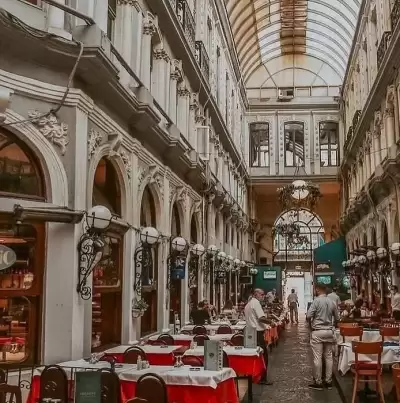
The red-brick facade and narrow courtyard entrance of St. Anthony of Padua Church provide impressive photos, especially in the morning light. The high-ceilinged, glass-roofed interior of Çiçek Pasajı is a perfect setting for architectural photography. The narrow streets and historic apartment facades at the Tünel end of the avenue are also ideal for documentary-style shots. At night, the brightly lit avenue creates a unique backdrop for long-exposure city photography.
What and Where to Eat?
Istiklal Avenue and its surrounding streets offer Istanbul's most diverse dining options. Historic patisseries and cafes on the avenue are among the stops where you can find classic Turkish pastries and freshly brewed tea. The taverns and fish restaurants around Çiçek Pasajı are indispensable for those who want to experience traditional Istanbul cuisine.
At Balıkpazarı, you can explore street flavors with stuffed mussels (midye dolma), fish sandwiches (balık ekmek), and various meze options. In the side streets of the avenue, especially around Asmalımescit and Nevizade Street, you'll find rows of small restaurants and taverns; these streets come alive particularly in the evenings. For those looking for sweets, ice cream shops and traditional pudding shops can also be easily found on the avenue.
Shopping
Istiklal Avenue offers a wide range of shopping options. Large stores of international clothing brands are located on the main thoroughfare, while if you venture into the side streets, you will encounter independent designer workshops, vintage clothing stores, and small boutiques selling handmade products.
For book and music lovers, there are numerous bookstores and record shops on and around the avenue. Historic passages transform shopping into a unique experience, both architecturally and due to the distinctive shops within them. For those looking for souvenirs and handicrafts, while not as intense as the Grand Bazaar, various options are available around the avenue.
Things to Consider
Istiklal Avenue is one of Istanbul's busiest spots, so it can be very crowded, especially on weekends and holidays. It is advisable to pay attention to your valuables and bag; it is necessary to be vigilant against pickpocketing in crowded environments.
Some restaurants and cafes on the avenue may have tourist-oriented pricing; it is wise to check menu prices before ordering. The Nostalgic Tram only operates along the avenue and has limited stops; you will need to use the metro or bus to reach other parts of the city. Since there is traffic in the side streets parallel to the avenue, pedestrians should be careful when crossing.
How to Get There?
The most practical way to reach Istiklal Avenue is by using the M2 Metro Line. You can start from the Taksim end of the avenue by getting off at Taksim station. There is a direct metro connection to Taksim from various points on the European side.
For those coming from Karaköy, the historic Tünel Funicular line provides access from Karaköy to Tünel Square in a few minutes; this line holds the distinction of being one of the world's oldest still-operating metro lines. Those coming from the Anatolian side can take the Metrobus from Kadıköy or Söğütlüçeşme, get off at Zincirlikuyu, and transfer to the M2 line. Bus lines also serve the Taksim Square area extensively.
This content originates from neresigezilir.com.tr and may not be copied without permission.
Istiklal Avenue Videos
Istiklal Avenue videos load when you open this section to keep the page fast.
Show videos
FAQ
Updated: