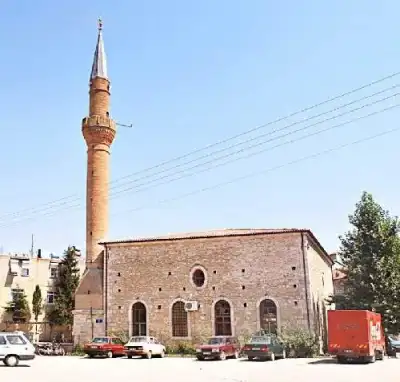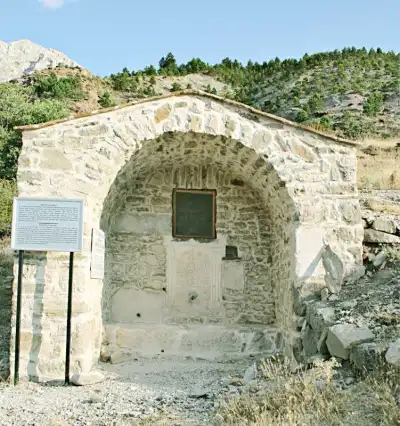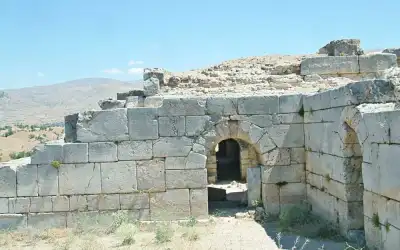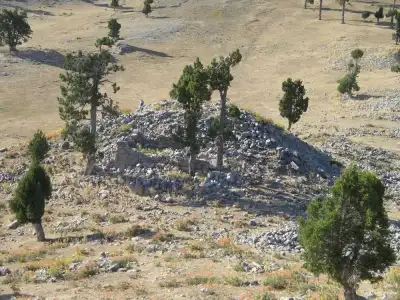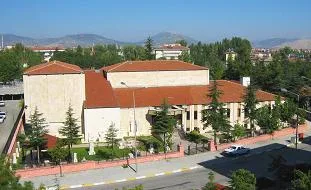
Isparta Müzesi, şehir merkezinde arkeoloji, hazine, etnografya ve halı olmak üzere dört bölümde Pisidia antik kentlerinden eserler, Osmanlı sikkeleri ve Isparta halılarını sergileyen ücretsiz müzedir.
Museum activities in Isparta began in 1933 with archaeological pieces and Islamic tombstones collected in a room of the community center. When the community center closed, the artifacts were kept in different storage facilities, and they were moved to the current building and opened to visitors in 1985. It currently consists of four main sections: Archaeology, Treasury, Ethnography, and Carpets.
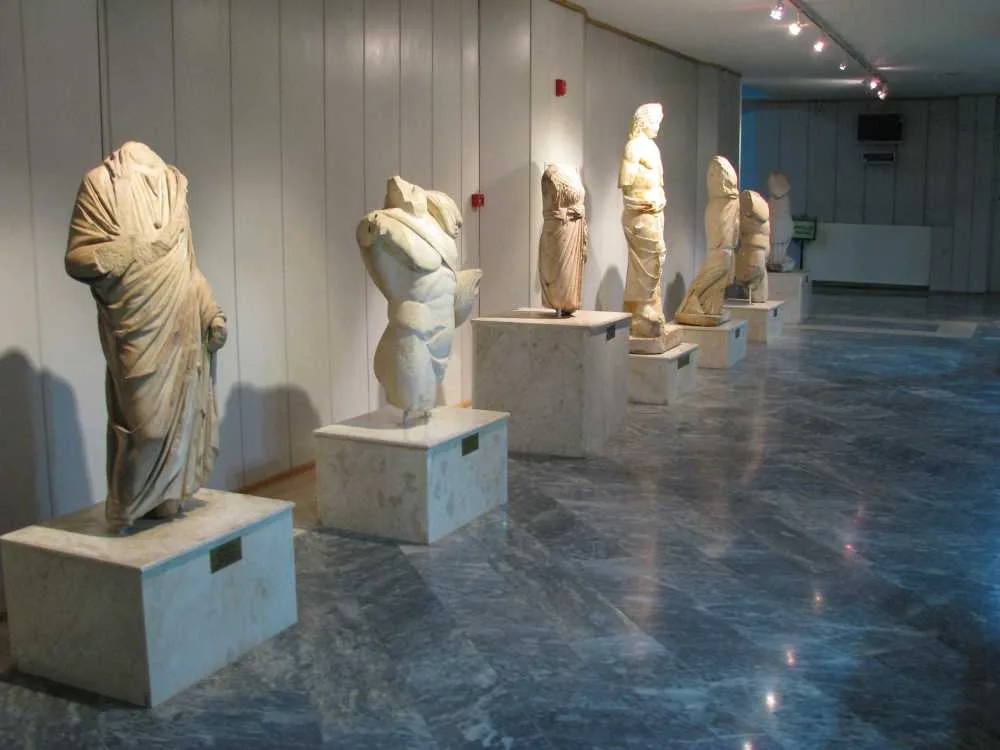
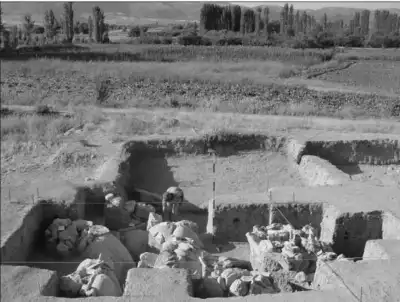
The Archaeology hall contains findings from the Gondurle (Harmanoren) excavations. The Eurymedon statue found in front of the Aksu Cave, sculptural works from the ancient city of Perge, and a grave stele in archaic style dating to the 6th century BCE from Senirkent-Yassiyoren are also on display. Icons from the Upper Church (Aya Yorgi) dating to the early 18th century are located in this section. At the entrance to the hall, there is an "Isparta House" constructed from salvaged materials from the 19th-century Hammam Keeper's House.
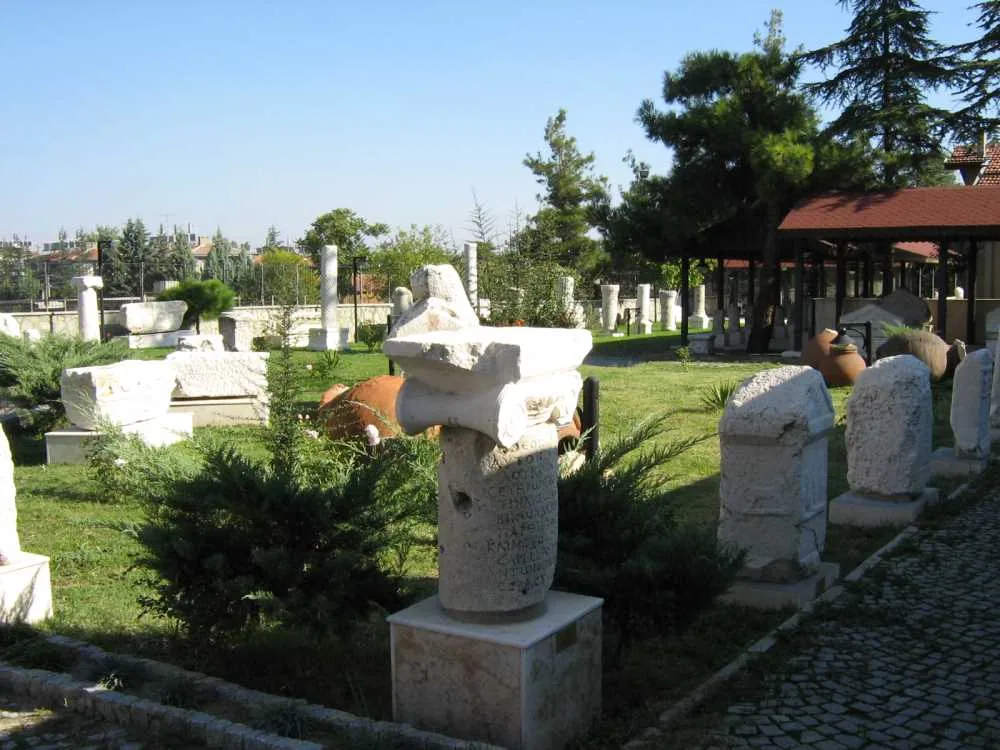
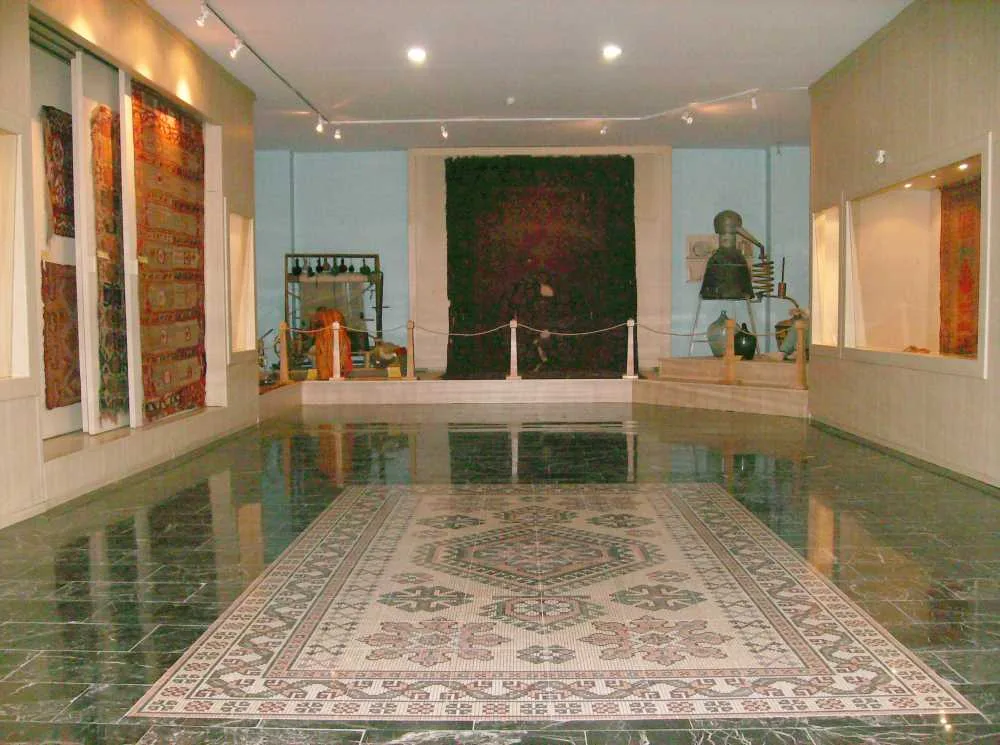
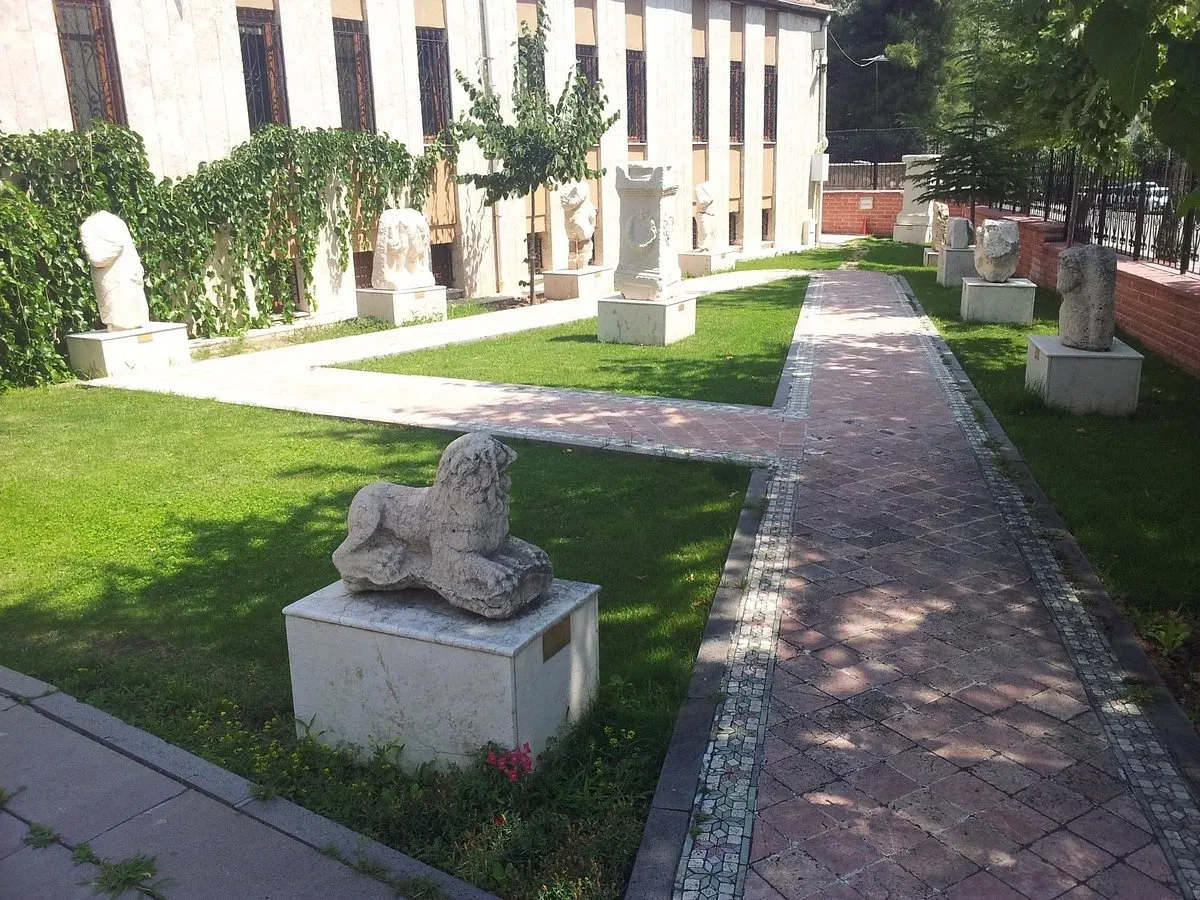
The Treasury hall displays coins from ancient cities in the Pisidia region and the Roman Empire, Byzantine and Venetian currency, and Islamic coins ranging from the Abbasid to Ottoman periods arranged chronologically. A collection containing medals and decorations from each year of Mahmud II's 32-year reign, the Egirdir Treasure, and the Karaagac Neighborhood Treasure are also here. The Ethnography hall is arranged with scenes depicting Isparta traditions such as marriage proposals and henna nights, while the carpet hall displays Isparta carpets as well as examples from established weaving centers such as Usak, Gordes, Bergama, and Konya. Grave stelae from the Roman period belonging to the Pisidia region are also displayed in the museum's front and back gardens.
Guide's Note
When Should You Visit?
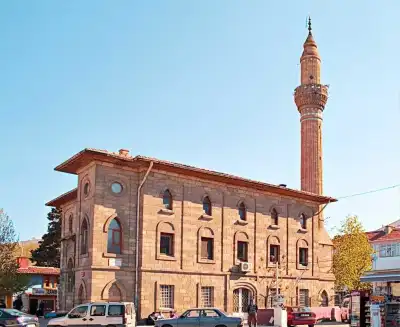
Since the museum is an indoor space, it can be visited in all four seasons. In summer, avoiding the hot midday hours of Isparta and going in the morning provides a more comfortable visit. It makes sense to plan it on the same day as other historical structures in the city center (Grand Mosque, Firdevs Bey Mosque); they are all close to each other.
How to Get There?
The museum is in the Istiklal District, in the heart of the city center. If you are coming to Isparta from outside, it is easily accessible from the bus station by city minibus or taxi. If you are staying in the city center, it may be within walking distance. Nearby historical mosques and bathhouses can also be included in your walking route.
How Long Does the Visit Take?
Walking through the four halls (Archaeology, Treasury, Ethnography, Carpets) and looking at the stone artifacts in the garden takes approximately 1-1.5 hours. This time may be extended for those who want to examine the coin collection and carpet designs in detail.
Route Suggestion
Starting the Isparta city center tour with Isparta Museum, followed by the nearby Firdevs Bey Mosque, Grand Mosque, and Dalboyunoğlu Bath creates a half-day compact program. If you have time, the Suleyman Demirel Democracy and Development Museum can also be added to the same day.
Things to Keep in Mind
The museum is sometimes closed for renovation work. If you are traveling from a distance, confirm the status by calling the museum (0246 218 34 37) before visiting. Since closed day information is unclear, planning a weekday visit is safer.
Photo Spots
Roman period grave stelae and stone artifacts displayed in the garden can be easily photographed outdoors. Inside, the Isparta House reconstruction and weaving examples in the carpet hall are also visually rich areas.
General Information About the Museum
The roots of Isparta Museum go back to 1933, to the first collection work within the community center. It has been serving at its current building since 1985. Artifacts from ancient cities in the Pisidia region (Perge, Adada, Gondurle) and Ottoman-era coins and medals form the museum's most notable collections.
This content originates from neresigezilir.com.tr and may not be copied without permission.
FAQ
Updated: