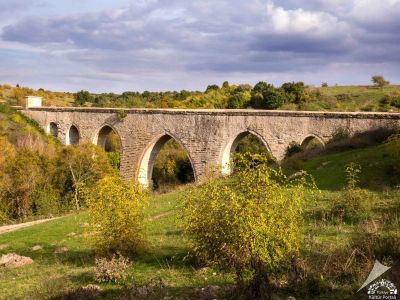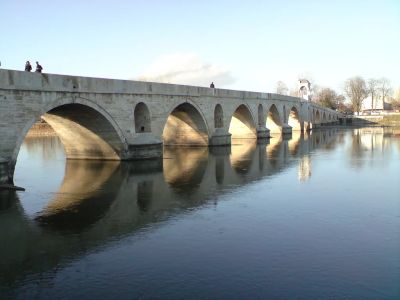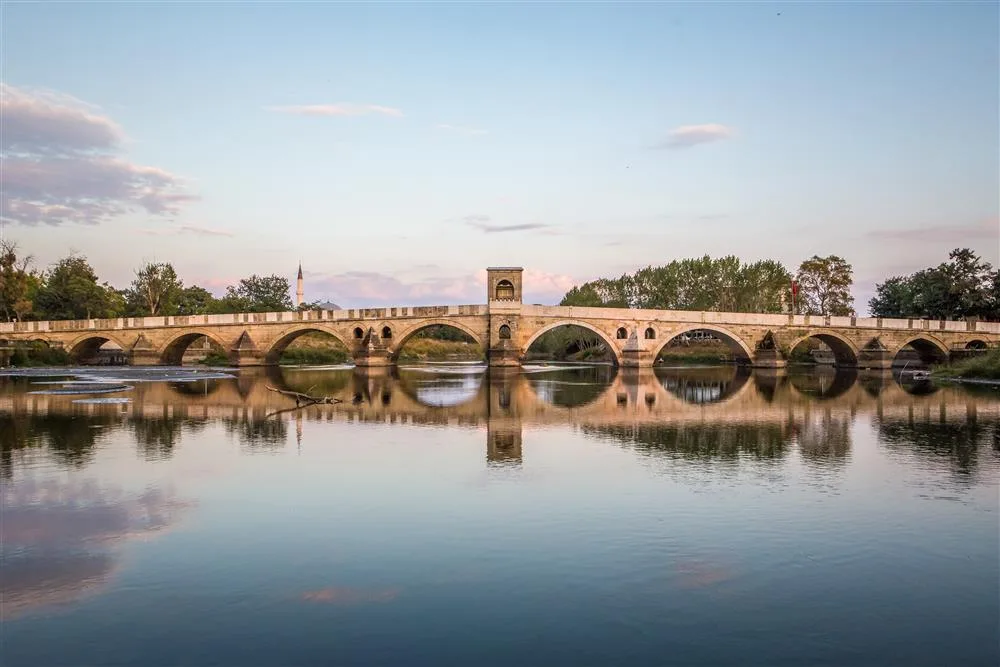
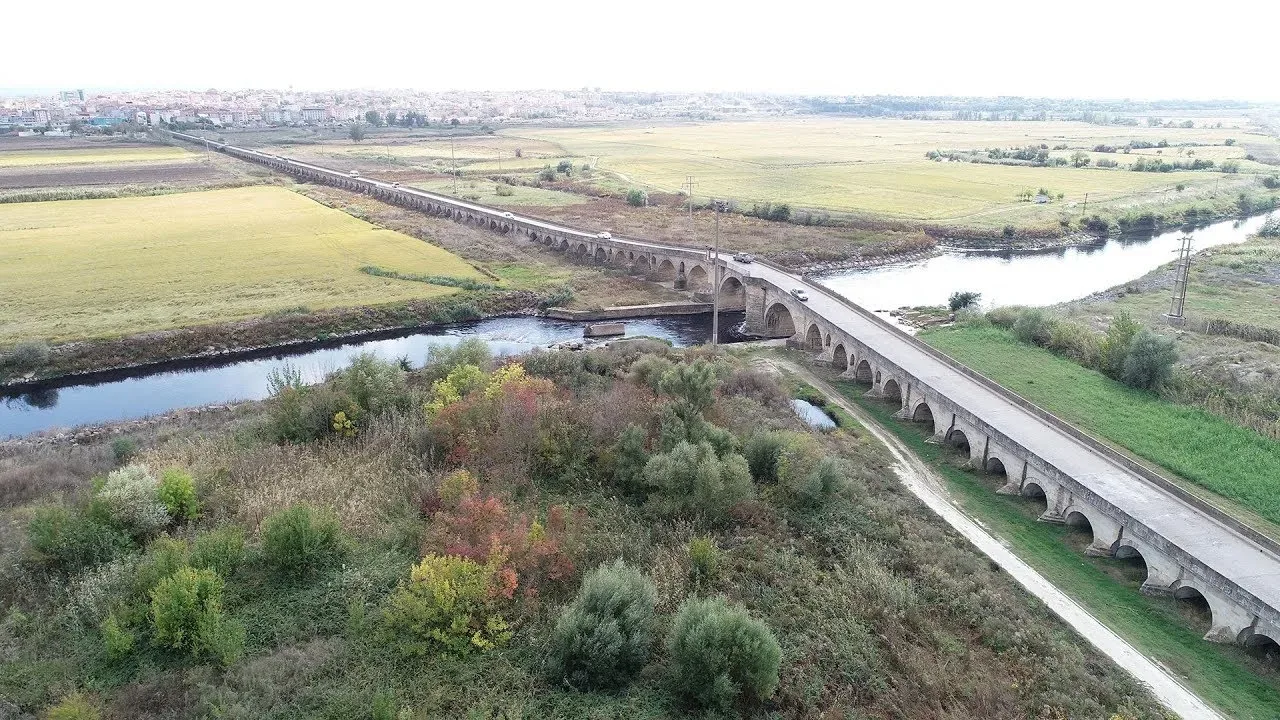
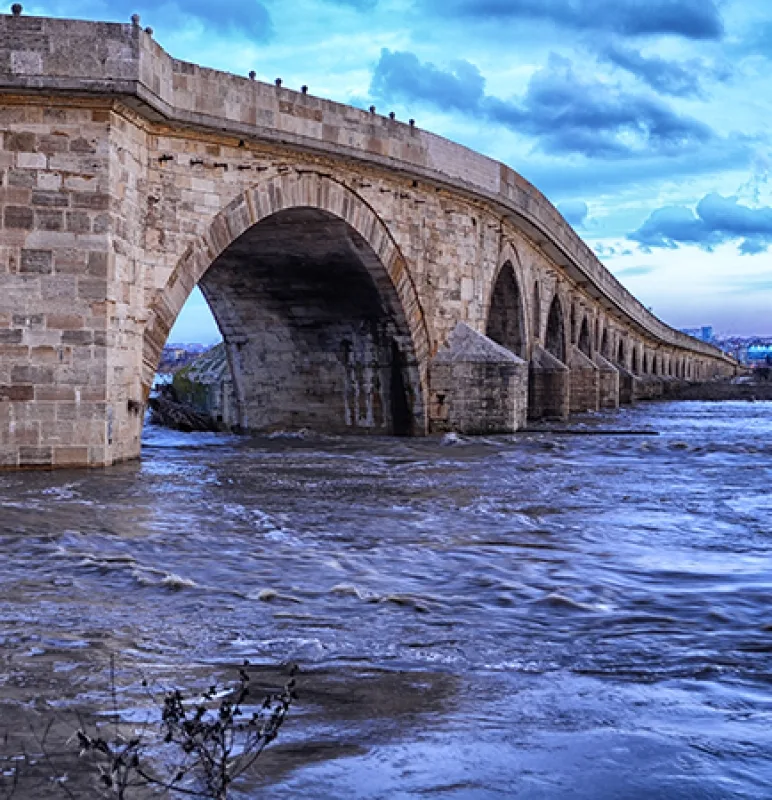
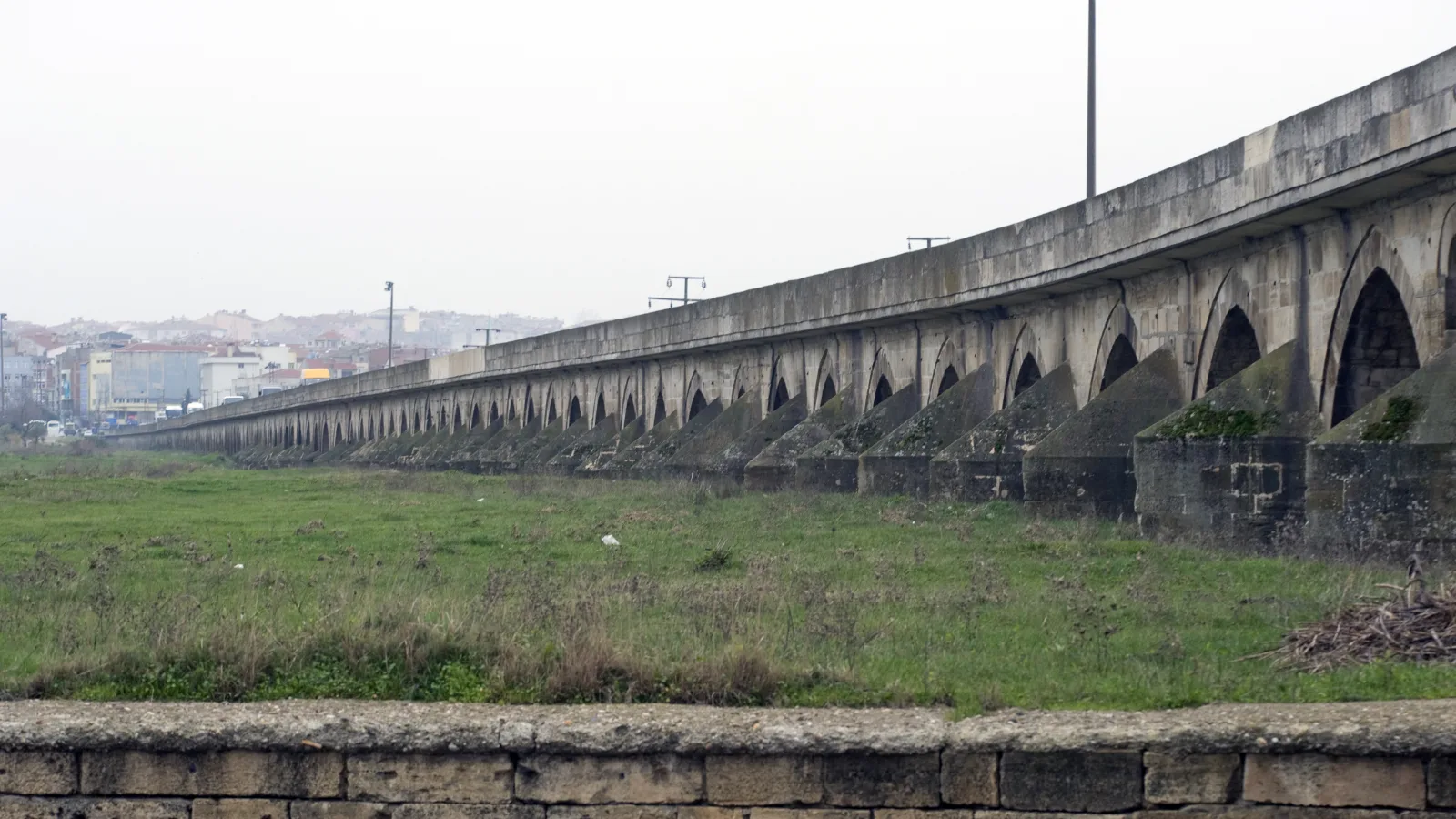
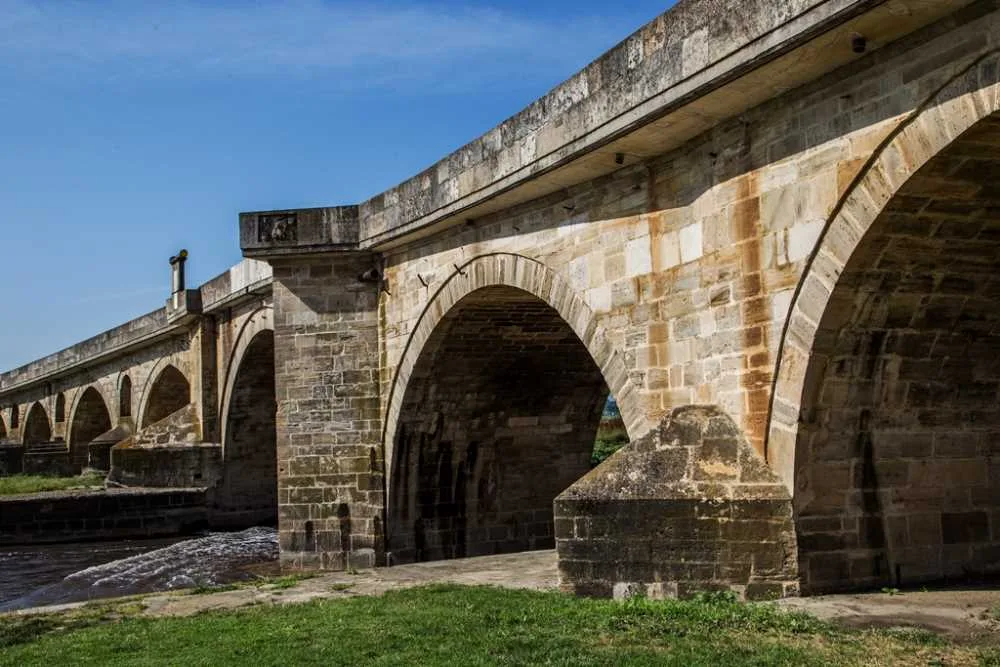
Uzunköprü, Edirne'nin Uzunköprü ilçesinde Ergene Nehri üzerine kurulu, Sultan II. Murad'ın emriyle 1427-1443 yıllarında inşa edilen 1392 metre uzunluğunda 174 kemerli taş köprüdür; ücretsizdir.
Uzunköprü, a structure that owes its name to both the district it is in and its own characteristics. It was commissioned by Sultan Murad II and built by Architect Muslihiddin. Construction began in 1427 and was completed in 1443. It is 1392 meters long with 174 arches; these dimensions make it one of the structures referred to as the world's longest stone bridge. Built over the Ergene River, it became one of the key points on the Ottoman route extending into the Balkans.
Elephant, lion, and bird figures are carved into the stone piers. There is also an inscription pavilion above the arches. Most visitors highlight the bridge's stone craftsmanship and how a structure of this scale has stood for centuries. Another topic frequently mentioned in recent comments is: the bridge has been under restoration for a long time. Some visitors have written that they had difficulty reaching the road and could not find signs. Be sure to confirm the current status before you go, so you don't make a wasted trip.
Due to restoration, close access to the bridge may be restricted; even seeing it from a distance is enough to understand the structure's size. It is approximately 70 km from Edirne city center, and since it is in its own district center, coming here requires a separate day plan.
Guide's Note

When to Visit Uzunköprü?
Spring and autumn months are more suitable for those who want to avoid the heat. During periods when the river's water level drops, the bridge's piers and arches are more clearly visible, which makes a difference for photography. In winter, the region can be cold and windy; it's advisable to dress warmly.
Restoration Status and Access Warning
A point frequently repeated in recent visitor comments is that the bridge has been under restoration for a long time, and some visitors have reported difficulty with close access and finding signs. One comment even mentions that the road leading to the bridge was closed. Since such details can change over time, we recommend checking with Uzunköprü Municipality or local sources for the current status before you set off. You wouldn't want to go there for nothing and have to turn back.
How to Get There?
There are multiple bus services daily from Edirne Bus Terminal to Uzunköprü, and the journey takes approximately 50 minutes. If you are going by your own car, you can follow the Edirne-Uzunköprü highway, which is about 70 km. After arriving at the district center, you can reach the bridge by walking or a short minibus ride.
How Long Does a Visit Take?
20-30 minutes is enough to see the bridge from the outside and take a few photos. There are few other places to visit in Uzunköprü district. Most visitors dedicate a separate day here from their Edirne city center trip or stop by for a short break on their way.
Good Spots for Photos
The elephant, lion, and bird figures carved into the bridge's stone piers are striking when viewed up close. Wide-angle shots taken from the riverbank better showcase the bridge's length. The inscription pavilion is also a detail worth photographing.
History of the Bridge
Construction began in 1427 during the reign of Sultan Murad II and was completed in 1443. The bridge, a work by Architect Muslihiddin, was built with limestone and travertine cut stone blocks. It was constructed to cross the Ergene River during Ottoman campaigns into the Balkans; it also became an important passage connecting Anatolia and the Balkans. Some sources state that 3 of the bridge's arches were buried under soil over time.
This content originates from neresigezilir.com.tr and may not be copied without permission.
Uzunköprü Videos
Uzunköprü videos load when you open this section to keep the page fast.
Show videos
FAQ

Updated: