Hoca Muslihiddin Mosque is a small neighborhood mosque in Bursa's Osmangazi district, built in 1493 during the reign of Çelebi Sultan Mehmet, featuring a square plan and interior dimensions of 7.67 x 8.10 meters.
Hoca Muslihiddin Mosque, one of the small but valuable structures embedded in Bursa's historical fabric, dates back to 1493. Built by a philanthropist named Hoca Muslihiddin during the reign of Çelebi Sultan Mehmet, the mosque eventually became known as Minare Mosque. With interior dimensions of 7.67 x 8.10 meters, the building was constructed with a square plan and a simple architectural approach.
The last congregation area (son cemaat yeri) of the mosque is wider than the main prayer hall; this feature gives the structure a distinct character. It is a highly valuable example for understanding Bursa's historical heritage, even though it remains in the shadow of larger complexes. Its location slightly away from the city's main tourist routes transforms it into a calm and authentic point of visit.
Guide's Note

When to Visit?
Hoca Muslihiddin Mosque can be visited in any season of the year. Bursa's spring and autumn months are very suitable for both weather and walking tours. Since the mosque is an active place of worship, entry to the interior may be restricted during Friday prayer times. Early mornings or late afternoons are good choices to comfortably examine both the interior and exterior of the mosque.
How to Get There?
The mosque is located on İbrahim Paşa Street in the İbrahimpaşa neighborhood of Bursa's Osmangazi district. The most practical transportation option is the Bursa metro; the Demirtaşpaşa / Abdal station is the closest point to the mosque. It is also possible to reach by municipal buses from Bursa city center. For those coming by car, there is limited parking in the vicinity, and it may be necessary to look for parking on nearby streets.
Historical and Architectural Features
Hoca Muslihiddin Mosque was built in 1493 during the reign of Çelebi Sultan Mehmet. Hoca Muslihiddin, who gave his name to the mosque, was a philanthropist of his time. The structure is small but meticulously designed, with interior dimensions of 7.67 x 8.10 meters. One of the striking features of the square-plan mosque is that the last congregation area (son cemaat yeri) is wider than the main prayer hall. This choice provides interesting clues about the architectural understanding of the period.
Over time, the structure also became known as Minare Mosque; both names are used together today. These types of neighborhood mosques, overshadowed by large Ottoman complexes, offer a much more intimate window into the city's daily life and social fabric.
Photo Spots
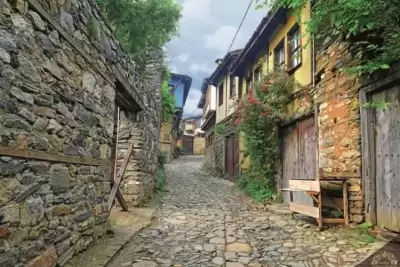
Hoca Muslihiddin Mosque offers a calm environment for photography as it does not have as much visitor traffic as larger mosques. The exterior facade and minaret of the building provide beautiful shots in the morning light. Photos taken within the historical street texture are valuable for reflecting a lesser-known side of Bursa. It is a general rule of courtesy to ask for permission from the staff before photographing the interior.
What to Eat Nearby?
Osmangazi district hosts some of Bursa's most established culinary venues. Around the mosque, there are small restaurants and kebab shops where you can experience traditional Bursa cuisine. As the birthplace of İskender kebab, central Osmangazi is a good starting point to taste this delicacy in its original form. Bursa's famous candied chestnuts and İnegöl meatballs can also be found in nearby patisseries and restaurants.
Suggested Route
You can create a meaningful walking route by combining Hoca Muslihiddin Mosque with other structures in Bursa's historic Osmangazi region. Starting from the Grand Mosque and Covered Bazaar, then visiting Koza Han before heading to this mosque, offers a logical itinerary. You can continue towards Tophane to visit the tombs of Osman Gazi and Orhan Gazi. All these points are within walking distance, making it possible to plan a half-day tour without a car.
Things to Know Before Visiting
The mosque is an active place of worship; you are expected to remove your shoes and dress appropriately when entering. Female visitors are required to cover their heads; it would be practical to carry a scarf with you. Avoiding visiting the interior during prayer times is recommended both out of respect for worshippers and for a more comfortable visiting experience. As the structure is small, wheelchair access may be limited.
This content originates from neresigezilir.com.tr and may not be copied without permission.
FAQ

Updated: