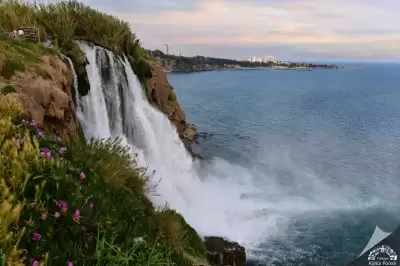
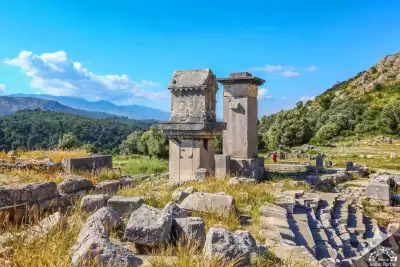
Hamaxia is an ancient Cilician city built on a 600-meter high hill overlooking the sea, near Seki village in Alanya district of Antalya. With its Roman and Byzantine period walls, cisterns, and building remains, it offers an uncrowded area for history enthusiasts.
Hamaxia is an ancient Cilician settlement located on the slopes of Seki (formerly İskele) village, approximately 12 kilometers northwest of Alanya. Built on a steep hill about 600 meters above sea level, the city served an important function in ancient times for both defense and trade due to its strategic location. The name Hamaxia is thought to mean "carriage road" or "place accessible by carriage" in ancient Greek, which points to the city's role in the regional transportation network during antiquity.
The main remains standing on the site today include Roman period city walls, foundation traces of Byzantine structures, and rock-cut cisterns carved to meet water needs. Although Hamaxia has remained in the shadow of more famous ancient cities around Alanya, this adds a special value to it: it is one of the most unique spots in the region for those seeking an uncrowded, unguided, and peaceful exploration experience. Walking along the path leading up the hill through the Mediterranean maquis vegetation and watching the view extending from the walls at the summit to the Alanya plain makes the visit meaningful in itself.
Guide's Note

Best Time to Visit
The best time to visit Hamaxia is between October and April. The path leading up the hill becomes quite difficult in the summer heat, which can reach 35–40 degrees Celsius; moreover, there is almost no shade. In spring, the slopes turn green, while in autumn, the weather cools down, making the walk enjoyable. In winter months, rainfall may occur in the region, and the path can become slippery; sturdy hiking shoes are essential during this period. Going early in the morning or late in the afternoon will both protect you from the heat and allow the light to fall beautifully on the ruins.
How to Get to Hamaxia?
The most practical way to reach Hamaxia is by rental car or taxi. From Alanya city center, you need to follow the D400 highway west and turn off towards Seki (İskele) village; the distance is approximately 12 kilometers. After entering the village by car, you need to walk the path climbing the hill to reach the ancient city; this walk takes 30–50 minutes depending on your fitness level. Reaching Seki village from Alanya by minibus or dolmuş is theoretically possible, but schedules are irregular; finding a vehicle for the return journey can be difficult. I recommend refueling and stocking up on water in the village or nearby before your visit.
How Much Time Should You Allocate?
Hamaxia can easily fit into a half-day trip program. A 4–5 hour program, including departure from Alanya center, walking up the hill, exploring the ruins, and returning, would be sufficient. It is possible to combine the site with Alanya Castle or the nearby Syedra Ancient City on the same day to see the region's ancient heritage on a single route. Those who enjoy photography or prefer a slow-paced walk might want to allocate a little more time.
Suggested Itinerary
For a one-day ancient city itinerary based in Alanya, you can try the following order: Depart early in the morning for Hamaxia, climb the hill, explore the ruins, and enjoy the view. At lunchtime, eat in Seki village or at small restaurants along the way back to Alanya. If you have energy in the afternoon, you can visit Alanya Castle or Damlataş Cave. This route covers both the lesser-known and iconic points of the region in a balanced way.
Photo Spots
The most striking photo opportunities in Hamaxia are obtained from or right next to the city walls. From here, the Alanya plain, the Mediterranean coastline, and the distant Alanya Peninsula can all be captured in the same frame. Morning light highlights the stone texture of the ruins, while late afternoon golden hour light adds a warm tone to the landscape. The openings of the rock cisterns can also be good subjects for interesting detail photos. A wide-angle lens or phone panorama mode is very useful for the hill view.
Things to Consider Before Visiting
Hamaxia is not an archaeological site with developed infrastructure; therefore, do not expect facilities such as information boards, toilets, or cafeterias. Don't forget to bring plenty of water, snacks, and sunscreen. Since the path is sometimes rocky and steep, prefer sports shoes or hiking boots. Climbing on the ruins or removing stones is both dangerous and forbidden. Before setting off, it is advisable to call the Alanya Museum or local guiding companies to learn about current access conditions.
What to Eat Nearby?
Dining options immediately near Hamaxia are extremely limited. A small village cafe might be found in Seki village; however, it is much safer to bring ready-made food from Alanya center rather than relying on this. When you return to Alanya, many places offering fresh seafood, pide, and kebabs await you in the city's historical bazaar area. Region-specific Alanya bananas and citrus fruits can also be obtained from local vendors on the way back.
Where to Stay?
There are no accommodation facilities around Hamaxia. Choosing Alanya as your base is the most logical option; the city has boutique hotels, guesthouses, and large holiday resorts suitable for every budget. If you choose accommodation close to Alanya center, you can easily reach Hamaxia, as well as Alanya Castle, Red Tower, and the beaches. I recommend making reservations in advance, as it can be difficult to find availability during the summer season.
General Information About Hamaxia
Hamaxia is a city located in the ancient Cilicia Tracheia (Rough Cilicia) region that has not yet been subjected to systematic archaeological excavation. Its name is thought to be derived from the Greek word hamaxa, meaning "carriage road." Limited written and material evidence from the city indicates that the settlement was active particularly during the Roman and Byzantine periods. The city walls standing today provide insight into the city's defense strategy, while the rock-cut cisterns reveal how life was sustained in this high location where water was scarce. Hamaxia, along with lesser-known ancient cities such as Syedra, Ioropolis, and Laertes around Alanya, forms part of the region's archaeologically unexamined heritage.
This content originates from neresigezilir.com.tr and may not be copied without permission.
Hamaxia Ancient City Videos
Hamaxia Ancient City videos load when you open this section to keep the page fast.
Show videos
FAQ

Updated: