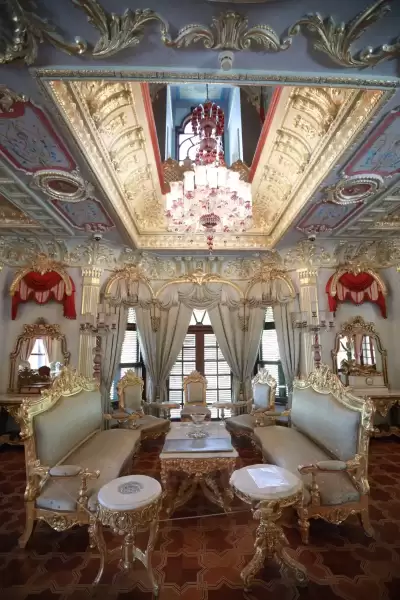
Beypazarı Turkish Bath Museum is Turkey's first bath museum, located in the Beypazarı district of Ankara. Founded by Assoc. Prof. Dr. Sema Demir, the museum authentically recreates classic bath sections such as the hot room (sıcaklık), warm room (ılıklık), private bathing rooms (halvet), and furnace room (külhan). It presents the historical development, tools, and social function of bath culture.
Located in the Beypazarı district of Ankara, the Turkish Bath Museum is the first museum in our country dedicated to bath culture. This special museum, brought to life under the leadership of Assoc. Prof. Dr. Sema Demir, showcases the bath tradition, an integral part of Turkish social life for centuries, in both its architectural and cultural dimensions. Classic bath sections such as the hot room (sıcaklık), warm room (ılıklık), private bathing rooms (halvet), furnace room (külhan), changing room (şırvan), water reservoir (hazne), and shaving room (tıraşlık) have been spatially re-envisioned.
Throughout the museum, visitors can learn in detail about the historical development of baths, the tools and equipment used, bath ceremonies, and the social function of these spaces. With its proximity to Beypazarı's historical bazaar, Ottoman mansions, and other museums, the Turkish Bath Museum becomes an indispensable part of your day in the district.
Guide's Note

Beypazarı Turkish Bath Museum is a small-scale museum established within an actual bath structure, focusing on Turkish bath and cleanliness culture. The exhibition area showcases the architectural features of baths, the items used, and ceremonial practices such as henna baths through reenactments. The museum is noted as the first and only museum in Turkey dedicated to this subject.
The vast majority of visitors rate their experiences positively; however, the focus of this satisfaction is often the narration of the guide rather than the physical content of the museum itself. Many visitors state that the guide conveys the history and culture of baths with a sincere and knowledgeable style, making the visit exceed expectations. The general atmosphere and aesthetics of the venue are also appreciated.
While it is a worthwhile stop if you are visiting Beypazarı, you might want to consider the following points before your visit:
- Museum size: The area is quite small; some visitors mention it can be explored quickly. It is recommended not to go with expectations of a large exhibition space.
- Entrance fee: In multiple comments, the entrance fee is considered high relative to the size of the venue. It is recommended to confirm the current price before your visit.
- Foreign language support: At least one visitor questions whether English guidance or informational materials are available for foreign tourists; it might be helpful to inquire about this in advance.
Turkey's First Bath Museum
Beypazarı Turkish Bath Museum is a unique initiative born from the idea of documenting and preserving bath culture. Founded by Assoc. Prof. Dr. Sema Demir, it is the first institution in Turkey dedicated to this field. The museum doesn't just display objects; classic bath sections such as the hot room (sıcaklık), warm room (ılıklık), private bathing rooms (halvet), furnace room (külhan), changing room (şırvan), water reservoir (hazne), and shaving room (tıraşlık) have been spatially recreated. This allows visitors to concretely understand how a bath operated, what ceremonies it hosted, and its place in Turkish social life.
Since the Ottoman period, bath culture has gone far beyond being merely a place for cleanliness. It served as a social hub for wedding preparations, socializing, and rituals. The museum conveys this deep-rooted tradition through visual and spatial narration.
When to Visit?
The museum welcomes visitors every day throughout the year. The most enjoyable times to visit Beypazarı are spring (April–May) and autumn (September–October); during these seasons, the weather is very suitable for both walking and exploring the historical bazaar. In summer months, visitor density from around Ankara can increase; a quieter museum experience can be had on weekday mornings.
When planned together with Beypazarı's other museums and historical sites, you can easily explore the entire district in a single day. If you wish to confirm opening hours before coming to the museum, you can call directly: 0312 763 22 23.
How to Get to Beypazarı?
The most common option to reach Beypazarı from Ankara city center is by bus. There are regular services to Beypazarı from various stops in Ankara; the journey takes approximately 1.5–2 hours. Those coming by private car can follow the D-200 highway; the signs along the way are sufficiently guiding.
Once you reach the district center, the Turkish Bath Museum, the historical bazaar, and other museums are within walking distance of each other. Instead of driving in Beypazarı's narrow, historical streets, exploring on foot is both more practical and much more enjoyable.
A Day Trip Itinerary in Beypazarı
For those who want to explore Beypazarı in a single day, visiting the museum in the morning makes for a good starting point. After the Turkish Bath Museum, you can head to the historical bazaar to visit the Ottoman-era mansions and the Kerosene Lamp Museum. The Kerosene Lamp Museum exhibits over 1400 kerosene lamps donated by a single person; this is a remarkable collection in itself.
For lunch, restaurants in the bazaar offering local delicacies are a good choice. Dishes and desserts made from Beypazarı carrots are an important part of the district's gastronomic identity. In the afternoon, you can also visit the 16th-century Rüstem Pasha Bath and the Sultan Alaaddin Mosque.
What to Eat in Beypazarı?
Beypazarı is a district known for its carrots in Turkey. In local cuisine, carrots appear in jams, Turkish delights, and various dishes. It is possible to taste and buy these products in the shops lined along the historical bazaar. Be sure to try Beypazarı simits (sesame bagels); they are quite different from city simits with their unique size and texture.
Small restaurants and coffee houses in the bazaar serve homemade dishes and local desserts. It is especially easy to find freshly cooked meals during lunchtime.
Photo Opportunities
The recreated bath sections, the navel stone (gobek tasi), and historical objects within the Turkish Bath Museum offer interesting compositions for photography. The museum's unique architecture and play of light also contain details worth framing.
Outside the museum, Beypazarı's historical bazaar, Ottoman mansions with bay windows, and narrow stone streets are among the places greatly loved by photography enthusiasts. Photos taken in the early morning or the soft light of the afternoon yield the best results.
Things to Know Before Visiting
An entrance fee is charged for the museum; Müzekart (Museum Pass) is not valid at this venue. We recommend calling the museum in advance to inquire about the current entrance fee. The museum is stated to be accessible for disabled visitors. Towels are also sold inside.
Beypazarı's historical streets are narrow and stony; choosing comfortable walking shoes will make your visit easier. On weekend visits, the number of visitors to the district can increase significantly, and finding parking may become difficult.
This content originates from neresigezilir.com.tr and may not be copied without permission.
Beypazarı Turkish Bath Museum Videos
Beypazarı Turkish Bath Museum videos load when you open this section to keep the page fast.
Show videos
FAQ

Updated: