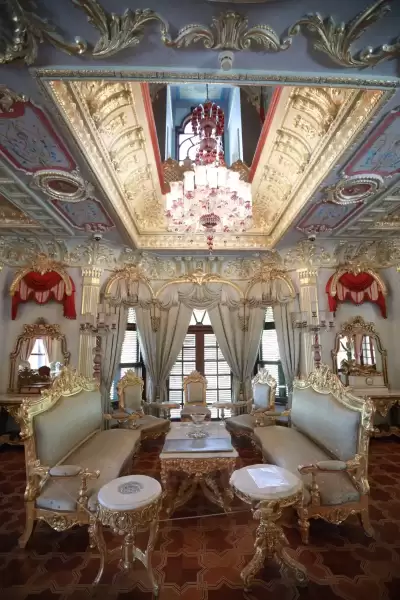
Beypazarı Anatolian Open Air Museum is an applied open-air museum in Beypazarı, Ankara, that has been vividly presenting Anatolian traditional architecture, handicrafts, and living culture since 2007.
Beypazarı Anatolian Open Air Museum opened its doors in 2007 as a social enterprise project brought to life by Dr. Sema Demir and her husband Harun Demir. Supported by the Ankara Development Agency, this project holds the title of Turkey's first applied open-air museum. On the vast land in Macun Village, many structures stand together, from houses built with adobe, Anatolia's oldest building material, to a 17th-century Ankara house, and various architectural examples extending from Central Anatolia to the Mediterranean Region.
The museum is not just an exhibition space. Through handicraft workshops, venues offering local delicacies, and traditional agricultural practices, visitors directly experience Anatolian culture. Accommodation is also available on the campus; thus, it is possible to go beyond a single-day visit and feel the village atmosphere more deeply. Combined with the historical texture of Beypazarı, this museum becomes one of the most important parts of a trip to the region.
Guide's Note

Beypazarı Anatolian Open Air Museum is a cultural and accommodation venue located in a natural setting, where houses from different regions of Anatolia are built and presented together. Some visitors state that the regional architectural diversity, extending from the Black Sea to the Mediterranean, is meticulously reflected, and that the fresh air and natural environment add extra value. The comfort of the accommodation rooms and the quality of the food are also among the positive points reported.
Especially families with children emphasize that children can distance themselves from technology and have fun, as well as find cultural learning opportunities, thanks to traditional games, animal feeding, and various activities. However, some visitors question whether the venue offers a unique experience, pointing out its similarity to the historical houses in Beypazarı center.
Points to consider:- Entrance fees (student 150 TL, full 200 TL) are considered high by multiple visitors; it is recommended to evaluate this beforehand, also considering the remote location of the venue.
- There are complaints that the number of staff is insufficient for group visits and that children wait under the sun for a long time for activities.
- It is reported that the meal served as village breakfast does not meet expectations and its content is limited.
- An experience has been shared where visitors were not allowed in early despite the closing time stated on Google; it is advisable to verify current operating hours before going.
- One visitor states that some of the exhibited elements (wish tree, evil eye bead) do not represent Anatolian culture.
What is the Living Village?
The Living Village, as its name suggests, is much more than a static exhibition space. Architectural examples gathered from different geographies of Anatolia have been rebuilt here and opened to visitors. The adobe house, the 17th-century Ankara house, and structures representing the Mediterranean region each reflect the living conditions and aesthetic understanding of their period.
The real difference of the museum is that the exhibited culture is truly kept alive. Masters continue to work in handicraft workshops, and local recipes come to life in the kitchen. This area is a very valuable stop for those who want to learn about Anatolian culture not from books but by experiencing it directly.
Best Time to Visit
Since the museum is outdoors, the choice of season directly affects the quality of the visit. The spring period, from April to June, offers the most enjoyable time with its mild weather and the landscape covered in green. September and October are similarly suitable for a comfortable visit.
In July and August, the area around Ankara can be quite hot. During these months, you might prefer to go early in the morning or in the late afternoon. It would be beneficial to inquire in advance whether the museum is open in winter and about its event program.
How to Get There?
Regular bus services operate from Ankara to Beypazarı. You can reach Beypazarı district center in approximately 1.5–2 hours by buses departing from AŞTİ or various points in Ankara. From there, the 8–10 km distance to the museum needs to be covered by taxi or rental car; public transport connections are very limited at this point.
For those coming by private car, the route is clear: simply head towards Macun Village via Saraybosna Street. There is a parking area on the premises. Agencies organizing day trips from Ankara also include this route in their programs.
What to Eat, Where to Eat?
Local food experiences are offered within the Living Village complex. Beypazarı cuisine is rich enough to be a reason for a trip on its own: carrot halva, casserole dishes, and local pastries are among the highlights.
In addition to the venues within the museum, there are many restaurants and cafes around the historical bazaar in Beypazarı district center. Taking a lunch break on your way back to the district will allow you to both satisfy your hunger and explore the historical bazaar.
Where to Stay?
The Living Village also offers museum hotel services. This accommodation option, designed with traditional Anatolian architecture, allows you to experience the museum not only during the day but also at night. Staying here for a night is a very logical choice for those who want to quietly explore the premises before the visitor crowds arrive in the morning.
There are also various guesthouse and hotel options in Beypazarı district center. While it is possible to come from Ankara for a day trip, at least one night's stay is recommended for those who want to better experience the atmosphere of the region.
Photo Spots
The Living Village is an extremely fruitful area for photography enthusiasts. Adobe walls, wooden doors, stone-paved courtyards, and traditional house interiors offer interesting shots at every corner. Photos taken in the morning light turn out particularly strong; visitor density is also lower during these hours.
Don't forget to ask for permission to photograph the masters working in the handicraft workshops. The surrounding natural area also provides a beautiful backdrop for portrait and landscape photography.
Suggested Itinerary: A Full Day in Beypazarı
You can start early from Ankara and first visit the Living Village. Allocate 2–3 hours to explore the premises and watch the workshops. Around noon, head to Beypazarı district center and have a local meal in the historical bazaar.
In the afternoon, you can explore Beypazarı's restored Ottoman-era mansions and its historical bazaar. Returning to Ankara in the evening or staying overnight in the region and visiting the museum again in quieter hours the next morning are also good options.
Things to Consider Before Visiting
Since the museum is outdoors, choose comfortable walking shoes. The ground can be stony or earthy in some places. In summer, sunscreen and water should be with you.
As visiting hours and event programs can vary by season, it is recommended to get up-to-date information by calling the museum or checking their social media accounts before you go. It may be beneficial to make a reservation in advance for group visits.
This content originates from neresigezilir.com.tr and may not be copied without permission.
FAQ
Beypazarı Anatolian Open Air Museum – Living Village videos load when you open this section to keep the page fast.

Updated: