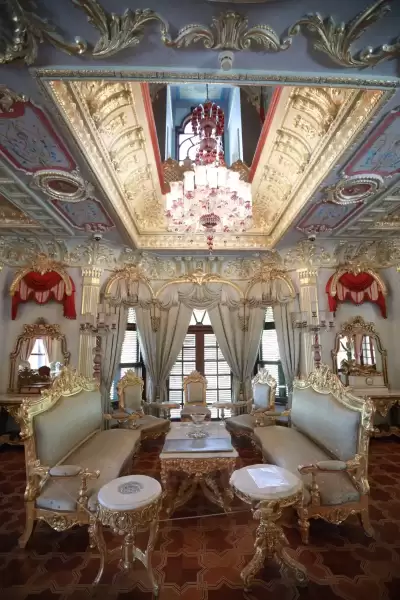
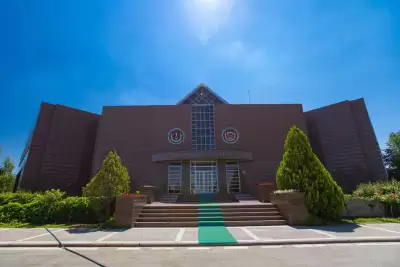
Beypazarı History and Culture Museum is located in a three-story Ottoman mansion built in 1850 in the Beypazarı district of Ankara, exhibiting artifacts from the Roman, Byzantine, and Ottoman periods, as well as ethnographic collections.
Beypazarı History and Culture Museum stands right in the heart of the historical fabric of Beypazarı district, approximately 100 kilometers from Ankara. The three-story mansion, built in 1850 and still preserving its classical Ottoman architectural features, was converted into an ethnographic museum and opened to visitors in 1996-1997. The building is considered one of the best-preserved examples of late Ottoman civil architecture in the region.
The collection exhibits ethnographic artifacts reflecting the cultural history of Beypazarı and its surroundings, along with various historical objects from the Roman, Byzantine, and Ottoman periods. The museum building itself is an exhibit; with its wooden craftsmanship, room arrangements, and facade details, it gives visitors a concrete idea of the lifestyle of the era. Transferred to Beypazarı Municipality in 2014, the building has been hosting visitors under the municipality's management ever since.
Guide's Note

Beypazarı History and Culture Museum is established in a historical mansion with local architecture, offering a space that presents traditional lifestyle, handicrafts, and the region's cultural heritage. The exhibition concept largely centers around the stages of a traditional wedding week; this allows visitors to observe many details of daily life. Life scenes created with wax figures, historical remains, and fossils found in the region are also among the notable pieces of the collection.
Visitors particularly appreciate the knowledgeable and friendly approach of the guides. The museum is of a size that can be comfortably explored in about half an hour; the entrance fee is 20 TL for a full ticket and 10 TL for a student ticket. For those wishing to visit Beypazarı, it is recommended to include this place along with the City History Museum in their itinerary.
However, some visitors note that they did not observe the same level of care at every point of the exhibition. It may be useful to pay attention to the following points beforehand:
- It is reported that portable ladders and cleaning materials are visible in the exhibition areas within the museum, and some information panels are printed on photocopy paper.
- It can be difficult to explore the venue comfortably if you enter at the same time as tour groups; it is recommended to plan your visit outside of crowded hours if possible.
- A small number of comments state that the place generally leaves an impression of being "just passing through"; it might be appropriate to shape your expectations accordingly.
General Information About the Museum
Beypazarı History and Culture Museum is one of the most frequent stops for day cultural tours departing from Ankara. The mansion housing the museum was built in 1850; with its three-story structure and wooden details, it is considered one of the best-preserved examples of late Ottoman civil architecture in the region. The building was converted into a museum in 1996-1997 and has been managed by Beypazarı Municipality since 2014.
In terms of exhibition content, the museum does not focus on a single period or theme. Historical artifacts from the Roman, Byzantine, and Ottoman periods are brought together with ethnographic collections of the Beypazarı region under the same roof. This multi-layered structure transforms the museum from a mere history lesson into a place that reveals the long-standing cultural continuity of the region.
When Should You Visit?
The museum is closed on Mondays. During the winter period, it is open to visitors between 09:00 and 17:00; although closing times are reported to extend in summer, it's a good habit to confirm the current hours before you go. In the early morning, especially on weekdays, the museum is quite calm; these hours are much more suitable for those who want to take photos and explore the venue comfortably.
The most enjoyable period to visit Beypazarı is between April–June and September–October. The weather is suitable for both walking and exploring the historical streets, and the crowds are relatively small. In mid-summer, the district can get quite crowded on weekends; even if there's no waiting to enter the museum, the bazaar and restaurants can be busy.
How to Get to Beypazarı?
It is possible to reach Beypazarı from Ankara by public transport. Buses departing from AŞTİ or some district stops run regularly; the journey takes approximately 1.5–2 hours. By private car, following the Ankara–Beypazarı highway, the district is reached after about 100 kilometers, and this time can decrease to 1–1.5 hours depending on road conditions.
Once you enter Beypazarı town center, the museum is within walking distance amidst the historical mansion and bazaar fabric. For those coming by car, it is possible to find parking in the town center, but it can be busy on weekends. Since places like Alaaddin Street, Suluhan Caravanserai, and historical houses can also be visited on foot after the museum, it will be practical to leave your car near the center.
One-Day Itinerary Suggestion in Beypazarı
Beypazarı easily fits into a one-day itinerary centered around the museum. Visit the museum early in the morning; then explore Alaaddin Street and the restored Ottoman mansions within walking distance. For lunch, you can choose one of the restaurants offering the district's famous dried vegetables, carrot delight, and local delicacies.
In the afternoon, stroll through Suluhan Caravanserai and the historical bazaar; silver jewelry workshops and shops selling local products offer plenty of options for those who want to shop. At the end of the day, you can make a short stop at İnözü Valley; the valley allows you to end the day on a beautiful note with both its natural beauty and photographic potential.
What to Eat in Beypazarı?
Beypazarı is one of the most unique districts around Ankara in terms of gastronomy. Beypazarı carrot and carrot delight have become the symbol of the district; it is possible to find this product in every corner of the city. Dried vegetables, especially dried eggplant and pepper, are among the basic ingredients of local cuisine.
In the small restaurants around the historical bazaar, tandoor kebab, meat bread, and local soups are served. As for desserts, in addition to carrot delight, tahini halva and walnut sausage are also frequently encountered options. Taking a tea break in the bazaar after visiting the museum is a great opportunity to both rest and chat with local artisans.
Photo Spots
The museum itself offers a strong frame for facade photos taken from the outside. The wooden bay windows, window details, and stone ground texture of the 1850 mansion, combined with natural light, yield impressive results. In the morning hours, the sun angle illuminates the front facade of the building well.
Inside, the Ottoman-era room arrangements and exhibited ethnographic objects offer rich content for close-up photography. Alaaddin Street and the historical mansion facades around the museum are also among the most photographed corners of Beypazarı; if you combine this street with your museum visit, you can create a strong photo album both historically and architecturally.
Things to Know Before Visiting
The museum is closed on Mondays; if you plan to go to Beypazarı on the weekend, there is no problem with this, but those planning a weekday visit need to choose the day carefully. Since opening and closing hours can vary by season, especially in winter, it would be wise to get information from the official channels of Beypazarı Municipality before going.
Since the building is three-story and historical, wheelchair access and stroller use are difficult. Stairs can be narrow and steep; visitors with such limitations are advised to inquire beforehand. Photography is generally allowed, but it's a good habit to ask about flash use and restrictions in special exhibition areas at the museum entrance.
This content originates from neresigezilir.com.tr and may not be copied without permission.
FAQ

Updated: