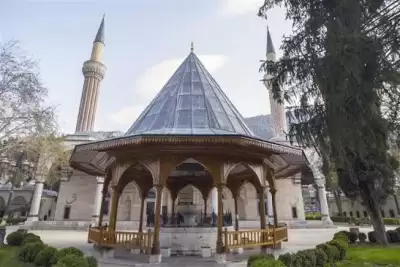
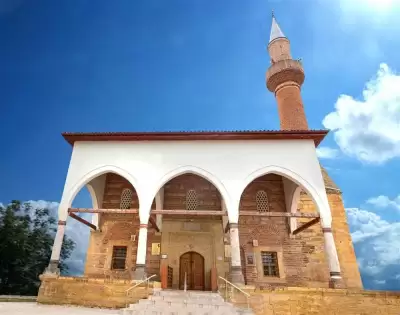
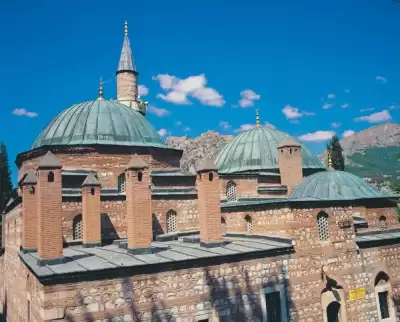
Şirvanlı Mosque, located on Atatürk Street in Amasya, is a 19th-century Ottoman-era mosque built by people who migrated from Azerbaijan with their own means, and it houses the tomb of Mîr Hamza Nigârî.
While the vast majority of historical mosques in Amasya were built by statesmen or the palace entourage, Şirvanlı Mosque stands apart from this tradition as one of the rare structures created by the will and means of the people themselves. Built by immigrants who settled in Amasya from the Karabakh and Shirvan regions of Azerbaijan, the mosque was brought to life under the leadership of Sheikh Hacı Mahmut Efendi, who was also from Karabakh. In this respect, the structure is not merely an architectural work; it also serves as a living document reflecting the shared memory and spirit of solidarity of the two communities.
The mosque, notable for its inverted T-plan structure and square-plan prayer hall, showcases a simple yet impressive Ottoman-era architecture with its deep niche-shaped entrance gate and interior decorations. In the eastern corner of the single-domed and single-minaret structure is the tomb of Mîr Hamza Nigârî, one of the important mystics and poets of the 19th century. Next to this square-plan, single-domed tomb, built in 1886, there is also a historical graveyard surrounded by an enclosure wall made of cut stones. With its location on Atatürk Street in the city center, this small complex, easily accessible to those visiting Amasya, continues to be a silent but powerful symbol of Turkish-Azerbaijani brotherhood.
Guide's Note

Şirvanlı Mosque attracts visitors as a small-scale structure that harmonizes with Amasya's historical fabric. It is stated that the mosque, which was built with support from the Shirvan region of Azerbaijan in the 1800s, also contains tombs. Visitors generally speak positively about its atmosphere and historical past.
Positive impressions regarding maintenance have also been shared; it is emphasized in multiple comments that the garden and restroom areas are kept clean and tidy.
- Location error: A few visitors have reported that the location on Google Maps directs them to the wrong place. It is recommended to search for "Şirvan Mosque" or verify the location before visiting.
The People's Mosque: The Story of Şirvanlı
In Amasya, building mosques has historically always been the work of those in power; Ottoman princes, viziers, and state dignitaries shaped the city's silhouette in this way. Şirvanlı Mosque, however, stands in a different place at this very point. Those who built the structure were neither a sultan nor a vizier; they were ordinary people who had migrated to Amasya from the Karabakh and Shirvan regions of Azerbaijan. The leading figure among them was Sheikh Hacı Mahmut Efendi, who was also from Karabakh.
The mosque built by this community eventually transcended being merely a place of worship; it transformed into a structure symbolizing the common identity and brotherhood of the Turkish and Azerbaijani communities. The fact that it is also known as the Azeris Mosque among the public stems from this deep-rooted connection.
When to Visit?
While Şirvanlı Mosque is open to visitors throughout the year, spring and autumn are the most pleasant times to visit Amasya. During these seasons, the weather is neither too hot nor too cold; exploring the city's historical fabric on foot becomes much more enjoyable.
In terms of visiting hours, early mornings or late afternoons can be preferred. During these hours, the interior of the mosque is quieter, and you will have the opportunity to comfortably examine the tomb and the graveyard. Remember that during busy prayer times, such as Friday prayers, visitors should be careful and respectful when entering.
How to Get There?
Şirvanlı Mosque is located in the Amasya city center on Atatürk Street, directly opposite the Provincial Directorate of Culture and Tourism. With this location, it is easily found on the city's main artery, within walking distance.
It is possible to reach the city center from Amasya bus station by dolmuş or taxi. Since it is in a central location, it will naturally be included in your itinerary if you are exploring Amasya's historical area on foot. Those arriving by car can look for parking on the street or in nearby side streets.
Best Spots for Photography
Although Şirvanlı Mosque is not a flamboyant structure, it offers a few beautiful frames for photography enthusiasts. The deep niche-shaped entrance gate, especially with the light falling on it at midday, creates interesting shadow plays and forms an ideal motif for close-up shots.
The Tomb of Mîr Hamza Nigârî in the eastern corner of the mosque and the surrounding historical graveyard, with its old gravestones, offer a unique atmosphere. Wide-angle photos taken in soft light during the morning hours are very suitable for reflecting the simple architecture of the structure and its surrounding historical fabric together. A perspective photo taken from in front of the mosque along Atatürk Street can also create a beautiful composition with the city's historical silhouette.
Things to Know Before Visiting
Şirvanlı Mosque is an active place of worship; therefore, adhering to some basic rules during your visit is important for both respect and practical necessity. You will need to remove your shoes when entering; female visitors are expected to cover their heads. During prayer times, it is important to be quiet and careful when taking photos so as not to disturb the congregation.
As the structure is a historical artifact from the Ottoman period, there may be decorations and surfaces that should not be touched inside. When visiting the graveyard, care should also be taken with the gravestones and landscaping. Knowing in advance that entry to the mosque is free and that there are no guided services will help you plan your visit.
Amasya Historical Route Suggestion
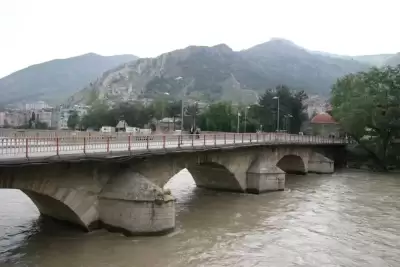
Şirvanlı Mosque is located in Amasya's historical city center, so it can easily be included in a daily walking route. A route starting on Atatürk Street can begin with Şirvanlı Mosque, continue along the Yeşilırmak riverbank to Amasya's iconic Yalıboyu houses, then extend to the Amasya Museum and the Royal Rock Tombs.
In the afternoon, you can complete the route with other historical mosques such as Bayezid Pasha Mosque and Burmalı Minare. Since Amasya's center is quite compact, this entire route can be completed at a relaxed pace in half to a full day. Taking a break at restaurants and cafes along the Yeşilırmak in the evening makes for a beautiful end to the route.
What to Eat Nearby?
The location of Şirvanlı Mosque on Atatürk Street is extremely convenient for exploring Amasya's local delicacies after your visit. You can experience Amasya's regional cuisine at many restaurants and cafes lined along the street and by the Yeşilırmak riverbank.
Among Amasya's unique flavors, çömlek kebabı (pottery kebab) and local pastries stand out. The city's famous Amasya apple is sold fresh or dried at many points. Cafes by the river are also a good choice for drinking tea with a view of the Yeşilırmak and soaking in the city's historical atmosphere.
This content originates from neresigezilir.com.tr and may not be copied without permission.
Şirvanlı Mosque (Azeris Mosque) — Amasya Videos
Şirvanlı Mosque (Azeris Mosque) — Amasya videos load when you open this section to keep the page fast.
Show videos
FAQ
Updated: