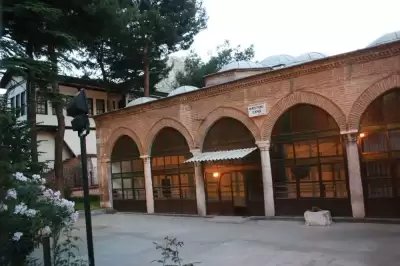
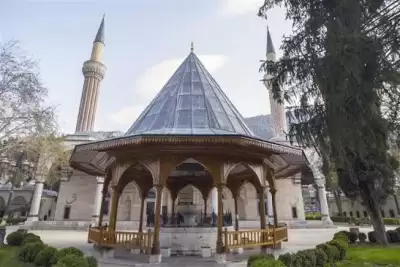
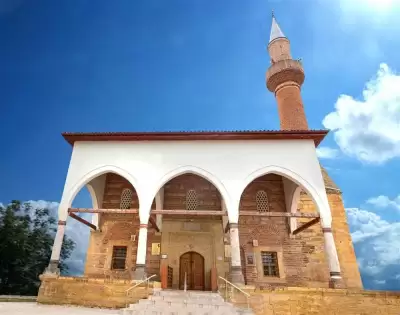
Mehmet Pasha Mosque is an Ottoman-era mosque located in Amasya's Saray Quarter, built in 1486 by Mehmet Pasha, the tutor of Şehzade Ahmet, son of Bayezid II. With its inverted T-plan architecture and original wooden door carvings, it is one of the valuable religious structures of its period; entry is free.
Among the structures imbued with Amasya's historical fabric, Mehmet Pasha Mosque holds a special place with both its architectural features and historical background. Built in 1486, the mosque is the work of Mehmet Pasha, the tutor of Şehzade Ahmet, one of the powerful statesmen of the Bayezid II period. Located in the Saray Quarter in the city center, the structure is considered one of the finest examples of the inverted T-plan mosque tradition frequently encountered in Amasya.
Guide's Note

Mehmet Pasha Mosque attracts visitors as part of Amasya's historical fabric along the Yeşilırmak River. The most prominent element highlighted in reviews is the mosque's architectural character: its square plan, stone and brickwork, and simple yet balanced classical Ottoman lines define the space as an unpretentious, original structure. The marble minbar and the interior decorations are particularly noteworthy details.
Visitors positively emphasize the cleanliness and order of the mosque; the municipality's efforts in this regard are also appreciated. The structure's location by the Yeşilırmak, when considered together with surrounding historical buildings such as inns, Turkish baths, and madrasahs, gives the impression that the region offers a holistic cultural heritage area.
While the vast majority of comments are positive, one comment is not directly related to the venue but to a tour experience and does not contain a concrete observation about the mosque. There is no recurring negative feedback in the existing comments; however, it should be noted that the number of comments is limited.
About Mehmet Pasha Mosque
Amasya has gone down in history as a school city where Ottoman princes were raised. Mehmet Pasha Mosque, one of the structures imbued in the stones and soil of this city, was built in 1486 by Mehmet Pasha, the tutor of Şehzade Ahmet, son of Bayezid II. Tutors (Lalas) were statesmen in the Ottoman palace tradition who were responsible for the education of the princes and held extremely influential positions; therefore, this structure can be read not only as a place of worship but also as a reflection of the political and social power of the period.
The mosque is one of the most mature examples of the inverted T-plan building tradition frequently encountered in Amasya. This plan type incorporates side spaces in addition to the main prayer hall and holds an important place in architectural history as one of the original interpretations of early Ottoman architecture in Anatolia. The entrance door, located in the third dome section from the left, is considered one of the masterpieces of wood carving.
Photography Spots and Architectural Details
The vast majority of visitors to Mehmet Pasha Mosque are captivated by its original wooden door. However, you can no longer see this door in its original place; the original wooden door is exhibited at the Amasya Museum. This work, crafted by the masters of its time, is considered one of the finest examples of Turkish wood art with its intricate workmanship and rich motifs.
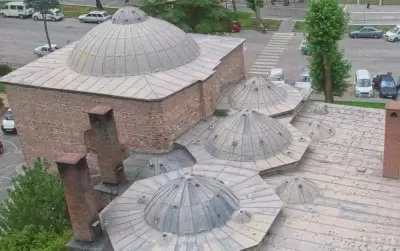
The mosque's exterior, domes, and stone masonry contain interesting details for photography enthusiasts. Framed by the historical street texture of Saray Quarter, the structure offers impressive shots, especially in the early morning hours when the light falls softly. If you combine your visit with the Amasya Museum, you will also have the opportunity to photograph the original door.
Best Time to Visit
The ideal periods to visit Amasya are April-May and September-October. During these months, the weather is neither too hot nor too cold; exploring the city's historical fabric on foot is quite enjoyable. In summer, Amasya can be quite crowded, especially on weekends and public holidays, visitor density significantly increases.
Although Mehmet Pasha Mosque is open for visits every day, it would be more appropriate to plan your visit outside of prayer times to show respect to the worshipping community. Early mornings offer both a calm atmosphere and the most suitable time for photography.
How to Get There?
Mehmet Pasha Mosque is located in Saray Quarter in Amasya city center. Since the historical area of the city has a very compact structure, it is possible to reach many historical buildings in the center on foot.
To reach Amasya, you can use the Amasya Intercity Bus Terminal. Regular bus services are available from Ankara, Istanbul, Samsun, and surrounding provinces. After arriving at the terminal, you can take a shared taxi (dolmuş) or taxi to the city center. For those arriving by car, finding parking in the city center can sometimes be difficult; therefore, you may prefer to park a little further away and walk. The mosque is also easily accessible from the main route along the Yeşilırmak River.
Suggested Itinerary: A Day in the Historical Heart of Amasya
We recommend planning your visit to Mehmet Pasha Mosque as part of a day exploring Amasya's rich historical fabric. You can start early in the morning with the King Rock Tombs and then walk along the Yeşilırmak River to see the Yalıboyu Houses. Mehmet Pasha Mosque and other historical mosques in the vicinity (Gümüşlü Mosque, Saraçhane Mosque) are located along this route.
In the afternoon, you can visit the Amasya Museum to get a closer look at the mosque's original wooden door. Completing the day with a visit to Bimarhane (Darüşşifa) allows you to experience both Amasya's religious and scientific heritage on a single route. All these points are within walking distance of each other.
What to Eat Nearby?
Amasya is a city that also stands out with its unique culinary culture. There are various local eateries around Mehmet Pasha Mosque and in the city center. The famous çörek baker, often mentioned by visitors, is located near the mosque; Amasya çörek is a delicacy that has become a symbol of the city.
In addition, at the restaurants and cafes along Amasya's Yeşilırmak River, desserts made from Amasya apples and local dishes are worth trying. The city has plenty of small artisan restaurants, modest eateries serving home-cooked meals, and tea gardens.
Things to Know Before Visiting
Mehmet Pasha Mosque is an active place of worship. You are expected to wear appropriate clothing during your visit; female visitors should cover their heads and avoid clothes that expose shoulders and knees. Male visitors should also prefer long trousers instead of shorts. Remember to take off your shoes when entering the mosque.
During prayer times, avoid speaking loudly and taking flash photographs so as not to disturb the worshipping community. If you want to see the original wooden door, do not forget to add the Amasya Museum to your visit plan; the museum has a separate entrance fee.
This content originates from neresigezilir.com.tr and may not be copied without permission.
Mehmet Pasha Mosque Videos
Mehmet Pasha Mosque videos load when you open this section to keep the page fast.
Show videos
FAQ
Updated: