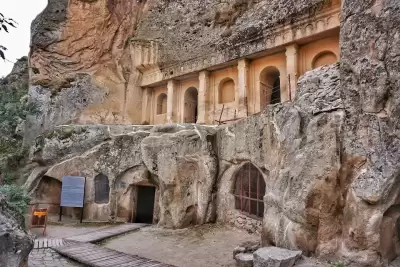
Located on an artificial hill in the center of Aksaray, the Ulu Mosque was built by Karamanoğlu Mehmed Bey between 1408-1409 and is one of the important examples of Anatolian Seljuk architecture with its finely cut stone masonry.
Among the structures ingrained in Aksaray's historical fabric, the Ulu Mosque holds a special place with both its architectural value and historical depth. The mosque's origins date back to the period of the Anatolian Seljuk ruler Rükneddin Mesud (1116-1155); however, the inscribed structure that stands today was built by Karamanoğlu Mehmed Bey by Architect Mehmet Firuz Bey between 1408-1409. The structure, referred to as Karamanoğlu Mehmed Bey Mosque in Ottoman records, has been known as Ulu Mosque by the people of Aksaray for centuries.
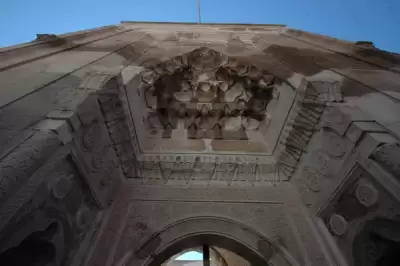
Designed on a nearly square plan, the mosque was built with finely cut stone. The interior, formed by four rows of columns in the qibla direction and three rows perpendicular to the qibla, reflects the typical ornamentation style of the Anatolian Seljuk beyliks period. The skillfully carved motifs in each stone square reveal the exquisite craftsmanship of the stone masters of the era. Located on an artificial hill, the structure is easily visible from the city center.
Guide's Note

Located right in the center of Aksaray, this historical structure attracts visitors with its deep-rooted history dating back to the Karamanoğlu period. Recent reviews highlight the mosque's general atmosphere and historical texture; especially the colossal wooden columns in the interior and the minbar crafted with the Kündekari technique are among the striking elements. Many visitors, including those who prefer to perform Friday prayers here, positively describe the structure's unique silence and inner peace.
Feedback from foreign visitors also emphasizes the cleanliness and well-maintained condition of the mosque. It is frequently mentioned in comments as a must-see stop in the city for those interested in the Seljuk and Karamanoğlu heritage.
Points to note:- Finding parking around the mosque can be difficult; it is reported that it is hard to get clear information from staff about the availability of nearby parking lots. Planning your visit outside of peak hours or researching alternative transportation options in advance can be a practical solution.
When to Visit?
The most suitable time to visit the Ulu Mosque is during the hours between morning prayer and noon. At these times, the interior of the mosque is calmer, and natural light plays its most beautiful game on the stone decorations. Spring and autumn months are also the most comfortable periods in terms of Aksaray's climate; you will not encounter scorching heat or freezing cold.
In summer, the stone floor and walls can get quite hot during noon; therefore, it is more appropriate to plan summer visits for early morning or after afternoon prayer. Since the mosque will be crowded during Friday prayer times, those who wish to examine architectural details should avoid these hours.
How to Get to Aksaray and the Mosque?
Aksaray is located close to the geographical center of Turkey, making it easily accessible from many cities. You can reach Aksaray from Ankara by a bus journey of approximately 2.5-3 hours. Regular bus services are also available from Konya, Nevşehir, and Niğde. For those arriving by road, Aksaray is highly accessible with its connection to the E90 highway.
Once you arrive in the city center, reaching the Ulu Mosque is quite easy; the structure rises on an artificial hill, so it can be seen from many points in the city. Thanks to its central location, it is possible to reach it on foot. Taxis or city minibuses can also be preferred.
Photography Spots
The Ulu Mosque contains many details that will please photography enthusiasts, thanks to the richness of texture offered by its stone masonry. The western facade is particularly striking with its decorations unique to the Anatolian Seljuk beyliks period; capturing this facade in the morning light reveals the depth of the carvings on the stones.
The mosque's location on an artificial hill allows you to create wide-angle compositions with the surroundings. In the interior, the perspective created by the column rows and the fine motifs on the stone surfaces offer interesting subjects for close-up photography. The light before sunset, known as the golden hour, reflects the warm tones of the cut stones on the exterior facade in the most beautiful way.
What to Eat in Aksaray?
Aksaray also offers unforgettable flavors to its visitors with its unique cuisine. The city's most famous dish is Aksaray testi kebabı (pottery kebab); this kebab, cooked in an earthenware pot, is a product of a regional cooking tradition. In addition, various local dishes made from lamb and tandoor-style meats are indispensable parts of Aksaray tables.
There are many local restaurants around the Ulu Mosque and in the city center. After morning visits, a table full of Aksaray's local cheeses and homemade products may be waiting for you at nearby breakfast spots. For dessert, traditional sweets such as keşkek and höşmerim should be tried in the region.
Things to Know Before Visiting
The Ulu Mosque is an active place of worship. During your visit, it is very important to pay attention to prayer times and not disturb those who are praying. We would like to remind you that you should take off your shoes when entering the mosque and that female visitors should cover their heads; therefore, it would be appropriate to carry a headscarf with you.
Since the structure is located on an artificial hill, the ground around it may be uneven; it is recommended to wear comfortable and non-slip shoes. Wheelchair or stroller use may be difficult due to the sloping nature of the hill. Avoiding flash photography and being respectful to other visitors ensures a peaceful visiting environment.
How Many Days to Allocate for Aksaray?
The Ulu Mosque alone can be visited in half a day; however, Aksaray and its surroundings, with their historical and natural riches, deserve at least a 2-3 day stay. An itinerary covering the Ulu Mosque along with other historical structures in the city center can be completed in a full day.
For those including Aksaray in their Cappadocia route, the city offers a close proximity to important points such as Nevşehir and Ihlara Valley. Since the Ihlara Valley can be explored with a half-day hike, it is possible to stay one night in Aksaray center and fit both the Ulu Mosque and the natural beauties of the valley into the same trip.
Aksaray Historical Center Route Suggestion
For those who want to see historical sites together in Aksaray city center, the following route can be suggested: Start your day with the Ulu Mosque; carefully examine the stone masonry and the inscription. Then walk to the nearby Eğri Minare (Leaning Minaret); this interesting structure is one of Aksaray's symbols and is within walking distance of the Ulu Mosque.
In the afternoon, you can visit the Aksaray Museum to explore the region's archaeological and ethnographic heritage. As the last stop of the day, a short walk through the city's historical bazaar to taste local delicacies and browse handicraft products completes the Aksaray experience. This route can be completed at a relaxed pace in approximately 5-6 hours.
This content originates from neresigezilir.com.tr and may not be copied without permission.
Ulu Mosque (Karamanoğlu Mehmed Bey Mosque) – Aksaray Videos
Ulu Mosque (Karamanoğlu Mehmed Bey Mosque) – Aksaray videos load when you open this section to keep the page fast.
Show videos
FAQ
Updated: