
A 4-day family itinerary that transitions from exploring the historical and natural beauties of Ankara to immersing yourself in the atmosphere of Istanbul. This travel plan brings together many different experiences, from War of Independence museums to lush green parks, Ottoman palace architecture to Roman ruins. Collect memories with this route, which also includes fun and educational stops for children.
Are you ready for a four-day family trip stretching from Ankara's role in Republican history to Istanbul's scenic views? This route allows you to both discover the deep history of the capital and enjoy pleasant time in Istanbul's breathtaking green spaces and along the Bosphorus shores. With this plan full of stops that will also attract children's interest, you will witness a different story every day.
War of Independence Museum (First Grand National Assembly of Turkey Building)
Located in Ulus, Ankara, this historic building where the Grand National Assembly of Turkey first convened on April 23, 1920, now serves as the War of Independence Museum. Built in 1916 for the Committee of Union and Progress, the structure is today filled with documents, personal belongings, and artifacts from that period. As you step inside, you feel the atmosphere of those days when the country's destiny was being shaped. Its facade covered with Ankara stone and the general assembly hall reflecting the spirit of the era make this place, where the first steps of the national struggle were taken, significant.
Republic Museum (Second Grand National Assembly of Turkey Building)
Located right next to the War of Independence Museum, the Republic Museum hosted the Second Grand National Assembly of Turkey between 1924 and 1960. In this hall, where Atatürk delivered his Great Speech, the fundamental revolutions of the Republic were realized. The general assembly hall, where 116 parliamentary seats are preserved, is filled with original parliamentary furniture and photographs from the period. This important witness to Turkish political history offers visitors a journey into the founding years of the Republic.
PTT Stamp Museum
Located in Ulus, in the historic Emlak ve Eytam Bankası building, the PTT Stamp Museum tells the history of postal services from the Ottoman Empire to the Republic with over 6,000 stamps. This three-story museum has a rich collection of philatelic objects such as old postal uniforms and vehicles. There is also a special section for children, allowing them to discover the enjoyable world of stamp collecting.
Temple of Augustus
Leaning against the Hacı Bayram Mosque, the Temple of Augustus is a Roman-era structure dating back to 25-20 BC. The Res Gestae inscription on it, conveying the will of Emperor Augustus, constitutes an important source for world historians. This area, containing Phrygian, Roman, Byzantine, and Ottoman layers, shows that Ankara is a very ancient settlement.
Our second day's route proceeds towards Ankara's more poignant and personal histories.
Ulucanlar Prison Museum
Located in Altındağ, Ankara, the Ulucanlar Prison Museum is a historical prison used between 1925 and 2006, transformed into a museum. This place, where many important figures like Deniz Gezmiş were imprisoned, offers a powerful testimony to Turkey's recent history with its Hilton Ward, gallows, and solitary confinement cells. Personal belongings of the prisoners make visitors feel the harsh conditions of that period.
Mehmet Akif Ersoy House Museum
This modest wooden house, where Mehmet Akif Ersoy, the author of the Turkish National Anthem, lived during the War of Independence years, is located in the Hamamönü district. Serving as a museum since 1949, admission to the building is free. Inside the house, you can capture the spirit of that period with photographs and personal belongings of Ersoy. With its location next to the Tacettin Sultan Dervish Lodge, you can also explore the historical texture of Hamamönü.
Kocatepe Mosque
Kocatepe Mosque, which has become a symbol of Ankara, is the largest mosque of the Republican era, built between 1967 and 1987. The structure, combining classical Ottoman architecture with a modern interpretation, draws attention with its four 88-meter-high minarets and central dome. With its spacious courtyard and outdoor photography opportunities, it holds an iconic position in the Ankara skyline.
On the third day, we will explore Ankara's natural beauties and a different historical structure.
Dikmen Valley
Dikmen Valley, located in the Çankaya district of Ankara, is an urban park offering walking paths, tea gardens, and children's playgrounds with 378,000 m² of green space. Especially in April, when it is adorned with cherry blossoms, the valley is ideal for escaping the city noise. You can enjoy pleasant family time with its walking trails and cafes.
Kuğulu Park
Located in the Kavaklıdere district, on Tunalı Hilmi Street, Kuğulu Park has been a beloved meeting point for Ankara residents since 1958. It offers a peaceful corner with swans and ducks swimming in its pond, sculptures, and green areas. Known for its Kissing Lovers statue and its status as a protected area, the park is especially preferred for relaxation in the evenings.
Seğmenler Park
Spread over an area of 67,000 square meters in the Kavaklıdere valley in Çankaya, Seğmenler Park stands out with sculptor Burhan Alkar's Seğmenler Monument. With its amphitheater, children's playgrounds, and wide grassy areas, it appeals to visitors of all ages. It offers a refreshing environment with its wooded structure where you can enjoy nature in the city center.
Merik Mansion (Golden Pavilion)
Merik Mansion, popularly known as the Golden Pavilion, is a private museum built inspired by Ottoman palace architecture. It holds the distinction of being Turkey's first furniture and architecture museum. With its gold-gilded interiors and antique furniture from the reign of Abdülhamid II, it offers visitors a unique cultural experience. The wooden carvings and wall paintings are noteworthy.
Our fourth day begins with the transition from Ankara to Istanbul, and we set out to explore the city's historical and natural beauties.
Gülhane Park
Gülhane Park, the former outer garden of Topkapı Palace, is a historic park opened to the public in 1912. With its century-old plane trees, tulips blooming in spring, and Bosphorus views, it is one of Istanbul's most beloved green corners. In this historic area where the Tanzimat Edict was proclaimed, you can also visit the Column of the Goths and the Museum of the History of Science and Technology in Islam.
Museum of the History of Science and Technology in Islam
Located within Gülhane Park, this museum showcases the scientific development of the Islamic world between the 9th and 16th centuries. Opened under the leadership of Prof. Dr. Fuat Sezgin, the museum exhibits copies of 585 tools and devices. With astronomy, medicine, and navigation instruments, it is an educational and engaging stop for children as well.
Galata Tower
Rising in Istanbul's Beyoğlu district, Galata Tower is a 62.59-meter structure built by the Genoese in 1348. Its open terrace offers a 360-degree panorama of Istanbul. As one of the city's most iconic landmarks with its museum-converted floors, the tower offers particularly stunning views at sunset.
Sveti Stefan Church (Iron Church)
Located on the Golden Horn shore in Balat, Sveti Stefan Church is one of the rare structures in the world built entirely of cast iron. Opened for worship in 1898, this Bulgarian Orthodox church draws attention with its Neo-Gothic architecture and the story of its prefabricated construction, transported by ships from Vienna. While exploring the historical texture of the Balat and Fener districts, be sure to see this unique structure.
This four-day route from Ankara to Istanbul offers both historical riches and natural beauties. While experiencing the unique atmosphere of both cities, you will collect pleasant family memories. For transportation, you can consider intercity bus or high-speed train options, and within the city, you can prefer public transport or taxis. For stops in Istanbul, tram and ferry also offer practical options.
This content originates from neresigezilir.com.tr and may not be copied without permission.
Places in This Article
Places to visit mentioned in this article

75th Anniversary Republic Education Museum
Located in Sıhhiye, Ankara, right next to Atatürk High School, this museum houses a unique c…
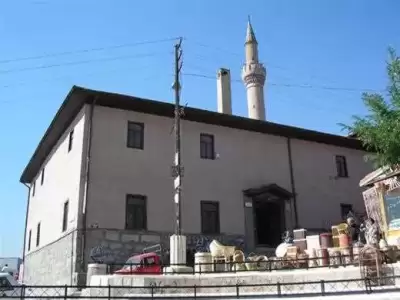
Ahi Elvan Mosque
A 14th-century structure built on a sloping rock in Ankara's Samanpazarı district. The mosqu…

Alagöz Headquarters Museum
Located in Alagöz Village, Polatlı district of Ankara, this museum is housed in the historic…

Ankara University Faculty of Pharmacy Museum
Opened on December 16, 2013, on the anniversary of the faculty's establishment, this special…

Ankara University History Museum
Located on Ankara University's Beşevler campus, this museum is a quiet but valuable reposito…
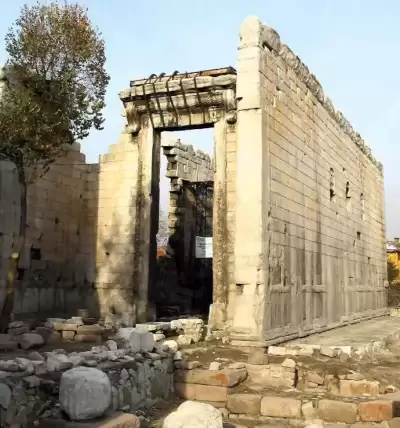
Temple of Augustus
Standing with its back to Hacı Bayram Mosque in the heart of Ankara, the Temple of Augustus …

Beypazarı City History Museum
The City History Museum, which opened its doors in the 1928-built Rüstem Paşa School buildin…

Beypazarı History and Culture Museum
Located in the Beypazarı district of Ankara, this museum, which opened its doors in a three-…
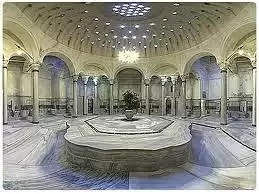
Çemberlitaş Hamam
Built in 1584, Çemberlitaş Hamamı is one of the rarest examples of Ottoman architecture attr…
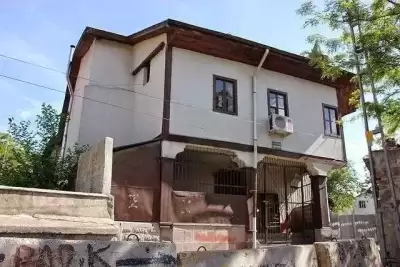
Eskicioğlu Mosque
This small mosque, located on Eskicioğlu Street in Hacı Bayram Neighborhood, Altındağ distri…
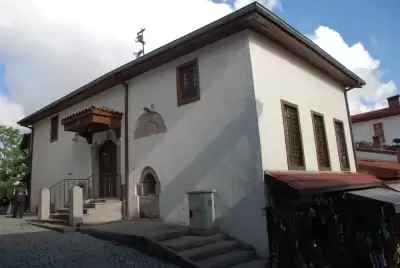
Hacı Arap Mosque
Standing at the corner of Koyunpazarı Street and Asker Street in Ankara's Samanpazarı distri…

Hacı Bayram Mosque
Hacı Bayram Mosque, located in Altınova, Ayvalık district of Balıkesir, is one of the region…
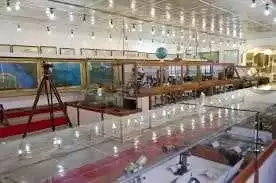
Cartography Museum
Located in the Cebeci district of Ankara, within the General Directorate of Mapping campus, …
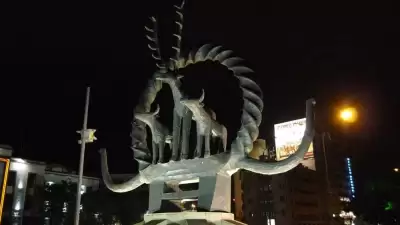
Hatti Monument
Rising near Sıhhiye Square in Ankara, the Hatti Monument is a modern structure that preserve…

Hilmi Nakipoğlu Museum of Photographic Cameras
Turkey's first camera museum, the Hilmi Nakipoğlu Museum of Photographic Cameras, was establ…

Kahramankazan July 15 Martyrs and Democracy Museum
Established in the Kahramankazan district of Ankara, this museum was opened to document the …

Karacabey Mosque
Karacabey Mosque, located within the Hacettepe Hospital grounds in Ankara's Altındağ distric…

National Struggle Atatürk's Residence and Railway Museum
Located within the Ankara Train Station complex, this museum is established in the historic …

MKE Industry and Technology Museum
Located within the MKEK campus in Tandoğan, Ankara, the MKE Industry and Technology Museum s…

Mustafa Ayaz Foundation Museum of Plastic Arts
Located in Balgat, Ankara, this private museum exhibits works produced by sculptor and paint…
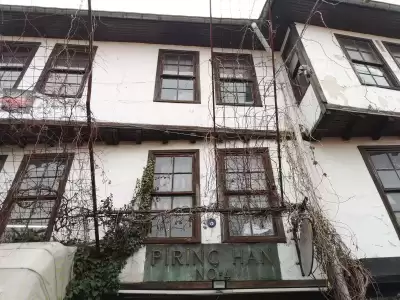
Pirinç Han
Pirinç Han, rising at the foot of Ankara Castle in the Atpazarı area, is a historic structur…
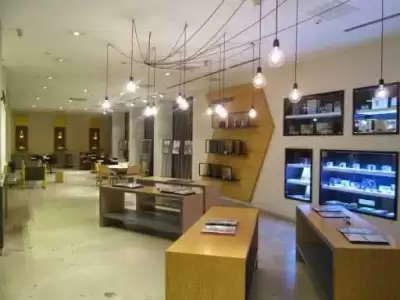
PTT Stamp Museum
A free museum in the historical Emlak ve Eytam Bank building in Ulus, exhibiting over 6,000 …

Sebahattin Yıldız Museum
Located in the Çankaya district of Ankara, the Sebahattin Yıldız Museum is a private museum …
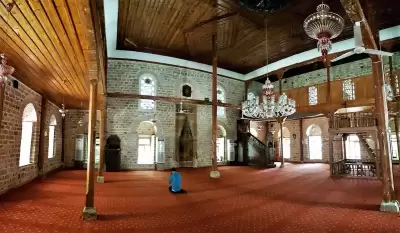
Sultan Alaaddin Mosque
Located within the inner citadel of Ankara Castle, Sultan Alaaddin Mosque is the first mosqu…
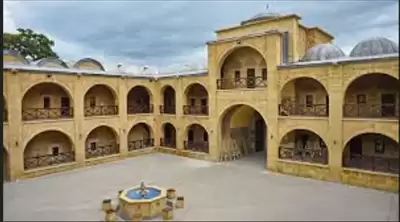
Suluhan Caravanserai (Nasuh Pasha Inn)
Located in the Beypazarı district of Ankara, Suluhan Caravanserai is an authentic Ottoman ur…

TCDD Malıköy Train Station Museum
Located in Malıköy, Polatlı district of Ankara, this museum showcases the railway front of t…

Türkpusat Traditional War Artifacts Museum
Located in Ankara's historic Kale neighborhood, very close to the Museum of Anatolian Civili…

Ulus Republic Monument
The Ulus Republic Monument, a symbol of Ankara, is a historical masterpiece opened on Novemb…
Bu yazıyı paylaş