脟orlulu Ali Paşa Madrasah is an Ottoman complex built between 1707-1709, located near the Grand Bazaar in Beyazıt, Istanbul; today, it welcomes visitors with its stone-columned courtyard and shisha cafes.
脟orlulu Ali Paşa Madrasah is part of an Ottoman complex located on Yeniçeriler Street in the Beyazıt district of Fatih, Istanbul, and was built between 1707 and 1709. The complex was commissioned by 脟orlulu Ali Paşa, son-in-law of Mustafa II and one of the Grand Viziers during the reign of Ahmed III. Paşa was born in 脟orlu in 1670 and became Grand Vizier on May 3, 1706. The complex consists of a mosque, dervish lodge (tekke), madrasah (d芒rülhadis), library, cemetery (haz卯re), and auxiliary buildings (meşrutalar), and was built on the site of the former Simkeşh芒ne building, in the area then known as Irgatpazarı or Esirpazarı, today called 脟arşıkapı.
Over the centuries, the structure has taken on different functions. The dervish lodge ceased to appear in Istanbul's dervish lodge lists from the beginning of the 19th century and is thought to have been annexed to the madrasah over time. Today, the madrasah courtyard serves as shisha cafes; this courtyard, surrounded by stone-columned porticoes and a fountain, has become a popular spot for both locals and tourists. Its location within walking distance of the Grand Bazaar, Beyazıt Square, and Divanyolu Street makes it an easily added stop for those exploring the historical peninsula.
Guide's Note

Best Time to Visit
Spring and autumn months offer the most enjoyable period to visit 脟orlulu Ali Paşa Madrasah. Sitting in the stone courtyard in mild weather turns into a much more pleasant experience. Since the Beyazıt and Grand Bazaar area experiences a heavy tourist flow in the summer months, visiting the madrasah in the early morning will allow you to both capture a calmer atmosphere and find better lighting conditions for photography. In winter, the courtyard can be cold; however, the shisha cafes continue to operate during this period, and a hot drink break among the stone walls creates a completely different feeling.
How to Get There
The easiest way to reach the madrasah is by the T1 tram line. Get off at the Beyazıt-Kapalıçarşı stop on the Kabataş-Ba臒cılar route; head towards Yeniçeriler Street from the stop and walk for about 3-4 minutes. The building is easily visible at number 36 on the street. Those preferring the metro can use the Vezneciler stop on the M2 line; a walk of about 5-7 minutes from there is sufficient. Among bus lines, 50V and 76D stop in the 脟arşıkapı area. If you are coming from the Sultanahmet side, walking along Divanyolu Street is also a good option; you will see many historical structures along the way.
Historical and Architectural Significance
The complex was built by 脟orlulu Ali Paşa, one of the powerful Grand Viziers of Ahmed III's reign, between 1707 and 1709. Paşa was born in 脟orlu in 1670; he was an Ottoman statesman who rose through palace service and became the son-in-law of Mustafa II. The complex is a holistic group of structures consisting of a mosque, dervish lodge (tekke), madrasah (d芒rülhadis), library, cemetery (haz卯re), and auxiliary buildings (meşrutalar). Built on the site of the old Simkeşh芒ne building, this complex reflects the tradition of Ottoman charitable foundations of its time. The arcaded courtyard layout, stone columns, and fountain present typical elements of classical Ottoman madrasah architecture. The specific dervish order to which the tekke belonged has not been definitively determined by historians.
Photography Spots
The madrasah's stone-arcaded courtyard is one of Istanbul's most photographic indoor spaces. Sunlight passing through the columns adds dramatic depth to the courtyard, especially in the morning hours. The stone paving around the fountain and the shisha tables offer unique frames where daily life and history intertwine. The view of the mosque dome from the courtyard is also a composition that photography enthusiasts should not miss. As you approach the madrasah's stone gate from Yeniçeriler Street, the exterior facade is also worth framing.
What to Eat, Where to Sit Nearby
The shisha cafes in the madrasah courtyard are among the most well-known stops offering tea and Turkish coffee. For those who want to take a shisha or hot drink break in a historical atmosphere, this courtyard offers a very unique experience. Nearby, just next to the Grand Bazaar, there are many traditional restaurants and pastry shops. As you walk towards Beyazıt Square, you will encounter various street foods and small restaurants. For those looking for a more comprehensive meal, establishments on Divanyolu Street are also a good option.
Suggested Route: Historical Peninsula Walk
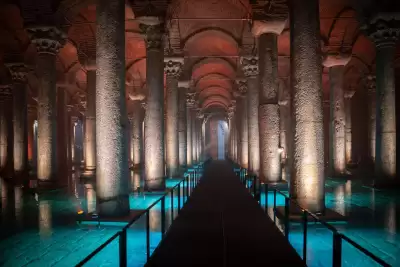
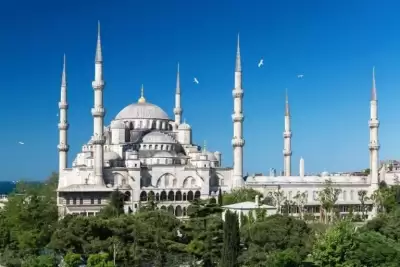
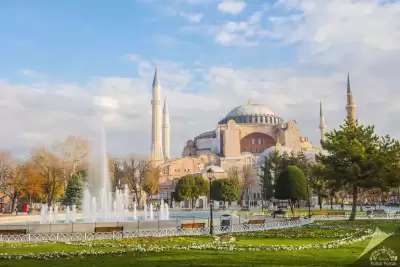
脟orlulu Ali Paşa Madrasah is located right in the middle of the historical peninsula's rich cultural route. You can start your day at Beyazıt Square and the Istanbul University gate, then visit the Sahaflar 脟arşısı (Booksellers' Bazaar) before heading to the madrasah. After a short break at the madrasah, explore the Grand Bazaar; then walk along Divanyolu Street towards Sultanahmet to visit the Basilica Cistern, Blue Mosque, and Hagia Sophia. This route allows you to see successive Ottoman and Byzantine layers within walking distance, all in one day.
Things to Know Before Visiting
While the madrasah courtyard is open to the public, the area is largely used by shisha cafe operators. Those who only want to examine the architecture and take photos can enter the courtyard freely; however, you are expected to order if you sit at the tables. When entering the mosque section of the complex, remember to adhere to religious site rules, be quiet, and wear appropriate clothing. Since the courtyard floor is stone-paved, caution is advised with high heels or slippery-soled shoes. Wheelchair or stroller use is difficult due to the courtyard's structure.
脟orlulu Ali Paşa Madrasah Videos
脟orlulu Ali Paşa Madrasah videos load when you open this section to keep the page fast.
Show videos
FAQ
Updated: