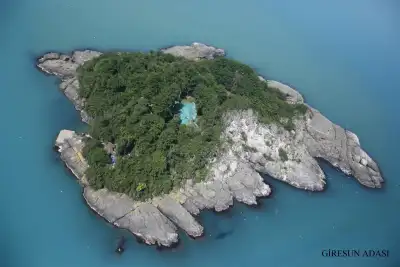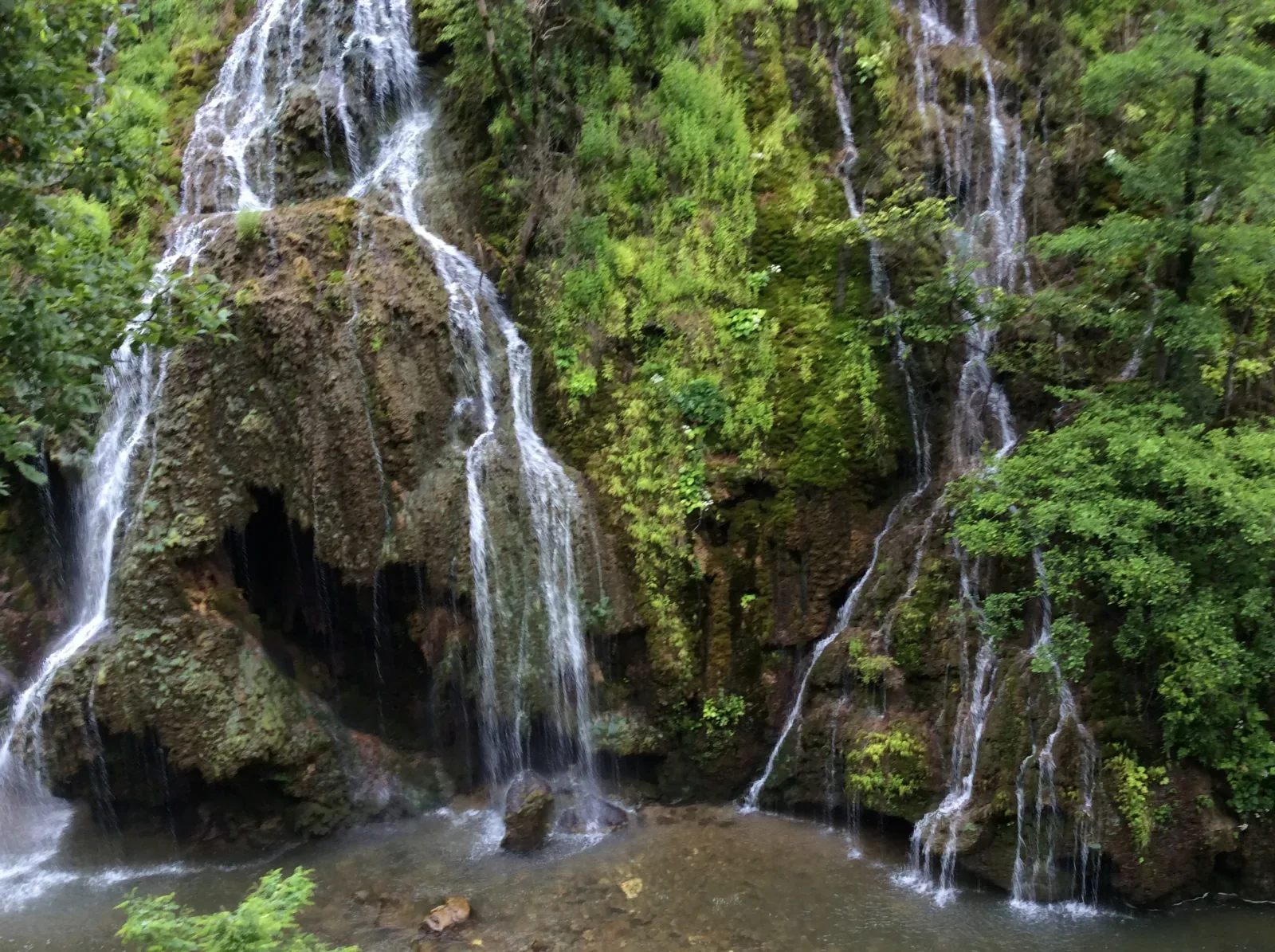
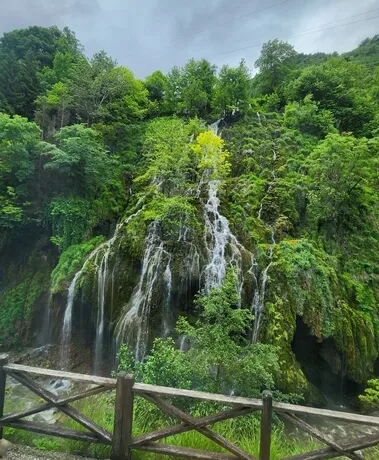
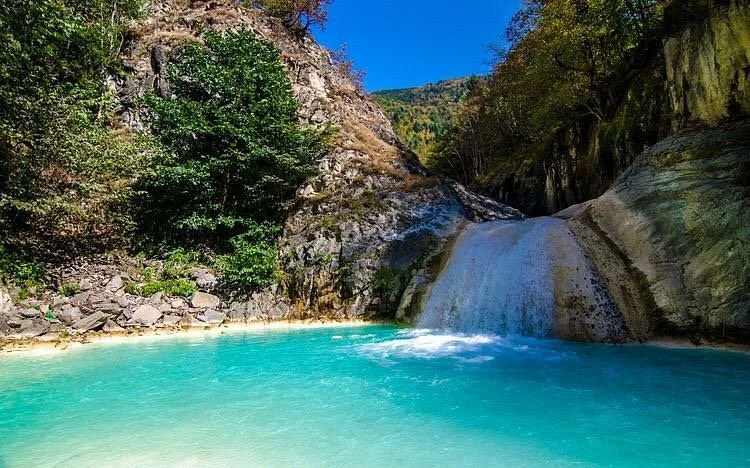
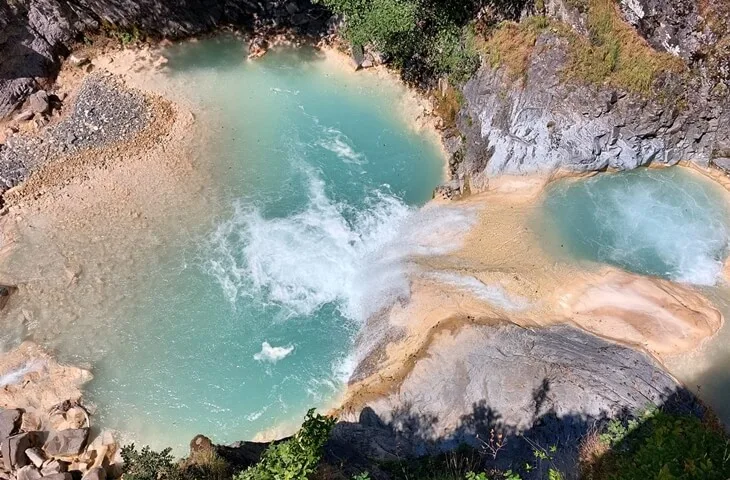
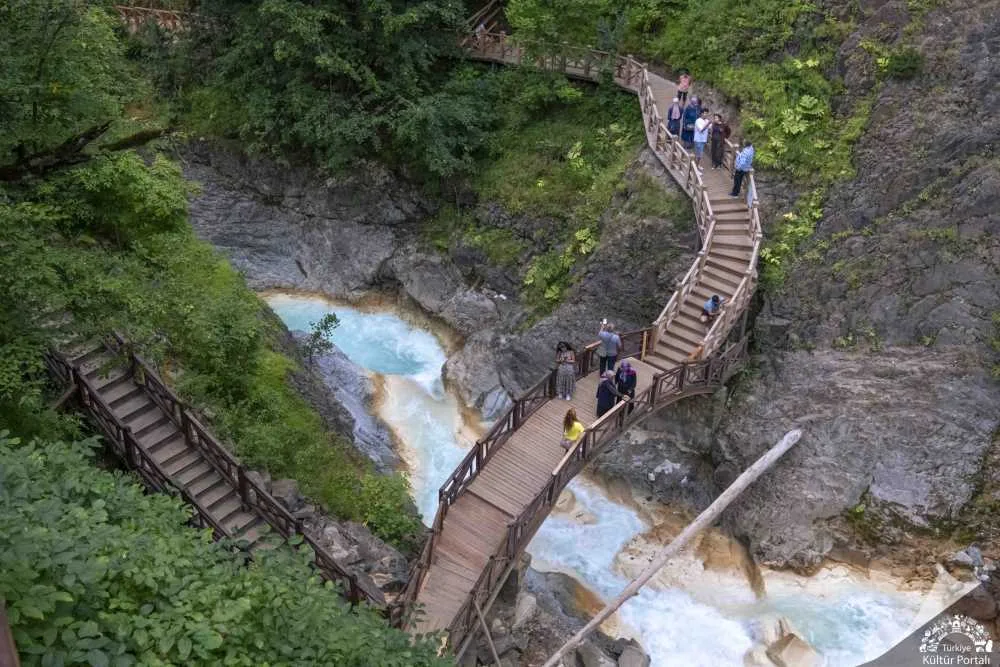
Blue Lake, located within Kuzalan Nature Park in Giresun's Dereli district, is the Black Sea's only soda lake, notable for its turquoise-green color; it can be visited with the same ticket as Kuzalan Waterfall and Göksu Travertines.
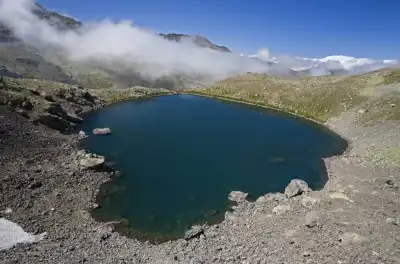
Blue Lake is located within the borders of Kuzalan Nature Park, approximately 45-50 km from Giresun city center and 13-20 km from Dereli district. It holds the distinction of being the Black Sea's only soda lake that flows like a stream. This soda-rich structure, extending west from the confluence of the Aksu and Göksu streams, gives the water its characteristic turquoise-green color. The lake is actually formed by the confluence of three separate lakes, with five similar lakes also found in its vicinity.
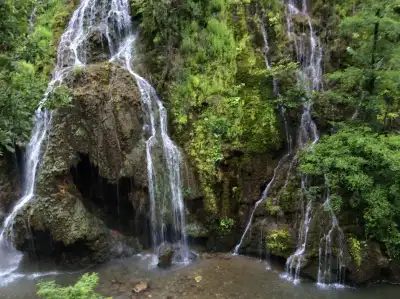
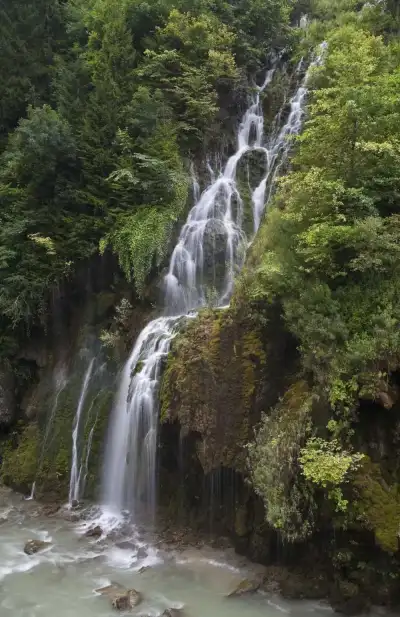
Since its discovery in 2014, it has become one of the most visited natural spots in the region. The 482-hectare nature park not only includes the lake but also Kuzalan Waterfall and Göksu Travertines. Both the lake and the waterfall can be entered with a single ticket. The period when the color appears most vibrant is during the summer months; the flow of the Göksu Stream significantly affects the water's hue.
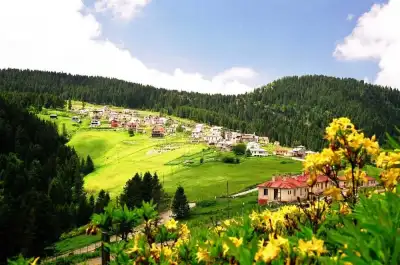
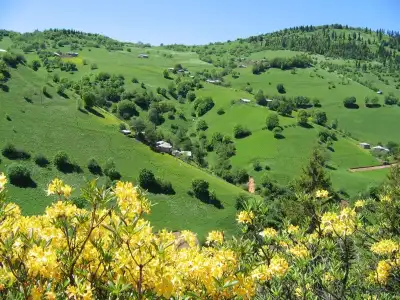
The highest points of the area can be reached from the surrounding villages, especially from the Kuzalan neighborhood of Alancık village. It ranks high on the list for those who want to take photos, as it offers a small but strong green-blue contrasting landscape. Although some travelers state that its size is smaller than they expected, the majority find it worth seeing.
Guide's Note
When to Visit Blue Lake?
May to October is the most suitable period. The flow of the Göksu Stream gives the water a distinct turquoise-green hue in summer, making June-August ideal for photographers. Access to the region can be difficult in winter, so it's advisable to check road conditions beforehand.
How to Get to Blue Lake?
From Giresun city center, head towards Trabzon and turn into the valley at the Dereli-Şebinkarahisar-Sivas sign. The road along Aksu Stream reaches Dereli district center in about half an hour. From there, continue towards Kuzalan Nature Park to reach the lake. Public transport options are limited; it's more practical to go by private car or organized tours.
How Much Time Should Be Allotted for Blue Lake?
Visiting only Blue Lake takes about 1 hour. However, since the same ticket is valid for Kuzalan Waterfall, most visitors combine the two and spend half a day. If you add Göksu Travertines to your itinerary, the day is complete.
Other Stops in the Vicinity
Within Kuzalan Nature Park, in addition to Blue Lake, there are Kuzalan Waterfall and Göksu Travertines. It is possible to visit all three on the same day. Staying in the plateaus in the region and continuing to higher altitude points of Giresun the next day is also a preferred route.
Things to Consider Regarding Entrance Fees
When Blue Lake first opened, it was free, but now there is an entrance fee. Figures vary among sources: there is information ranging from 25-60 TL for adults and 15-30 TL for students. This difference is likely due to prices updated over the years. It is also stated that there is an additional fee for toilet use, so having small change with you will make things easier.
Best Spot for Photos
The turquoise hue of the water becomes most prominent during summer midday hours when the sun shines directly on the lake. Shots taken from the walking path along the lake best capture the contrast between the green forest texture and the blue water.
Things to Consider Before Visiting
Some visitors state that the lake is smaller than they expected, so adjust your expectations accordingly. Since the road passes through the valley, careful driving is required, especially in rainy weather. As entrance fees and hours change from time to time, it is wise to confirm current information before going.
This content originates from neresigezilir.com.tr and may not be copied without permission.
Blue Lake (Kuzalan Nature Park) Videos
Blue Lake (Kuzalan Nature Park) videos load when you open this section to keep the page fast.
Show videos
FAQ
Updated: