The Yıldırım Bayezid Bedesten, located on Atatürk Street in Bursa, is the first bedesten of the Ottoman period, built by Sultan Bayezid I in the late 14th century. This enclosed bazaar structure, where jewelers and valuable goods merchants conducted secure trade, still stands near the Grand Mosque. Admission is free.
Bursa, as the first capital of the Ottoman Empire, has a deeply rooted history not only politically but also commercially. One of the most concrete proofs of this trade tradition is the Yıldırım Bayezid Bedesten, built by Sultan Bayezid I in the late 14th century. As the first bedesten of the Ottoman period, the structure stands on Atatürk Street, right next to the Grand Mosque, and has managed to remain at the center of Bursa's commercial life for centuries.
Bedestens were enclosed and secure shopping areas in the Ottoman urban fabric where jewelers, precious fabric merchants, and sellers of valuable goods gathered. The Yıldırım Bayezid Bedesten is one of the first examples of this tradition in the Ottoman geography. This structure, which shows that Bursa's bazaar tradition, which began during the reign of Orhan Bey, gained an institutional identity during the Yıldırım period, continues to be an integral part of Bursa's historical bazaar district today.
Guide's Note

The Yıldırım Bayezid Complex is a historical stop from which the vast majority of visitors to Bursa leave with positive impressions. A common sentiment highlighted in comments is that the venue's simple yet impressive architecture and historical atmosphere provide visitors with a sense of peace. When the tomb and mosque are visited together, it is possible to see the architectural features of the early Ottoman period firsthand.
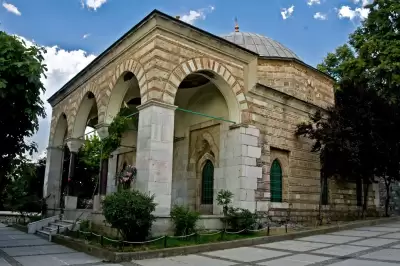
Visitor notes regarding the structure of the tomb include the following information: the structure was built in 1406 by Sultan Yıldırım Bayezid's son Süleyman Çelebi; it has a square plan with a portico section covered by three small domes in front, and it is the first tomb with a portico of the Ottoman period. In addition to Yıldırım Bayezid's sarcophagus, the tomb also contains sarcophagi belonging to his son İsa Çelebi and some unidentified individuals.
There is one point to consider before your visit:
- Discomfort inside the tomb: One visitor states that they were disturbed by individuals sleeping inside the tomb. For those planning a peaceful visit, this situation could lead to an unexpected experience.
The First Bedesten of the Ottomans: Historical Background
Bedestens were enclosed bazaar structures in the Ottoman urban planning where trade was conducted in the safest and most valuable manner. Jewelers, silk merchants, and sellers of precious goods traded and kept their merchandise safe in these venues. The Yıldırım Bayezid Bedesten is considered the first example of this type of structure in the Ottoman geography.
During his reign between 1389-1402, Sultan Bayezid I strengthened Bursa both architecturally and commercially. This structure, which brought the bazaar tradition started by Orhan Bey to an institutional level, reinforced Bursa's central role in the Silk Road trade. Today, the bedesten, standing on Atatürk Street, continues to be an important stop for those who want to understand the city's historical fabric.
When to Visit?
The best times to visit Bursa are spring (April-May) and autumn (September-October). During these seasons, the weather is suitable for both walking and exploring the historical bazaar area. In summer, Bursa can be quite crowded; especially on weekends, the Grand Mosque and its surroundings become very busy.
If you want to explore the bedesten and the surrounding historical bazaar area in a calmer environment, choose weekday mornings. In the afternoon, shops become livelier, and the shopping atmosphere increases; but the crowd also rises in parallel. During Ramadan, the bazaar area gains a special vibrancy in the evenings.
How to Get to Bursa and the Bedesten?
The most practical way to get to Bursa from Istanbul is to take a ferry or sea bus from Yenikapı or Kabataş to Mudanya, and then continue to Bursa city center by minibus or bus. Regular bus services also operate between Istanbul and Bursa by road.
Within Bursa, the Bursaray (metro) and bus network are quite developed. The Bedesten is located on Atatürk Street, within walking distance of the Grand Mosque, so it can be easily found by using the Grand Mosque as a reference. It is also possible to reach it on foot from the city center; it is within the same historical bazaar area as the Covered Bazaar and Koza Han.
Historical Bazaar Area Route Suggestion
The Yıldırım Bayezid Bedesten is located right in the center of Bursa's historical bazaar area. When you come here, you can see not only the bedesten but also other historical structures in the vicinity on the same walk. The suggested route can be structured as follows:
Grand Mosque → Yıldırım Bayezid Bedesten → Koza Han → Covered Bazaar → Orhan Mosque. This route corresponds to approximately a 1.5-2 hour walk and allows you to see Bursa's Ottoman trade heritage as a whole. Sitting and drinking tea at Koza Han and browsing Bursa's famous silk fabrics is one of the most enjoyable parts of this route.
What to Eat Nearby?
There are many options to explore Bursa cuisine in the historical bazaar area and around Atatürk Street. It is a must to try İskender kebap when you come to Bursa; this kebab's homeland is Bursa, and there are many well-established İskender kebap restaurants in the city.
Bursa's famous candied chestnuts and İnegöl meatballs are also among the flavors that must be tried. You can find dishes from Bursa cuisine with a homemade taste in the small restaurants in the bazaar area. Sitting in the courtyard of Koza Han and drinking tea or Turkish coffee is a separate pleasure.
Photo Spots
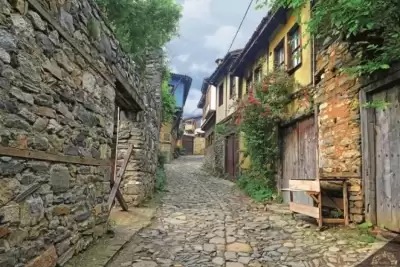
The Yıldırım Bayezid Bedesten and its surroundings offer a rich environment for those who want to photograph the historical Ottoman bazaar fabric. The stone craftsmanship at the bedesten entrances, the wooden stalls inside the bazaar, and the historical shop facades are perfect for capturing interesting shots.
The nearby Koza Han provides very beautiful photos, especially with the light falling into its courtyard at midday. Angles where you can see the minarets of the Grand Mosque and the bazaar roofs together are also available in the area. Silent street photos captured early in the morning when the bazaar is just opening carry a completely different atmosphere.
Things to Know Before Visiting
Since the bedesten is an active commercial area, visiting hours coincide with the operating hours of the shops. Some shops may be closed on Sundays; plan your visit accordingly.
If you are walking in the historical bazaar area, choose comfortable shoes; cobblestones and narrow streets can be challenging with high heels. When taking photos inside the bazaar, it is appropriate to show respect to shop owners and customers, and to ask for permission if necessary. Since the area has heavy tourist traffic, it is also important to pay attention to your valuables.
Yıldırım Bayezid Bedesten Videos
Yıldırım Bayezid Bedesten videos load when you open this section to keep the page fast.
Show videos
FAQ
Updated: