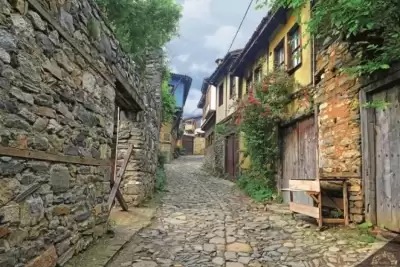
Located in Bursa's Muradiye district, the Muradiye Tombs are part of the complex built by Sultan Murad II in the 15th century, consisting of 12 tombs belonging to the Ottoman dynasty and notable for their Iznik tile decorations.
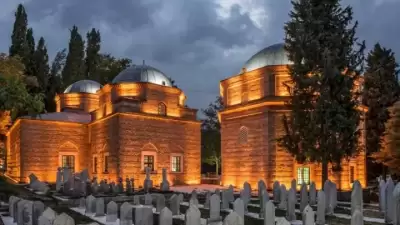
The Muradiye Tombs are part of the Muradiye Complex, built by Sultan Murad II between 1425-1426. The complex houses structures such as a mosque, madrasah, imaret (soup kitchen), and hammam (bathhouse). The section that attracts the most interest from visitors is the collection of tombs spread across a large and green garden. In the garden, in addition to the tomb of Murad II, there are a total of 12 tombs belonging to Cem Sultan, Şehzade Mustafa, Şehzade Mahmut, and other Ottoman princes and princesses.
Each tomb speaks a different architectural language. Some stand out with their simple brickwork, while others dazzle with the Iznik tiles covering their interiors. Particularly the tile panels and pen-work decorations in the Tombs of Cem Sultan, Şehzade Mahmut, and Şehzade Mustafa are considered among the most exquisite examples of early Ottoman art. Some of the tombs have been arranged as museums, allowing visitors to closely examine the sarcophagi and decorations inside. The garden, with its flowerbeds and shady trees, offers visitors a peaceful area away from the city noise.
Related discoveries: Places to visit in Bursa, Historical Places, Historical places in Bursa, Bursa Grand Mosque.
Guide's Note

Muradiye Tombs is a historical complex housing the graves of important figures from the Ottoman dynasty. Visitors emphasize that the site, where many dynastic members including Sultan Murad II, Şehzade Mustafa, and Cem Sultan are buried, is definitely worth seeing. The fact that the structures were built as monumental tombs stands out as an architectural feature that attracts visitors' attention.
The interior of Cem Sultan's tomb is among the points particularly appreciated by visitors. The complex offers an intense atmosphere for those interested in Ottoman history.
- Renovation: When planning your visit, keep in mind that some tombs may be closed due to renovation.
- Number of reviews: Recent Turkish reviews for the venue are quite limited; therefore, making a comprehensive assessment of experiences becomes difficult.
Best Time to Visit
The ideal time to visit Muradiye Tombs is during the spring (April-May) and autumn (September-October) months. During these periods, the flowers in the garden are in bloom, the weather remains mild, and crowds are relatively smaller. In summer, Bursa can be quite hot; visiting in the early morning during this season provides a more comfortable experience and allows for a more peaceful exploration of the tombs. In winter, the garden becomes deserted, but the tombs are still open for visits; during this period, the atmosphere gains a unique silence.
How to Get There?
Muradiye Tombs are located in the Muradiye district, part of Bursa's Osmangazi district. It is possible to reach directly from the city center by municipal buses and minibuses; alight at the Muradiye stop and walk a few minutes to reach the complex. For those walking from the Tophane and Hisar areas, the distance is approximately 10-15 minutes. This route passes through historic Bursa streets, offering a pleasant walk. Limited parking is available for those arriving by car; public transport or walking would be more practical.
How Much Time Should Be Allocated?
1 to 2 hours is sufficient for Muradiye Tombs. Exploring the garden, examining the exterior and interior of the tombs, and seeing the tile decorations up close can easily fit within this time. For those who want to take photos or note architectural details, the duration may extend up to 2 hours. Since Muradiye Mosque is located very close to the complex, combining the visit with a mosque tour is a logical option.
Route Suggestion
You can spend a productive day by combining Muradiye Tombs with other historical areas of Bursa. Starting your morning at the Tombs of Osman Gazi and Orhan Gazi in Tophane and then walking to Muradiye is a classic route. Afterwards, you can visit the nearby Muradiye Mosque and stop at small local restaurants in the district for lunch. In the afternoon, moving on to the Green Tomb and Green Mosque to complete the day allows you to see Bursa's early Ottoman heritage in a single route.
Photography Spots
Muradiye Tombs is an extremely rich area for photography. The path leading from the garden entrance to the tombs, with the domes in the background, creates a strong composition. Be sure to utilize the Iznik tile panels inside the tombs for detailed shots; a tripod or high ISO may be needed if the light is insufficient. The door decorations of Cem Sultan Tomb and the interior of Şehzade Mahmut Tomb offer particularly striking frames. The soft light hitting the garden in the morning captures both the tombs and the flowers at their best.
Things to Know Before Visiting
Some of the tombs are designated as museums, and their opening hours may change on public holidays; it is advisable to check current hours before visiting. Since the interior of some tombs is quite narrow, it can feel crowded when entered with large groups; if possible, prefer early mornings or weekdays. As it is a site of religious significance, a quiet and respectful demeanor is expected during the visit. The garden ground is partly stone-paved and uneven, so comfortable shoes should be preferred; wheelchair and stroller use may be difficult.
What to Eat Nearby?
The Muradiye district is filled with small local restaurants and patisseries frequented by locals rather than tourist restaurants; this keeps food prices reasonable. Bursa's unique İskender kebab is a must-try; many long-established restaurants in the city claim to have their own recipe for this dish. For lunch, fresh simit, poğaça, or Bursa's famous candied chestnuts can be bought from bakeries in the district. For dinner, the long-established kebab shops in and around Tophane would be a good choice.
Muradiye Tombs Videos
Muradiye Tombs videos load when you open this section to keep the page fast.
Show videos
FAQ
Updated: