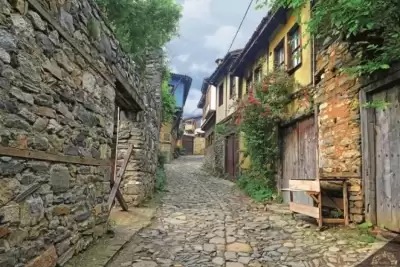
Kükürtlü Thermal Springs, located on Çekirge Street in Bursa's Osmangazi district, is a historic thermal facility fed by seven springs from the Bademli Bahçe source, renovated in 1681-1682. Its sulfurous and radioactive waters are believed to be beneficial for skin and joint problems.
Situated between Bursa city center and Çekirge, at an altitude of approximately 190 meters above sea level, Kükürtlü Thermal Springs is one of the most established representatives of the city's thermal heritage. These springs, fed by seven separate sources connected to the Bademli Bahçe spring, are located in the Kükürtlü Neighborhood of the Osmangazi district. The structure has a tiled roof and is known to have undergone a major renovation in 1681-1682. Recently, it has come under the use of Uludağ University units.
The thermal springs consist of two sections: Küçük Kükürtlü (Women's Bath) and Büyük Kükürtlü (Men's Bath). The high sulfur mineral content in the water brings with it a distinctive pungent odor; this smell is considered the most prominent indicator of the thermal waters' healing components. For those who wish to experience Bursa's unique thermal culture up close, these springs offer an authentic and historical experience, very different from modern spa facilities.
Related discoveries: Places to visit in Bursa, Historical Places, Historical places in Bursa, Muradiye Complex.
Guide's Note
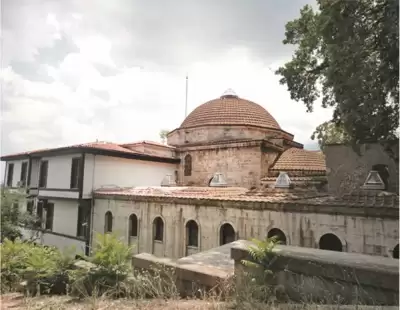
Kükürtlü Thermal Springs, with its historical structure dating back to the Ottoman period, serves for treatment purposes within the Atatürk Rehabilitation Center. The vast majority of visitors state that they come here for various complaints, especially rheumatism and physical orthopedic ailments, and have achieved positive results from the treatment process. Among long-term regular visitors, those who express finding healing are noteworthy.
The caring, understanding, and professional attitude of the doctors and health personnel appear to be the strongest aspect highlighted in the comments. The calm and peaceful atmosphere of the place is also positively received by visitors.
- Lack of maintenance: The historical building, both its interior and exterior, as well as its garden, are found to be neglected; it is emphasized that the physical condition of the structure needs improvement.
- Scope of treatment: It is recommended to call the center before visiting to inquire about which ailments are treated; comments indicate uncertainty in this regard.
What are Kükürtlü Thermal Springs?
Bursa is one of Turkey's richest cities in terms of thermal tourism. Kükürtlü Thermal Springs are among the oldest representatives of this richness. Located in the Kükürtlü Neighborhood of the Osmangazi district, on Çekirge Street, the springs are fed by seven sources connected to the Bademli Bahçe spring. The waters are very rich in sulfur and radioactive minerals. The structure underwent a major renovation in 1681-1682 and preserves its original architecture with its tiled roof. The facility is currently managed by Uludağ University.
Best Time to Visit
The thermal springs can be visited throughout the year; autumn and winter months are preferred to get the most out of the thermal experience. During these periods when the air temperature drops, entering the hot sulfurous water becomes much more enjoyable. Considering Bursa's humidity and heat in the summer months, the thermal bath experience might feel more tiring. Weekday visits are generally calmer compared to weekends.
How to Get There?
Kükürtlü Thermal Springs are located quite close to Bursa city center. Municipal buses operating from Osmangazi district towards Çekirge regularly cover this route. For those using private vehicles, access via Çekirge Street is extremely easy. Since it is close to Bursa's historic Çekirge district, it may even be within walking distance for those staying in hotels in Çekirge. City taxis and online ride-hailing applications are also practical options for transportation.
What to Eat Nearby?
The Çekirge district, where Kükürtlü Thermal Springs are located, is one of Bursa's established neighborhoods and has many old restaurants and cafes nearby. Bursa's famous İskender kebab, candied chestnuts, and Candır cheese can be easily found in this area. Hotel restaurants on Çekirge Street are also good options to explore the local cuisine. Choosing a light meal after a thermal bath visit helps the body recover from the thermal experience.
Where to Stay?
The closest accommodation options to Kükürtlü Thermal Springs are concentrated in the Çekirge district. This district offers numerous hotels with direct access to thermal water, allowing visitors to combine the thermal experience with comfortable accommodation. A wide range of options is available, from boutique guesthouses to large thermal hotel chains, to suit various budgets. For those who prefer to stay in the city center, transportation is also quite short.
Things to Consider Before Visiting
The Kükürtlü thermal waters have a distinctive and pungent odor; this is a natural result of the sulfur mineral. It is important to be prepared for this before visiting. Before entering the thermal waters, it is recommended to seek medical advice, especially if you have a chronic health condition. It is advisable to contact the facility before your visit, keeping in mind that current opening hours and fee information may vary. Don't forget to bring your towel, slippers, and appropriate swimwear for the thermal bath.
Bursa Thermal Route Suggestion
You can spend a full day by combining Kükürtlü Thermal Springs with other historical and thermal spots in Bursa. You can start your day with a visit to the thermal springs in the early morning, then explore the nearby Çekirge district. Historical places such as Ulu Cami (Grand Mosque), Kapalı Çarşı (Covered Bazaar), and Koza Han, located in Bursa's Osmangazi district, are also within visiting distance on the same day. In the afternoon, a cable car tour towards Uludağ can be a nice complement.
Kükürtlü Thermal Springs Videos
Kükürtlü Thermal Springs videos load when you open this section to keep the page fast.
Show videos
FAQ

Updated: