Burmalı Minare Mosque, located behind Amasya's Coppersmiths' Bazaar, is a Seljuk-era structure completed in 1243; its minaret, with twisted flutes spiraling along its entire length, is a unique design rarely seen in Anatolian architecture.
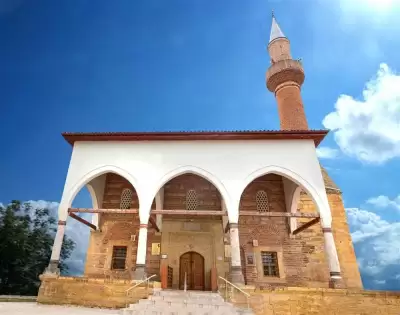
Rising just behind the Coppersmiths' Bazaar in Amasya city center, the Burmalı Minare Mosque is one of the most striking examples of Anatolian Seljuk architecture in Amasya. Built between 1237-1247 during the reign of Seljuk Sultan Gıyaseddin Keyhüsrev II by his vizier Necmeddin Ferruh Bey and his brother Haznedar Yusuf, the structure was completed in 1243 according to its inscription. The minaret, which gives the mosque its name, has a unique design with deep twisted flutes spiraling around its body, rarely seen not only in Amasya but throughout Anatolia.
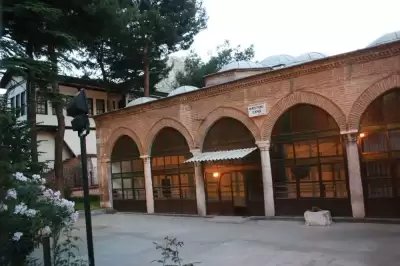
While the north facade, which is the entrance of the building, is covered with regular cut stone, the other facades are built with rubble stone. The use of brick in the window arches and tiles in the mihrab is noteworthy; this variety of materials showcases the mastery of Seljuk craftsmen. The octagonal-bodied Cumudar Tomb, located to the left of the mosque, is also a product of the same period. The mummies preserved in this tomb until 1928 are now exhibited in the Amasya Museum; thus, the tomb and the museum can be considered two complementary stops.
Guide's Note

Located behind Amasya's Coppersmiths' Bazaar, this structure was built in 1242 during the reign of Seljuk Sultan Gıyaseddin Keyhüsrev II by Ferruh Bey and his brother Haznedar Yusuf. With approximately 800 years of history, the mosque stands out as one of the important examples of Anatolian Seljuk architecture. Visitors find the stone carving workmanship at the mosque entrance and on the minaret particularly striking.
The twisted minaret, from which the structure takes its name, was originally built of wood; after various disasters, it was rebuilt with stone masonry in the 1700s. The atmosphere created by the combination of wood and stone elements inside, along with the mosque's acoustics, is positively received by visitors. It is also noticeable that it has undergone recent restoration. The Cumudar Tomb at the courtyard entrance can also be visited; it is known that the mummy belonging to the tomb is currently exhibited in the Amasya Museum.
- Since the area around the mosque is used as a parking lot, it can be difficult to take clear photos of the structure from the outside.
- There is no informative plaque about who the five graves inside the tomb belong to; this is considered a deficiency for curious visitors.
The Story of the Structure and Its Architectural Significance
Burmalı Minare Mosque is one of the most original representatives of Anatolian Seljuk architecture in the region. Built by Necmeddin Ferruh Bey, one of the powerful figures of the Gıyaseddin Keyhüsrev II period, the mosque became the center of Amasya's religious and social life in the mid-13th century. Also known as the Court Mosque, the structure has taken on different functions throughout history and has been etched into the city's memory.
The minaret, which gives the mosque its name, has inspired many structures in Anatolia. The deep twisted flutes that wrap around the body reveal that the minaret is not just an element of height, but also a masterpiece showcasing masterful stone craftsmanship. The distinction between the regular cut stone workmanship on the north facade and the rubble stone used on the other facades is interesting in terms of reflecting the construction understanding of the period.
Best Spots for Photography
Burmalı Minare Mosque is among the most photographed structures in Amasya. To capture all the flutes of the minaret clearly, shooting from the northeast corner would be the best choice; from this angle, the minaret and the cut stone workmanship of the entrance facade meet in the same frame. In the early morning, the light coming from the east creates dramatic shadow plays, adding depth to the minaret's flutes.
The octagonal body of the Cumudar Tomb offers a great opportunity to create a composition with the mosque. Perspective photos taken from the narrow streets of the Coppersmiths' Bazaar towards the structure also strongly reflect the historical atmosphere. Unique shots can also be captured for those who want to document the congregation coming and going during prayer times; however, attention should be paid to indoor photography during these moments.
When to Visit?
Amasya offers a different experience to visitors in all four seasons; however, April-May and September-October are the most balanced periods in terms of both weather conditions and crowds. During these months, the city is visited at a calm pace, away from the summer tourism intensity. The mosque's courtyard and surroundings gain a particularly captivating appearance for photography in the autumn light.
If you plan to visit Amasya in the summer, prefer the early morning hours; in the afternoon, the temperature rises, and the narrow streets around the historical structures can be stifling. Those who plan to visit during Friday prayer times should be prepared for a short wait.
How to Get There?
Burmalı Minare Mosque is located right in the heart of Amasya city center. A walk starting from opposite the Government House will take you to the structure in a few minutes. After arriving in the city center from Amasya bus station by shared taxi or taxi, it is possible to walk to the historical bazaar area.
If you are coming by car, it is recommended to leave your car in the city center parking lots and walk; the streets around the Coppersmiths' Bazaar are quite narrow. The closest major cities to Amasya are Samsun and Tokat; regular bus services are available from both.
Suggested Itinerary: Amasya Historical Center Tour
Burmalı Minare Mosque is a natural part of Amasya's dense historical center route. You can plan your visit as follows: Start early in the morning at the Amasya Museum; here you can see the mummies that were preserved from the Cumudar Tomb until 1928. Then, pass through the Coppersmiths' Bazaar to the Burmalı Minare Mosque and Cumudar Tomb.
From there, you can continue your walk towards the Mehmet Paşa Mosque, Büyük Ağa Madrasa, and Yalıboyu houses. This route along the Yeşilırmak river brings together Amasya's Ottoman and Seljuk heritage in a single walk. Half a day will be sufficient for the entire route.
What to Eat Nearby?
In the immediate vicinity of Burmalı Minare Mosque and in the Coppersmiths' Bazaar area, there are various restaurants and cafes where you can experience Amasya cuisine. Amasya's famous yellow apple is a culinary delight in itself; you can buy it fresh from fruit stalls. Among the city's traditional flavors, keşkek, höşmerim, and various Black Sea-Central Anatolian transitional cuisine dishes stand out.
Small artisan restaurants in the historical bazaar area offer a much more authentic experience than tourist restaurants. Choosing such places for lunch will be good for both your wallet and your taste buds.
Things to Know Before Visiting
Burmalı Minare Mosque is an active place of worship; it is necessary to be quiet and respectful during your visit. When entering the mosque, you are expected to remove your shoes, and female visitors are expected to cover their heads; therefore, it would be practical to carry a scarf with you.
The interior of the Cumudar Tomb may be closed at times; it is best to inquire about the current situation on site. Since the sidewalks and ground around the structure are uneven in some places, access with wheelchairs or strollers may be difficult. When taking photos, avoid eye contact with worshippers and be careful with flash usage.
This content originates from neresigezilir.com.tr and may not be copied without permission.
Burmalı Minare Mosque and Cumudar Tomb Videos
Burmalı Minare Mosque and Cumudar Tomb videos load when you open this section to keep the page fast.
Show videos
FAQ

Updated: