Yılanlı Kilise is a Byzantine-era structure dating back to the late 9th century, located within the Ihlara Valley in Aksaray's Güzelyurt district. Built with a free Greek Cross plan, the church is known for its frescoes depicting snakes and can be visited as part of the Ihlara Valley entrance fee.
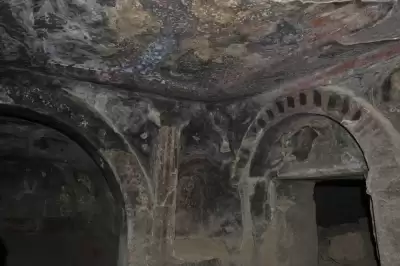
Yılanlı Kilise, one of dozens of churches carved into the rocky slopes of the Ihlara Valley, is a historical site that deeply impresses visitors with both its architectural structure and the frescoes adorning its interior walls. Dating back to the late 9th century, the structure is one of the rare examples that carries the belief and art understanding of the Byzantine period to the present day. The church takes its name from the depictions of women bitten by snakes on its walls; these scenes reflect a motif of punishment and purification frequently used in the religious iconography of the period.
The structure was built with a free Greek Cross plan, with wide arm lengths. Inside, fundamental scenes of Christian iconography such as Christ on the Cross, Entry into Jerusalem, the Burial of Mary of Egypt, and the Visitation are depicted using the fresco technique. Located on the 14-kilometer nature walking trail of the Ihlara Valley, the church is an indispensable stop for both history enthusiasts and nature hikers.
Guide's Note
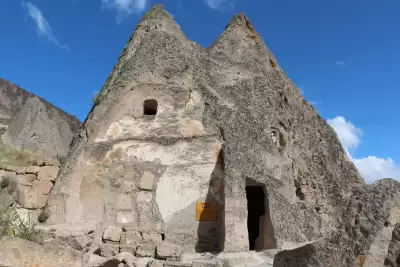
Among the churches in Ihlara Valley, Yılanlı Kilise stands out, attracting visitors with its rock-carved structure and wall frescoes. The scenes depicting snakes, which give the church its name, offer a unique narrative with iconography about the punishment of sinners; these scenes, depicting women who refused to breastfeed their children or lied being bitten by snakes, are also explained at the church entrance. Multiple visitors have cited this as their favorite spot among the churches in the valley.
It is located approximately 200 meters walk from the valley entrance. It is considered rare for frescoes whose faces have not been damaged to be so well preserved; it has an interior that evokes a historical atmosphere. For those who want to make their visit more efficient, it is recommended to come with a guided tour or after prior research; otherwise, understanding the meaning of the frescoes can be difficult.
However, there are some points of attention reported by visitors:
- Vandalism: Some visitors state that the names carved into the walls and the damage to the frescoes have reached serious levels; this negatively affects the integrity of the site.
- Wear and tear on frescoes: Fading and abrasion are observed over time; some scenes are not clearly discernible.
- Walking and ground conditions: The path within the valley can be muddy and slippery in some places; ascents and descents are found to be tiring. It is recommended to wear comfortable, non-slip shoes. It may create difficulty for visitors with limited mobility or those who may struggle.
- Photography: There is uncertainty among visitors regarding the rules for taking photos inside; it would be wise to confirm current information before going.
What is Yılanlı Kilise and Why is it So Special?
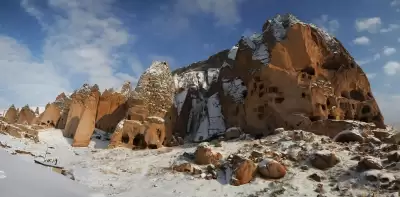
Among the dozens of rock-cut churches stretching along the Ihlara Valley, Yılanlı Kilise (Snake Church) is one of the structures that attracts visitors with the curiosity its name evokes. Built in the late 9th century, this church was used as a place of worship by priests and monks in ancient times. Carved into the steep rocky slopes of the valley, the structure has managed to stand for centuries as a unique architectural example shaped by nature and man together.
The element that gives the church its name is the frescoes on the inner walls. These frescoes feature depictions of women bitten by snakes, and these scenes represent an allegorical narrative of the punishment of sin in Byzantine religious iconography. These images are extremely valuable in terms of embodying the belief world and moral teachings of the period.
Yılanlı Kilise for Photography Enthusiasts
Yılanlı Kilise offers a rich area for photographers in terms of both its architecture and interior frescoes. The church entrance and the texture of the stone walls allow you to capture interesting shots under different lighting conditions throughout the day. In the early morning, when the valley is not yet crowded, there will be no crowds to disturb you in your photos.
When photographing frescoes inside, avoid using flash; to both avoid damaging the works and to capture more realistic colors with natural light, make the most of the existing light. If you want to see the general view of the valley and the exterior of the church together, you can frame by stepping back a few steps from the stairs leading down to the church.
Best Time to Visit
While Ihlara Valley and therefore Yılanlı Kilise are open to visitors for most of the year, spring and autumn are the most ideal periods in terms of both weather conditions and natural beauty. In April and May, the valley floor turns green, and the sound of the Melendiz Stream adds a special tranquility to the walk. In September and October, the heat has subsided, and crowded tourist groups have decreased.
In the summer months, the valley can be quite hot; during this period, setting off in the early morning, around 09:00-10:00, will both protect you from the sun and allow you to visit the church more calmly before the crowds. Visiting in winter is possible, but some roads and services may be restricted; it is recommended to get information beforehand.
How to Get to Yılanlı Kilise?
Yılanlı Kilise is located approximately 35 km from Aksaray city center, within the Ihlara Valley, which is part of the Güzelyurt district. Minibus services run from Aksaray bus station to Ihlara town; however, as schedules may vary by season, it is advisable to get up-to-date information from the bus station or local sources before departing.
If you are coming by your own vehicle, you can reach Ihlara town by following the Aksaray-Güzelyurt highway. From there, after descending the stairs into the valley, you can reach Yılanlı Kilise by turning left towards Selime. Tour agencies organizing day trips from Nevşehir or Göreme also include Yılanlı Kilise in their Ihlara Valley programs; this option is a practical alternative for those who do not want to worry about transportation.
Suggested Route in Ihlara Valley
Visiting Yılanlı Kilise not alone, but together with other historical structures along the 14-kilometer walking trail of Ihlara Valley, offers a much more rewarding experience. After entering through the main gate and descending the stairs, you can reach Yılanlı Kilise on the left (towards Selime). Continuing your route, you can also visit other prominent structures with frescoes such as Ağaçaltı Church, Pürenli Seki Church, and Kokar Church.
For those who want to walk the entire valley, the route from Ihlara town to Selime takes approximately half a day to a full day. In Belisırma village, located in the middle of the path, there are tea gardens and small restaurants where you can take a break, relax, and taste local delicacies. Comfortable walking shoes and plenty of water are essential.
What and Where to Eat Nearby?
Around Ihlara Valley, where Yılanlı Kilise is located, especially in Belisırma village, there are a few small restaurants and tea gardens set up along the Melendiz Stream. In these places, you can relax with tea and catch your breath while recovering from the valley walk, and eat simple but satisfying local dishes.
For those who want to explore Aksaray cuisine more comprehensively, Aksaray testi kebabı (pottery kebab) and local pastries will be a good choice when you return to the city center. There are also small artisan restaurants catering to visitors in Ihlara town; you can fill your stomach here before or after starting your valley walk.
Things to Know Before Your Visit
Descent into and ascent from Ihlara Valley is done via steep stairs. Therefore, wheelchair or stroller use is not possible; those with knee and leg health issues are also advised to evaluate this beforehand. The ground on the walking trail can be slippery or uneven in some places; sturdy, comfortable shoes are absolutely essential.
Be careful not to touch the frescoes inside the church; these works have managed to survive for centuries and are under protection. You can use audio guide services during your visit. Since the signal may be weak within the valley, it will be practical to note down important information beforehand or download an offline map. Carrying enough water and light snacks with you will also provide great convenience during long walks.
This content originates from neresigezilir.com.tr and may not be copied without permission.
FAQ
Yılanlı Church (Snake Church) videos load when you open this section to keep the page fast.
Updated: