Pürenliseki Church is a four-section example of Cappadocian rock-cut architecture in Aksaray's Ihlara Valley, featuring frescoes from the 10th to 12th centuries depicting scenes of Jesus, Mary, and saints.
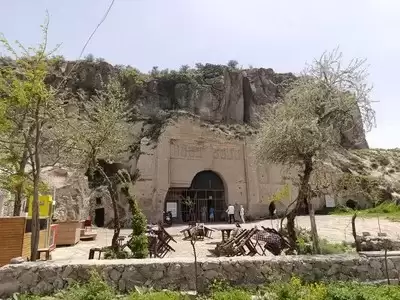
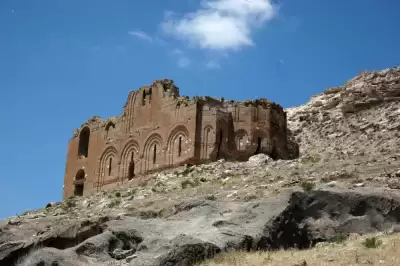
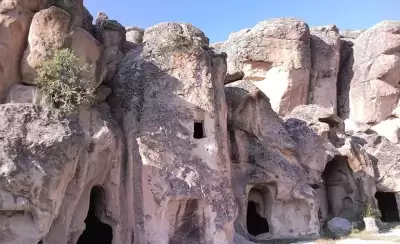
Pürenliseki Church is a rock-cut Christian place of worship located deep within the Ihlara Valley, within the borders of Güzelyurt district, Aksaray province. The church reflects the rock-cut architecture tradition of the Cappadocia region with its four main sections: a narthex, two naves, and an apse. The naves, covered with barrel vaults, are separated by two piers and a triple arch opening. The presence of tombs on the narthex floor indicates that the structure was used not only for worship but also for burial purposes.
The frescoes covering the church walls and dome surface are dated between the early 10th century and the 12th century. Scenes from the life of Jesus, Gospel stories, depictions of the Virgin Mary, and various saint figures constitute the main subjects of these frescoes. The dome features the scene of the Ascension. Despite centuries of humidity and natural erosion, a significant portion of the frescoes is still discernible, making Pürenliseki Church one of the most valuable iconographic documents in the region.
Guide's Note

Pürenliseki Church is a rock-cut church with four sections, notable for its early medieval frescoes. Visitors have expressed satisfaction in seeing the frescoes, dated from the early 10th to the 12th century, in person. These frescoes include scenes from the Bible, depictions of Mary, and childhood narratives; tombs are also found on the narthex floor.
Although the church is a small structure, some visitors have observed that the wall paintings are largely faded or damaged. Nevertheless, there are those who find the place valuable.
Things to know before visiting:- The church is currently closed to visitors due to the risk of rockfall and restoration work; the interior can only be partially seen from the outside.
- It is recommended to confirm the current opening status before you go.
Best Time to Visit
The ideal times to visit Pürenliseki Church are April–May and September–October. During these months, the vegetation around the Melendiz Stream, which flows through the Ihlara Valley, is at its most vibrant; conditions are very favorable for both hiking and photography. Since the valley temperatures rise considerably in summer, visitors planning a trip in July–August are advised to choose early morning hours. In winter, the number of valley visitors decreases; this period can also be preferred for those seeking a quiet experience, but slippery roads should be taken into consideration.
How to Get There
Pürenliseki Church is located within the Ihlara Valley, approximately 35 km from Aksaray city center. You can reach the valley entrance by minibuses departing from Aksaray bus station towards Ihlara or Güzelyurt. If you are using a private car, you can follow the Aksaray–Ihlara highway and park in one of the valley car parks; the church is located on the walking trail from there. For those coming from the Cappadocia region, access is also possible via Nevşehir. Daily Ihlara Valley tours organized by tour operators also include the church in their itinerary.
Suggested Route: Combined with Ihlara Valley
Visiting Pürenliseki Church as part of a route covering the entire Ihlara Valley offers a much more rewarding experience. You can start from the northern entrance of the valley and walk south; along this route, valuable rock-cut churches such as Ağaçaltı Church (Daniel Panteli), Pürenli Seki Church, Kokar Church, and Yılanlı Church are lined up. At the end of the route, you can take a break at one of the riverside restaurants in Belisırma village. The full valley walk takes approximately 14 km; for those who can allocate half a day, a shorter route can also be created by selecting specific churches.
Photo Spots
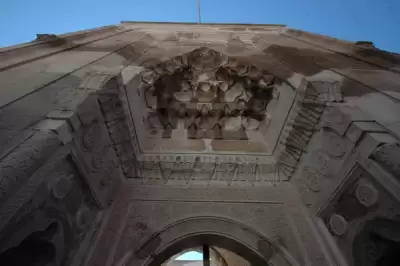
Pürenliseki Church offers several different shooting opportunities for photography enthusiasts. The rock facade at the church entrance provides a strong sense of depth and texture, especially in the morning light. Angled shots taken looking up at the dome and vault surfaces in the interior best reveal the color layers of the frescoes; a wide-angle lens can be preferred for these shots. The floor tombs in the narthex section also form an interesting compositional element. Due to its location within the valley, wide-angle shots encompassing the surrounding rocky slopes and the Melendiz Stream together also yield very impressive results.
What to Eat Nearby
Dining options immediately near Pürenliseki Church are limited; however, Belisırma village, located along the valley route, has become a popular stop for visitors with its few small riverside restaurants. These establishments offer local delicacies such as fresh trout, lentil soup, and village breakfast. For a more comprehensive dining experience, the nearby Güzelyurt district center can be preferred. Those planning a long valley walk are advised to carry water and light snacks.
Things to Know Before Visiting
There are a few important points to consider when visiting the rock-cut churches within Ihlara Valley. Valley entrance requires a MuseumPass or a daily ticket; it is not possible to reach the church without a ticket. The frescoes inside the church are extremely delicate; not touching the walls and not using flash contributes to the preservation of the frescoes. Since the ground along the valley walk is sometimes slippery and uneven, sturdy walking shoes are essential. A small flashlight or phone light will make it easier as the church interior can be quite dark. Remember that visiting hours may vary by season; it is recommended to confirm current information before you go.
Historical and Architectural Significance
Pürenliseki Church is one of the most unique representatives of the rock-cut architecture tradition in the Ihlara Valley within the Cappadocia region. The structure is estimated to have been built between the 11th and 12th centuries and consists of four sections: a narthex, two naves, and an apse. The naves, covered with barrel vaults, are separated by two piers and a triple arch opening. The tombs located on the narthex floor indicate that the church was also used as a burial place.
The frescoes covering the walls and dome surfaces span a wide period from the early 10th century to the 12th century. Scenes from the life of Jesus, Gospel stories, depictions of the Virgin Mary, and various saints constitute the main iconographic themes of these frescoes. The Ascension scene in the dome is considered one of the most impressive examples of Byzantine art in Anatolia. The church holds great importance for faith tourism as well as for art historical research.
This content originates from neresigezilir.com.tr and may not be copied without permission.
FAQ
Pürenliseki Church videos load when you open this section to keep the page fast.

Updated: