Montmartre is a historic district located in the 75018th arrondissement of Paris, which was an independent village until 1861 and inspired artists like Picasso and Van Gogh. It is known for the Sacré-Cœur Basilica, narrow streets, the painting market in Place du Tertre, and its bohemian atmosphere.
Montmartre is a district located on Paris's highest hill, which was an independent village until 1861. Also known as the Hill of Poets and the Hill of Lovers, it became an art hub in the 19th and 20th centuries, inspiring great artists like Picasso, Van Gogh, and Toulouse-Lautrec. Today, with its narrow streets, colorful buildings, and vibrant art scene, it is one of Paris's most charming neighborhoods.
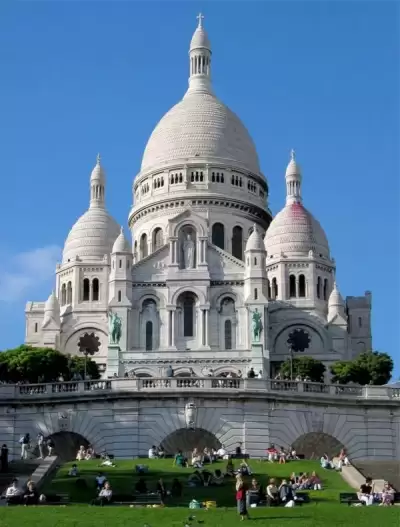
Montmartre's most important symbol is the Sacré-Cœur Basilica, located at the summit of its hill. This white church, with both its religious significance and architectural beauty, is one of Paris's most impressive structures. The stairs leading up to the Basilica offer one of the best spots for city views, especially at sunset, truly presenting a spectacle.
If you take a stroll through the neighborhood, you can have your portrait drawn by artists in Place du Tertre, see love messages written in various languages on the Wall of Love, and find the locations where the movie Amélie was filmed. Walking routes starting from the Abbesses station are ideal for exploring the neighborhood's culture and local life. Sitting in small cafes and experiencing Parisian life adds a special flavor to this district.
Guide's Note
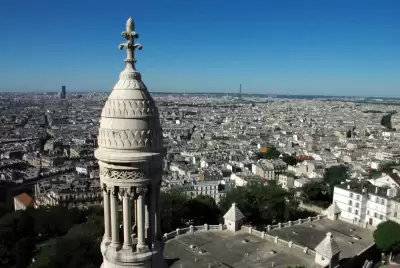
Montmartre, with its hilltop location in Paris, offers visitors a panoramic view of the city. The most prominent point highlighted in reviews is the high-angle view of Paris; you can see the important structures in the city center and west at a single glance. It is emphasized in multiple comments that visiting both during the day and at night offers a distinct pleasure.
A lively atmosphere prevails in the area: street musicians, vendors, and large groups of visitors add a special color to the square. Visiting the Basilica and exploring the surrounding streets are also among the recommended activities. If you pay approximately 8 Euros to climb the dome and ascend 300 steps, you can reach a 360-degree view of Paris; visitors who shared this experience found it quite tiring but worthwhile. The surrounding restaurants are also mentioned positively.
While all existing comments are positive, they are limited in number and mostly very short. Therefore, the following point of caution is based on only one visitor's experience:
- Dome climb: Requires climbing approximately 300 steps; it may be challenging for those with mobility limitations or those unprepared for a long walk.
Montmartre: Paris's Hill of Art and Romance
Montmartre is a neighborhood located in the heart of Paris, distinguished by its historical and cultural significance. This hill, which remained an independent village separate from Paris until 1861, is now one of the city's most captivating areas. Montmartre, which inspired legendary artists like Picasso, Van Gogh, and Toulouse-Lautrec, still carries a lively and bold bohemian spirit.
As you wander through the narrow streets on the hill, the workshops of painters and artists, small cafes, and the facades of old buildings allow you to discover Paris. From the open-air painting market in Place du Tertre to the magnificent view of the Sacré-Cœur Basilica, every corner is worth photographing.
Best Time to Visit Montmartre
Spring and autumn months are the ideal times to visit Montmartre. In April-May or September-October, the weather is mild, the crowds are not as dense, and you can comfortably observe the street artists. In summer, the influx of tourists reaches its maximum; if you want a calmer experience, you should avoid this period.
The time of day is also important. If you go out early in the morning, you can find the squares and the basilica less crowded. In the evening, the neighborhood takes on a different spirit; cafes open, and the streets become more romantic. Watching the Paris skyline from Montmartre at sunset can be the most memorable moment of any visit.
How to Get to Montmartre
Reaching Montmartre by metro is the most practical way. You can get off at Anvers station on metro line 2 or Abbesses station on line 12. Both stations are strategically located in the neighborhood, and you can start your walk from there. If you start from Abbesses, you'll have easy access to nearby attractions like the Wall of Love.
Buses are also an option; several lines serve the foot of Montmartre and the surrounding areas. If you have difficulty climbing the stairs down from the hill, you can use the funicular train near Sacré-Cœur to dedicate more of your time on the hill to sightseeing.
Getting Around Montmartre
Montmartre's main charm is discovered by walking. A walk starting from Abbesses passes by the Wall of Love, Au Café des Deux Moulins (known as Amelie's House), narrow and charming streets, local restaurants, and small boutiques. Each step takes you a little higher up the hill, and the view gradually becomes magnificent.
Place du Tertre is located in the heart of the neighborhood, directly near Sacré-Cœur. Here, painters and artists have been making a living by drawing portraits and panels for centuries. The neighborhood also offers various museums to preserve its cultural heritage. Getting lost in Montmartre's narrow alleys is also part of the experience; finding your own route might be more enjoyable than following pre-planned tours.
How Many Days Should Be Spent in Montmartre
Half a day is sufficient for a basic tour of Montmartre. Visiting Sacré-Cœur, spending time in Place du Tertre, and strolling through the main streets will take 3-4 hours. However, if you want to spend more in-depth time in the neighborhood and discover its hidden corners, I recommend dedicating a full day.
For your general trip to Paris, it is common to place Montmartre in the afternoon of the second day of a 48-hour itinerary. If you want to visit the museums, cabarets, and art studios in the area, you can find more time. If staying in the neighborhood is an option, you can fully experience its bohemian atmosphere.
Suggested Walking Route
Start from Abbesses Metro station and visit the Wall of Love. From there, head towards Au Café des Deux Moulins; this cafe, where the famous scene from the movie Amelie was filmed, is important for photos. Ascend the hill through the streets to reach Place du Tertre. Explore the artists' market here and have your first encounter with the exterior architecture of the Sacré-Cœur Basilica.
After entering the Basilica to see its interior architecture (or just taking photos from the outside), you can plan to watch the sunset while enjoying the panoramic view of Paris from the hill. On your way back, if the Montmartre Museum or Moulin Rouge is nearby, learning about the history of cabaret art might be interesting. Finally, stopping at a small bistro for dinner in the neighborhood to taste local dishes completes your route.
Montmartre's Best Photo Spots
The Sacré-Cœur Basilica is Montmartre's symbol and most important photographic subject. Photos taken from the front of the Basilica and from the steps are considered iconic. The area around Place du Tertre, while crowded with painters and tourists, offers an authentic Parisian scene in the neighborhood. Rue Lepic street, narrow alleys, and the facades of old buildings offer moments worth capturing at every corner.
The Wall of Love is a small square adorned with love messages written in different languages of the world; it's ideal for romantic photos. The funicular train line is photographically valuable in itself on the descent from the hill. At sunset, photos taken while watching the Paris skyline from the top of the hill will be the most precious memories of your journey.
Accommodation in Montmartre and Nearby Areas
Staying directly in Montmartre is the best way to experience the neighborhood's bohemian atmosphere up close. The area offers various price levels of hotels, apartment rentals, and Airbnb options. While the area around Abbesses and Place du Tertre is lively with tourists, you might prefer quieter streets nearby. The Pigalle area to the south is also close by and may offer slightly more economical options.
Even if you don't want to stay in Montmartre, you can reach it by metro in 10-15 minutes from central neighborhoods like Châtelet, Les Halles, or Marais. Regardless of your accommodation choice, dedicating some evening hours to the neighborhood will provide a different Parisian experience.
Dining and Drinking in Montmartre
Dining in Montmartre means exploring local and traditional French cuisine. Small bistros in narrow streets, classic crêpe, galette, and pâtisserie shops serve not to attract tourists, but to feed the locals who have lived here for centuries. While there are restaurants with outdoor seating around Place du Tertre, streets set back a bit may offer a more authentic experience.
Au Café des Deux Moulins, while famous due to the Amelie film, truly provides a nice cafe experience. Cabarets near Moulin Rouge offer integrated programs with dinner and shows. Montmartre's economical options should not be overlooked; cheese, bread, and wine bought from street vendors or small markets, eaten as a picnic on the hill, are part of an authentic Parisian experience.
Shopping in Montmartre
Place du Tertre is the primary shopping spot for art and handicrafts. Here, painters and artists directly offer their works; it's possible to have a portrait drawn and purchased or to choose oil paintings. Souvenir shops offer Montmartre and Sacré-Cœur themed memorabilia, postcards, and decorative items, though prices can often be geared towards tourists. Rue Lepic and other narrow streets are filled with antique shops, bookstores, and local boutiques.
If you are looking for more economical options, you can visit the neighborhood market on weekends to find local products, garden supplies, and household items. Boulangeries (bakeries) and fromageries (cheese shops) are favorite activities for shopping in France. Montmartre's main point of attention should be to also explore more intimate shops that reflect local life, alongside tourist-specific and expensive options.
Montmartre Visit Budget Estimate
The main attractions of Montmartre, such as the Sacré-Cœur Basilica and observing street artists, are completely free. If you wish to see the interior architecture of the basilica, the entrance fee should be verified from an official source for current information; usually, a symbolic amount is charged. Cabarets (like Moulin Rouge) and museums are paid, and these expenses should be considered for budget planning.
Average prices for coffee and simple meals are reasonable; a cappuccino is 2-4 euros, a simple sandwich is in the 5-8 euro range. Restaurants in the tourist area can be expensive, while streets set back offer more economical options. The shopping budget is flexible; prices for paintings and artworks vary from vendor to vendor. Daily expenses, depending on the intensity of dining, drinking, and shopping, can range from 50-150 euros.
Things to Consider When Visiting Montmartre
Montmartre's hilltop structure means narrow and steep streets; comfortable walking shoes are essential. The stairs can be long and tiring; if you have physical difficulties, consider using the funicular train. Pickpocketing and snatching incidents can occur in areas with high tourist density; keep your valuables safe and avoid back pockets.
Be wary of vendors trying to sell canned food while sitting on the steps of Sacré-Cœur; these are often deceptive sales. For services like portrait drawing, ask for the price upfront. At night, caution may be needed as you approach the Pigalle area. If you prefer to take a guided tour, choose reliable tour operators. Overall safety in Paris is high, but acting cautiously is always wise.
This content originates from neresigezilir.com.tr and may not be copied without permission.
Montmartre Videos
Montmartre videos load when you open this section to keep the page fast.
Show videos
FAQ
Updated: