Ali Pasha Mosque, located in Osmangazi, Bursa, is an early Ottoman stone and brick structure whose foundation was laid by Çandarlı Hayrettin Pasha in 1376 and completed by his son Ali Pasha in 1398.
Ali Pasha Mosque is an Ottoman work nestled within the historical fabric of Bursa's Osmangazi district, harboring a deep past behind its modest appearance. The foundation of the structure was laid in 1376 by Çandarlı Hayrettin Pasha, one of the powerful statesmen of the period; after Hayrettin Pasha's death, construction was continued by his son Ali Pasha and completed in 1398. The mosque takes its name from Ali Pasha, who undertook this completion process.
The structure was built with a characteristic early Ottoman construction technique, using an alternating pattern of three rows of brick and one row of rubble stone. The spaces are covered with circular vaults, a feature identified from traces that have survived to the present day. The mosque was severely damaged in the 1854 Bursa earthquake; at that time, like many historical buildings in the city, it underwent a severe test. This structure is an important stop for those who wish to follow the traces of the Çandarlı dynasty in Bursa. In its immediate vicinity, Ali Pasha Neighborhood and Ali Pasha Tomb are also located, and the area stands out as a place that presents layers from the founding period of the Ottoman Empire together.
Related discoveries: Places to visit in Bursa, Historical Places, Historical places in Bursa, Muradiye Complex.
Guide's Note

When to Visit?
Bursa's summer months are quite hot. For visiting Ali Pasha Mosque and its surrounding historical areas, the periods of April–June and September–November are much more enjoyable. Coming in the early morning or late afternoon provides an advantage in terms of both light and tranquility. Those planning a visit during Friday prayer times should consider that entry may be restricted during that period.
How to Get There?
Ali Pasha Mosque is located in Bursa's Osmangazi district. It is possible to reach central stops by Bursaray (metro), the city's public transport network, and then walk or take a dolmuş. Since it is close to Bursa's historical bazaar area, it can also be reached on foot after visiting the Grand Mosque or Covered Bazaar. Those coming by car should prefer to park a little further away and walk due to the narrow historical streets.
How Much Time Should Be Allocated?
Ali Pasha Mosque alone warrants a 15–30 minute visit. The structure is located within the historical neighborhood fabric of Osmangazi, and the Ali Pasha Tomb is also in its immediate vicinity. If you plan to visit the area and other Ottoman works around it together, a half-day program will suffice. For a tour covering all of Bursa's historical sites, at least two full days should be planned.
Suggested Route
If you are creating an itinerary centered in Osmangazi, you can combine Ali Pasha Mosque with the following places: Grand Mosque → Bursa Covered Bazaar and Khans Region → Ali Pasha Mosque → Ali Pasha Tomb. This route can be completed on foot and offers the opportunity to see architectural layers from the Ottoman founding period consecutively. Stopping at traditional restaurants in the Khans Region for lunch completes the route beautifully.
Photo Spots
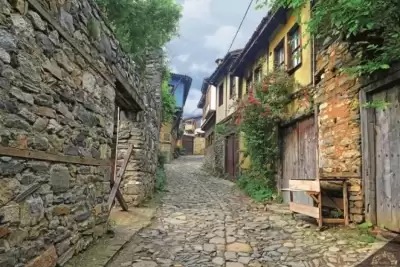
The most distinctive feature of the mosque from the outside is its wall masonry, alternating three rows of brick and one row of rubble stone. This texture creates a striking contrast, especially in the side light of morning or afternoon. Framing the general facade of the structure and the historical street texture in its immediate vicinity together would be a good choice to reflect the atmosphere of the early Ottoman period.
Things to Know Before Visiting
Ali Pasha Mosque is an active place of worship. It is necessary to be quiet and respectful during the visit; entry may not be possible during prayer times. Female visitors are expected to cover their heads and avoid short clothing. Shoes must be removed before entering. Since the structure was damaged in the 1854 earthquake, some parts may have been restored; it is advisable to avoid using flash when taking photos to preserve the original texture.
What to Eat Nearby?
Osmangazi district hosts Bursa's most established culinary venues. İskender kebap is the symbol of Bursa, and it is possible to taste its authentic form in established restaurants around the historical bazaar. İnegöl meatballs, candied chestnuts, and Bursa peaches are also among the flavors that must be tried. Small restaurants in the Khans Region offer both affordable and authentic options.
Ali Pasha Mosque Videos
Ali Pasha Mosque videos load when you open this section to keep the page fast.
Show videos
FAQ

Updated: