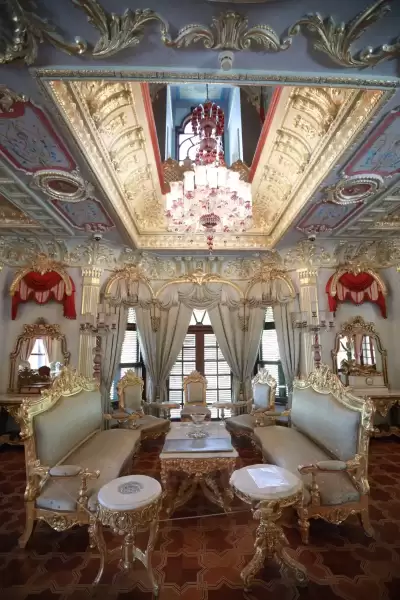
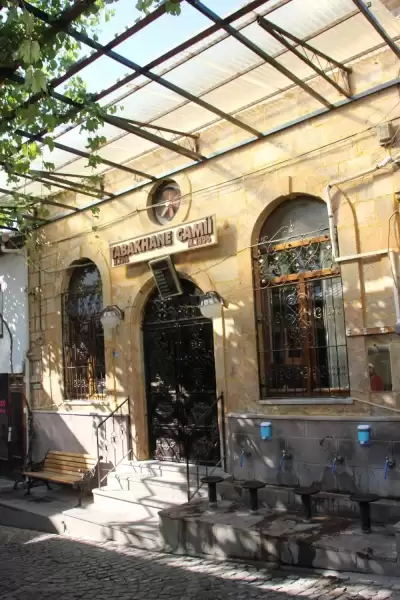
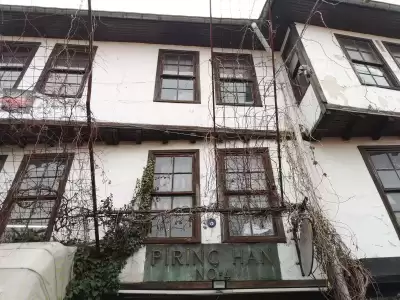
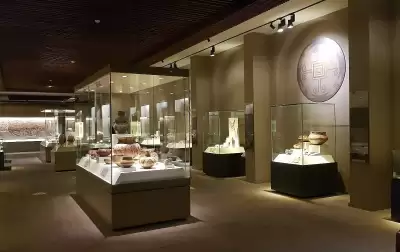
Ankara Houses are 17th-19th century wooden and adobe structures located in the Hamamönü district; they are the most important examples of two-story Ottoman-era houses reflecting Ankara's traditional residential architecture.
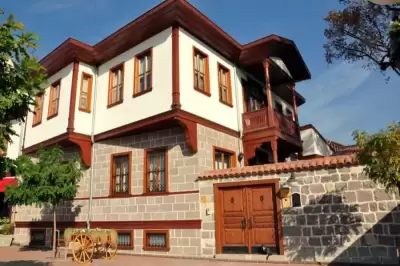
When Ankara is mentioned, a modern capital usually comes to mind; however, when you start wandering through the city's historical neighborhoods, you encounter a completely different Ankara. Ankara Houses are traditional, mostly two-story structures built of wood and adobe, bearing the traces of the Ottoman period. A limited number of these houses, which have survived from the 17th, 18th, and 19th centuries, were built using stone or adobe on the lower floors, and a wooden frame and infill technique on the upper floors.
The place where these houses can be seen most densely together is the Hamamönü district. Restored street facades, colorful wooden-shuttered buildings, and cobblestone alleys give visitors a sense of traveling back in time. It is also possible to find original examples around Ankara Castle and at various points in the Altındağ district. For those who want to see the historical fabric firsthand, Hamamönü remains an indispensable stop for both photography and cultural exploration.
Guide's Note
What are Ankara Houses?
Ankara Houses are the most concrete representatives of traditional residential architecture from the Ottoman period in the capital. A limited number of these structures, dating from the 17th, 18th, and 19th centuries, were built with stone or adobe on the lower floors and a wooden frame and infill materials on the upper floors. Mostly two-story, these houses create a unique silhouette with their facades, wide eaves, and bay windows.
The place where this architectural tradition is best preserved and presented most comprehensively to visitors is the Hamamönü district. The structures here have undergone an extensive restoration process; street facades, along with their wooden window shutters, have been restored to their original colors. Around Ankara Castle and in various neighborhoods of Altındağ, it is possible to find less restored, sometimes worn but original examples.
When to Visit?
The most enjoyable time to visit Ankara Houses and the streets of Hamamönü is during the spring and autumn months. Between April-May and September-October, the weather is mild, and the streets are not crowded. In summer, Ankara's heat can be quite oppressive during midday; therefore, it is more appropriate to plan summer visits for early morning or late afternoon.
For those who want to take photos, the first hours of the morning are golden: when the streets are still deserted and the light comes from a low angle, the wooden facades and stone textures look much more impressive. In winter, after snowfall, the streets of Hamamönü gain a completely different atmosphere; however, keep in mind that the cobblestone surfaces can be slippery.
How to Get There?
Reaching the Hamamönü district, where Ankara Houses can be seen most densely, is quite easy. You can reach Hamamönü by walking approximately 10-15 minutes from the Ulus station on the M1 line of the Ankara Metro. Along the way, you will pass historical sites such as Hacı Bayram Veli Mosque and Ankara Castle; this makes the route enjoyable in itself.
It is also possible to easily reach the Altındağ and Ulus regions by EGO buses. For those coming by car, public transport or a taxi would be more practical as there is limited parking in the area. Thanks to its proximity to other tourist attractions in the city, Hamamönü can easily be included in a walking tour itinerary of Ankara.
Suggested Route
For those who want to see Ankara Houses most efficiently, the following route can be a good starting point: Start in Ulus, visit the Hacı Bayram Veli Mosque, and then ascend to Ankara Castle. While walking along the castle walls, you can see both the city view and the historical building fabric together.
Descend from the castle and delve into the streets of Hamamönü. Examine the facades of the restored Ankara Houses, with their wooden window shutters and bay windows. Take a break in the small cafes and tea gardens in the alleys to better feel the atmosphere of the district. Those who wish to extend the route can walk from here to the Museum of Anatolian Civilizations; the museum is also right at the foot of Ankara Castle.
Photo Spots
Hamamönü deserves to be one of Ankara's most photogenic corners. The facades of the restored Ankara Houses, especially in the morning light, offer captivating shots with their wooden textures and colorful paints. The narrow cobblestone streets, with two-story houses rising on either side, are perfect for perspective photography.
Looking at the Hamamönü district from the walls of Ankara Castle, the tiled roofs and historical street fabric are seen together; this angle is also quite impressive. Details of wooden window shutters, stone wall surfaces, and flowered balconies offer interesting subjects for close-up shots. During the golden hour, known as sunrise and sunset, the light captures a particularly soft and warm tone on these historical structures.
What to Eat, Where to Eat?
In the Hamamönü district, there are numerous small cafes and restaurants opened on the ground floors of restored Ankara Houses. Most of these establishments offer traditional Turkish breakfast, homemade desserts, and tea service. Sitting in a historical building and drinking coffee or tea allows you to feel the atmosphere of the district more deeply.
In Ulus and its surroundings, there is a wider range of food and drink options. Ankara's unique Ankara tava and lamb dishes can be counted among the traditional flavors of the region. The district's cafe culture has developed significantly in recent years, with an increasing number of establishments catering to both local and visitor clientele.
Things to Know Before Visiting
Most of the streets in Hamamönü are cobblestone and sloped; therefore, it is important to choose comfortable walking shoes. Especially after rain, stone surfaces can be slippery, so it's good to be careful. Wheelchair and stroller use is difficult due to the narrow and sloped streets.
Since most of the restored buildings are used as private property or businesses, it is important not to enter interiors without permission. When taking photos, it is important to be respectful of local residents and businesses to preserve the vibrant neighborhood fabric. Finding an ATM in the area can sometimes be difficult, so carrying cash will be practical.
This content originates from neresigezilir.com.tr and may not be copied without permission.
Ankara Houses Videos
Ankara Houses videos load when you open this section to keep the page fast.
Show videos
FAQ

Updated: