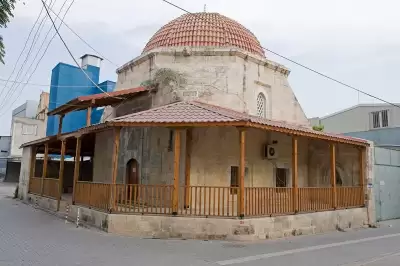
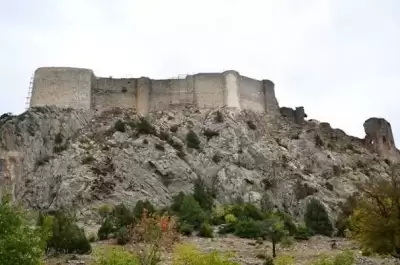
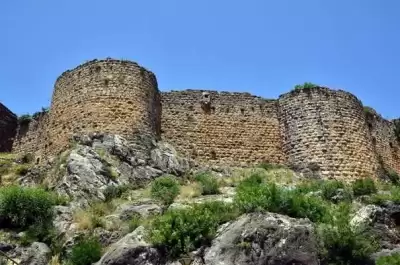
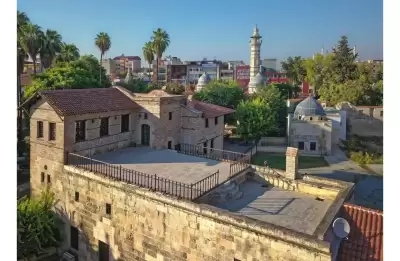
Located 27 km east of Adana on the Ceyhan River, Misis Mound is a significant archaeological site in Çukurova, boasting 7,000 years of continuous settlement from the Neolithic to the Middle Ages; its adjacent Roman-era stone arch bridge highlights the ancient city of Mopsuhestia's strategic position on the Silk Road.
Located approximately 27 km east of Adana city center, within the borders of Yakapınar Town, Yüreğir district, Misis Mound and Bridge represents one of the most ancient settlement areas of the Çukurova Basin. This ancient city, whose ancient name was Mopsuhestia, was founded on the fertile banks of the Ceyhan River (anciently known as Pyramos) and was continuously inhabited over a wide period extending from the Neolithic era to the Middle Ages. Archaeological studies conducted on the mound reveal the profound historical depth of the region.
Standing right next to the mound, the Misis Bridge is a structure that carries the engineering understanding of the Roman period to the present day. This stone arched bridge, built over the Ceyhan River, served as an important crossing point on the Silk Road route for centuries, bearing the footprints of merchants, armies, and pilgrims. When its historical texture combines with the river view and the surrounding Çukurova plain, an atmosphere emerges that captivates both history enthusiasts and photography lovers.
Guide's Note

Misis Mound and Bridge is a historical site with a deep past, located near Adana on the banks of the Ceyhan River. Most visitors highlight the Roman-era bridge as the most striking element of this place; it is emphasized that the structure is generally well-preserved and offers an impressive view with the river scenery. It is also noted as an attraction for those who want to see the powerful flow of the Ceyhan River firsthand.
However, multiple visitors draw attention to the deep disparity between the historical value of the area and its current condition. In contrast to the well-maintained appearance of the bridge, there is a common perception that the surrounding mound ruins and open areas are neglected.
- Environmental neglect: Many comments reiterate that the ruins outside the museum and their surroundings are not kept clean, and there is a problem with litter in the streets and open areas.
- Insufficient arrangement: It is believed that the general arrangement of the area is inadequate compared to its historical importance; visitors express that they expect better preservation and presentation.
Best Time to Visit
Considering that summers in Adana are quite hot and humid, the period between October and April is the most comfortable time to visit Misis. Especially in March and April, the surrounding Çukurova plains turn lush green; the vegetation around the mound and the sound of the river transform the visit into a completely different experience. In autumn, the light is softer, creating ideal conditions for photography. If you have to come during the summer, choose the early morning hours, preferably between 08:00-10:00; you will be protected from the heat and find the area quieter.
How to Get There
The most practical way to reach Misis Mound and Bridge is by private car. From Adana city center, follow the D-400 highway in the direction of Ceyhan, and you will reach the Yakapınar junction at approximately the 25-27th kilometer. Turn off here towards Yakapınar and continue for another 2 km to arrive at the site; the total journey takes about 30 minutes.
If you prefer public transport, you can take minibuses from Adana bus terminal on the Yakapınar or Misis route. Minibuses will drop you off at the last stop; from there, the bridge is a short walk away. We recommend checking minibus schedules with locals or the bus terminal information desk before your trip.
History of Misis: Layer by Layer Past
Misis, when considered together with the mound it is built upon, has a continuous settlement history of approximately 7,000 years. Inhabited since the Neolithic period, this area was known as Mopsuhestia in ancient times and became one of the most important cities in the Çukurova Basin. According to legend, the city's name comes from the heroic seer Mopsos, who crossed into Anatolia after the Trojan War.
During the Roman and Byzantine periods, the commercial and strategic importance of the region further increased; the city became a key stop on the Silk Road. The bridge built over the Ceyhan River is also a concrete proof of this vibrant trade life. Misis maintained its importance throughout the Middle Ages, becoming a small settlement by the Ottoman period; today, it opens its doors to visitors as an archaeological site.
Photography Spots
Misis Bridge is an extremely fertile location for photography. The reflection of the stone arches in the Ceyhan River offers captivating shots, especially in the early morning and during the golden hour in the evening. Descending to the lower part of the bridge and framing the arches from above also yields very impressive results.
From the top of the mound, the panoramic view extending over the Çukurova plain creates a perfect opportunity for wide-angle lenses. Photographs taken from the mound top during spring, when the surrounding agricultural lands turn green, combine the historical depth of the area with the vitality of nature. Portrait photos taken by the river with the bridge are also quite popular.
Things to Know Before Visiting
Since the area is an open-air archaeological site, please be careful not to damage the structures or stones on the mound. As the ground around the bridge and mound can be uneven, we recommend wearing comfortable, closed-toe shoes.
Shaded areas are quite limited in summer; don't forget to bring plenty of water, a hat, and sunscreen. There may not be places selling food and drinks nearby; you can meet your needs at the Yakapınar junction. If you are coming with small children, please remember that you need to be careful by the river.
Adana Southeast Route: Misis and Surroundings
You can plan Misis as a standalone day trip or combine it with other historical sites in eastern Adana. Start early in the morning from Adana and first visit Misis Mound and Bridge; then proceed to Ceyhan district to explore its historical bazaar and mosques. In the afternoon, on your way back to Adana, you can also add the city's symbol, the Stone Bridge, and the Grand Mosque to your itinerary. This route allows you to experience the historical layers of Çukurova in a single day.
Food and Drink
Restaurant options immediately around the Misis area are quite limited. In Yakapınar Town, there are small local eateries and coffee houses where you can take a tea break. For a more comprehensive dining experience, you will need to return to Adana city center.
When you return to Adana, be sure to try the city's world-famous Adana kebab. Historical restaurants along the Seyhan River best reflect the city's gastronomic heritage. Şalgam suyu (turnip juice) and sherbet are also indispensable drinks on Adana tables.
This content originates from neresigezilir.com.tr and may not be copied without permission.
Misis Mound and Bridge Videos
Misis Mound and Bridge videos load when you open this section to keep the page fast.
Show videos
FAQ
Updated: