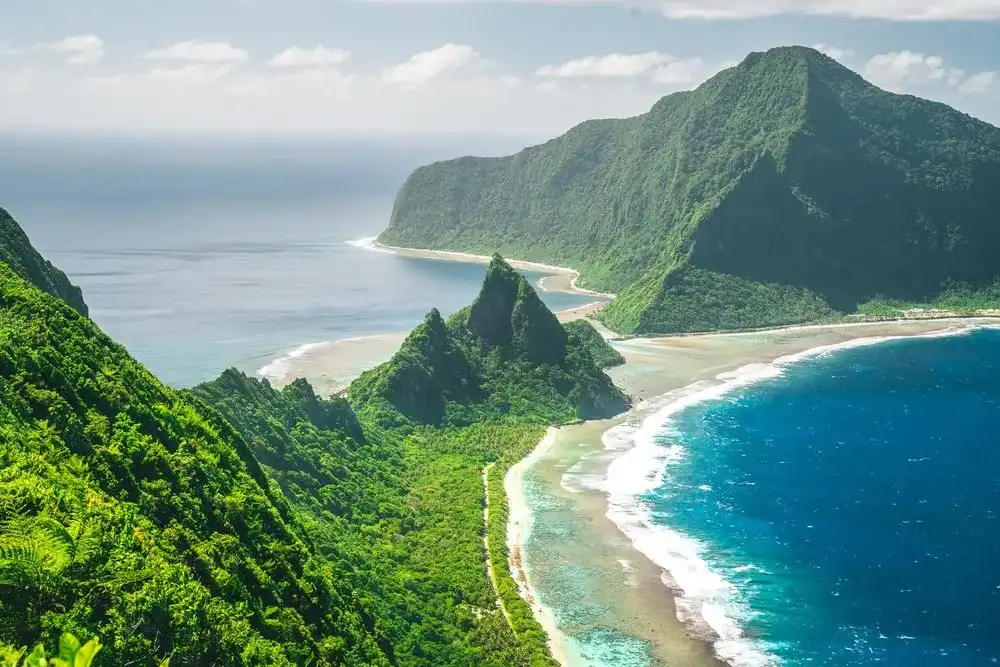
Samoa
The Independent State of Samoa is an island nation located in the South Pacific, consisting of nine islands. Its largest island is Upolu, where the capital Apia is located. Samoa is a vibrant center of Polynesian culture…
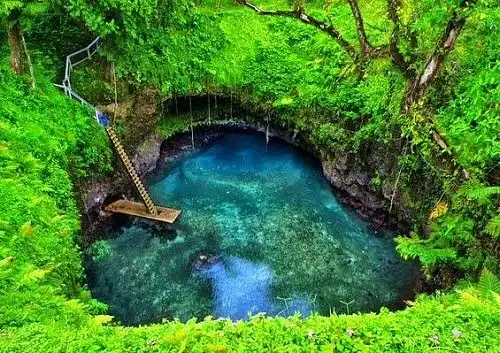


When to Visit?
The ideal time to visit Samoa is between May and October, which is the dry season. During this period, the weather is warm but not humid, and rainfall is at a minimum. November to April is known as the cyclone season; these months can be rainier and riskier.
In summer (December-February), the weather is very hot and humid, but it can still be suitable for sea activities. Most importantly, plan according to your personal preferences and budget. If you want to avoid crowds, it might be better to go at the beginning of the rainy season (November).
How to Get There?
There are no direct flights from Turkey to Samoa. Flights usually connect through hub cities such as Doha, Dubai, Hong Kong, or Auckland. The most common route is via Doha or Singapore. The total flight duration can vary between 24-36 hours, including transfers.
Samoa's main gateway is Faleolo International Airport, which is approximately 45 kilometers from Apia. You can use taxis, rental cars, or hotel transfer services to get to the city from the airport. For Turkish passport holders, please confirm visa information from official sources.
Getting Around the Island
In Samoa, the main modes of transport are buses and minibuses; these are cheap and widely used by locals. In Apia, minibuses operate on specific routes, and boarding points are located near the central market. Taxis are also available, but it's a good idea to agree on the price beforehand. If you want to move around more comfortably and freely, you can opt for a rental car.
There are ferry services between Upolu and Savaii islands, which is a non-touristy form of inter-island travel. Walking tourism is also popular; especially in central Apia, many places are within walking distance, providing a comfortable experience.
How Many Days Are Enough?
At least 5-6 days are needed to see the main sights of Samoa. This duration will be sufficient if you want to get a comfortable overview of Apia, the natural areas in Upolu, and Savaii island. For a deeper experience, 8-10 days is ideal; this way, you can allocate time for activities like diving, snorkeling, and hiking.
You can spend the first 2-3 days in and around Apia (Samoa Cultural Village, waterfalls, museum, etc.), and the remaining days in other parts of Upolu and on Savaii island. Those who want to incorporate cultural life should plan a slightly longer stay.
Suggested Itinerary
Day 1: Arrival at Apia from the airport, check-in to hotel, orientation in central Apia. Day 2: Visit Samoa Museum and Samoa Cultural Village, explore the local market. Day 3: Day trip in Upolu; visit Fuipisia Falls and Sopoaga Waterfall. Day 4: Relax and enjoy sea activities at Aganoa Black Sand Beach or other beaches.
Day 5: Ferry crossing to Savaii island, accommodation on the island. Day 6: Explore natural areas in Savaii (waterfalls, rivers, Tais Native Experience, etc.). Day 7-8: Visit more beaches, diving and snorkeling, cultural experience. If you have time, complete any last-minute shopping and sights in Apia on the final day.
Accommodation Options
Apia has hotels for all budget categories. Mid-range hotels are priced around 100-200 dollars per night, while luxury options are higher. For an affordable holiday, guesthouses and Airbnb options are also available; this is a good choice especially for those who want to get closer to local life.
Accommodation in Savaii is calmer and closer to nature; beach resorts and ecovillages are popular but a bit more costly. If you prefer to stay in central Apia, you will have easier access to activities. When making reservations, keep in mind that occupancy may increase on weekends and local holidays.
Food and Drink
Samoan cuisine is rich in tropical produce, fish, and coconut. Palusami (taro leaves cooked with coconut milk), oka (seafood), and falafel-like fried dishes are common. You can find many restaurants in central Apia; prices are moderate, but a bit more expensive in tourist-heavy areas.
You can buy bananas, coconuts, fresh fish, and vegetables from the local market and cook your own meals. International chain restaurants are also available in Apia. Tap water is safe to drink, but bottled water is also readily available. Travelers who enjoy eating fish by the sea should definitely visit local seafood restaurants.
Shopping
Markets in central Apia (especially the central market) are great places for local products, fruits, and handicrafts. Samoan tapa cloths, wood carvings, and traditional jewelry are common souvenirs. Prices are reasonable and bargaining is possible. For modern shopping, there are SamoaTua Shopping Center and the Flea Market.
Shops in tourist areas are more expensive but quality is guaranteed. International brands are limited in Apia; if you have specific needs, it's a good idea to prepare before coming to the country. Samoan handicrafts and available products are unique and original, making the shopping experience truly enjoyable.
Budget Estimate
Daily expenses vary between 50-150 dollars depending on the visitor's preference. For cheap travel, using guesthouses and local restaurants, 60-80 dollars/day is possible. A mid-range tourist can have a comfortable experience with a budget of 100-130 dollars/day. With luxury accommodation and dining, you may need to spend 150+ dollars/day.
Airport transfers, daily tours, and activities (diving, ferry, etc.) are additional costs; these can range from 30-100 dollars. When calculating all expenses, a 6-day Samoa holiday may require a budget of around 2000-3500 dollars (excluding flights). You can save money by booking early and planning before peak hours.
Things to Consider
There are no very dangerous animals in Samoa, but there may be eels and certain fish in the sea. Prefer to go with a guide for marine activities. Property damage can be common during the rainy season; consider drainage and flood risk. Sandflies can be problematic in the evenings; insect repellent and long clothing are helpful.
Bicycles are culturally important in Samoa; bicycle theft is a serious crime with heavy penalties. Money exchange should be done centrally, and there are ATMs without fees. Power outages are rare but possible. Samoan people are warm and hospitable; if you want to take photos with local children, it's customary to ask for permission beforehand.
Photo Spots
Samoa Cultural Village offers good photo opportunities with its traditional architecture and colorful costumes. Fuipisia and Sopoaga waterfalls are unmissable for their natural beauty. The dark color of Aganoa Black Sand Beach and the ocean view are ideal for dramatic photos. The sunset photo of Apia harbor offers a classic Pacific scene.
Taisaoga Springs (hot springs) in Savaii are famous for their colorful mineral waters and unusual scenery. Boat tours around Manono Island provide great sea and island landscape shots. Local markets and stalls are excellent for capturing everyday Samoan life. Sunrise and sunset hours paint structures and seas in golden hues.
General Information
Samoa is located in the Polynesian region, in the middle of the Pacific Ocean, between Fiji and Tonga. The country, consisting of two main islands, Upolu and Savaii, has official languages of Samoan and English. Its population is approximately 200,000, and its capital is Apia. It gained independence in 1962 and has become a nation that preserves strong Polynesian culture and traditions.
The currency is tala (WST), with approximately 1 dollar = 2.7 tala. The country has a tropical climate, so it is hot all year round, but May-October is dry and more comfortable. The time zone is UTC-13, 15 hours ahead of Turkey. The local people are very friendly to foreign visitors; showing cultural respect and learning local traditions makes the experience very valuable.
This content originates from neresigezilir.com.tr and may not be copied without permission.
Places to Visit
No places found for this filter.