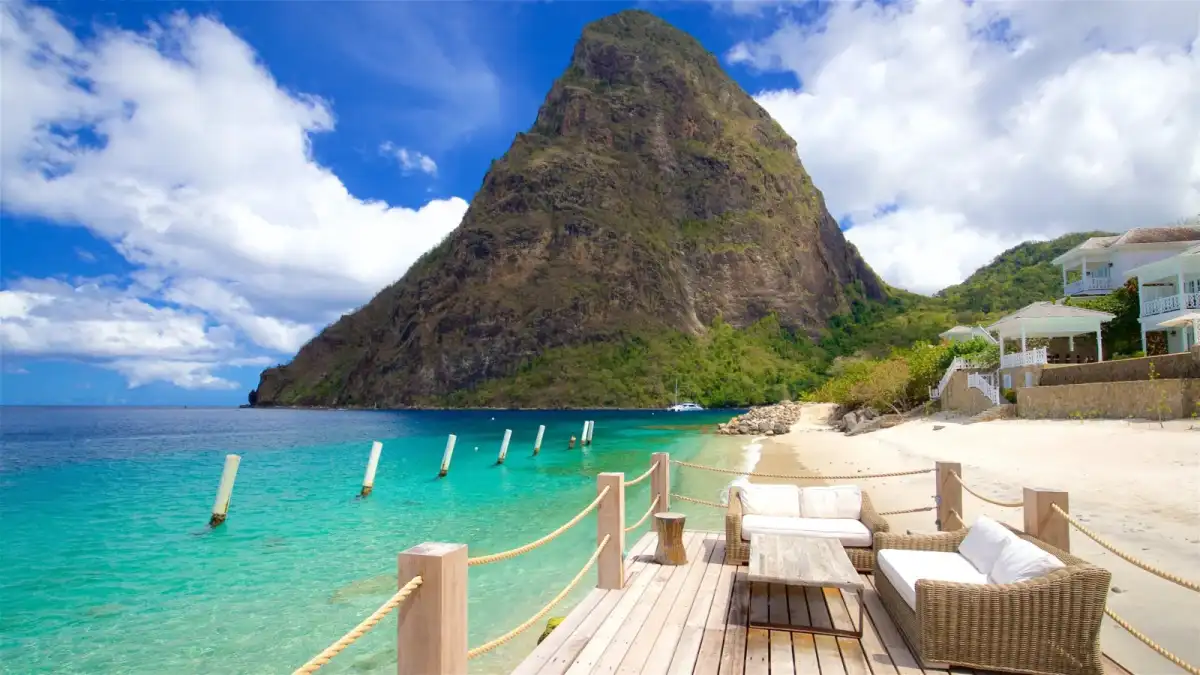
Saint Lucia
Saint Lucia, located between the southern Caribbean Sea and the Atlantic Ocean, is one of the most attractive islands in the Lesser Antilles region. This island nation, part of the Commonwealth, captivates visitors with …


Best Time to Visit
The best time to visit Saint Lucia is during the dry season, between December and April. During these months, the weather is warm and sunny, with minimal rainfall. If you want to avoid the peak holiday season, you might consider going between May and November; this period is quieter and prices are more affordable.
The rainy season begins in the period leading up to November, but visitors can still be found. If you want to avoid storms, it's best to stay away from September and October. Diving and water sports are best enjoyed from May to October.
How to Get There
There are no direct flights from Istanbul to Saint Lucia. Generally, one travels via connecting flights through the United States, Caribbean hub airports, or Europe. Hewanorra International Airport (UVF) is the island's main gateway, and you can choose the most suitable route by verifying current information from official sources.
Car rental is common for transportation within the island, but the roads are quite narrow and steep, containing many curves and blind spots. If you prefer not to drive, you can use guided tours or taxi services. Boat tour companies are also a good alternative for exploring areas around the island.
Getting Around the City
In the capital city of Castries, you can walk around the city center, see local markets and its colorful architecture. Derek Walcott Square is considered the heart of the city and is the focal point of the city's social life. Castries harbor is an ideal location to start exploring and engaging in sea activities.
Local transportation is available to visit other villages and towns on the island, but it's advisable to research in advance as they operate on irregular schedules. In small villages like Choiseul and Laborie, you can experience local Creole culture, flora, and see cocoa plantations at Morne Coubaril Estate.
How Many Days to Stay
At least 5-7 days are sufficient to comfortably see the main attractions of Saint Lucia. During this time, you can visit the Pitons, enter the hot springs at Sulfur Springs Park, and experience the beauty of Marigot Bay. If you are interested in diving and water sports, it would be good to allocate extra days.
If you want to explore different regions of the island in depth, get to know local life more closely, and also consider relaxation, 8-10 days becomes an ideal period. Even 4-5 days can provide an enjoyable trip for a short weekend getaway, but you would need to move very quickly.
Suggested Itinerary
Day 1: After arriving in Castries, get to know the capital, visit Derek Walcott Square, and explore the local market. Days 2-3: Head to the Soufrière region, admire the magnificent view of the Pitons, and visit the natural hot springs at Sulfur Springs Park. Day 4: Swim in the beautiful bay of Marigot Bay or join a boat tour. Day 5: Experience diving or water sports, take a boat trip around the island.
Days 6-7: Visit villages like Choiseul or Laborie to experience local culture, and you can see cocoa harvesting at Morne Coubaril Estate. On your return day, shop for souvenirs in Castries and spend your last moments on the beach.
Accommodation Options
There are hotels to suit every budget in and around Castries. Luxury establishments like Grand Saint Lucia and Regency Saint Lucia are superb in terms of comfort and service. Mid-range hotels are located in the city center and along the coast, combining good service with reasonable prices.
If you stay in the Soufrière region, you will be closer to the Pitons and can start early morning excursions. Hotels in Marigot Bay offer a romantic setting. If your budget is limited, guesthouses and Airbnb options can also be preferred; local hosts are usually hospitable and kind.
Food and Drink
Saint Lucia's cuisine has Creole roots and is rich in seafood. Mahi-mahi, snapper, and lobster are frequently consumed fish here; it is recommended to eat them grilled. Local specialties include dasheen, kallaloo, and breadfruit. Shark soup (callaloo soup) is a famous dish of the island, worth experiencing.
In coastal towns, you'll find small restaurants and shops; locals prefer their daily menus here. At restaurants like Piton's Creole Cookery, you can dine while enjoying the Caribbean view from your table. Cadbury's Piton chocolate is a famous product of the island, also worth buying as a gift.
Shopping and Local Products
In the Castries market area, you can find local products, spices, fresh fruits, and vegetables. Markets and bazaar areas are ideal for buying handicrafts and local artisanal works. Piton Rum and Piton Beer are famous alcoholic products of the island; you can take them out of the country, but you should check customs regulations beforehand.
Cocoa and cocoa products, coconut soaps, woven and patterned items are sold in local museum gift shops. International brands are available in luxury mall areas, but prices are higher. Local artists' handicrafts are more unique and affordable; supporting them also helps the island's economy.
Budget Guide
A daily mid-range budget (accommodation, food, activities) varies between 80-120 dollars per person. Those looking for a luxury vacation can spend more than 200 dollars a day. Flight ticket prices vary by season; they are more expensive in the dry season and cheaper in the rainy season.
Buying food at the local market is cheap, while restaurants in tourist areas are expensive. Boat tour, diving, and guided tour prices range from 50-150 dollars. The currency is the East Caribbean Dollar (EC$), and the US dollar is also widely accepted. Credit card use is possible, but cash is preferred in small businesses.
Points to Consider
Roads are quite narrow, steep, and winding, so it is recommended that drivers be experienced. Traffic flows on the left, which may be unfamiliar to some visitors. It is not recommended to walk alone at night for safety reasons. In some neighborhoods of Castries, caution may be needed, but the main tourist areas are safe.
When engaging in sea activities, you should use high SPF sunscreen, as UV radiation is very strong here. It is important not to jump into the hot springs without testing the water temperature and to follow the advice of local guides. Purchasing travel insurance, especially if you plan to dive, is a wise decision.
Worthwhile Photo Spots
The Pitons are the iconic image of Saint Lucia; you can photograph them from Soufrière Bay or from boat tours. These mountains, a UNESCO World Heritage site, offer magnificent photos, especially at sunset. The blue waters and palm trees of Marigot Bay provide views commonly seen on postcards.
The light of Castries harbor in the morning and evening is beautiful, and good photos can be taken with the colorful architecture of the capital. The colors and steam of the hot springs in Sulfur Springs Park are valuable for nature photographers. The fishing boats and local life of Choiseul village offer images reflecting authentic Caribbean life.
General Information
Saint Lucia is an independent island nation within the Commonwealth, located between the Caribbean Sea and the Atlantic Ocean. The official language is English, and French is also widely spoken. The population is approximately 180,000, mostly people of Creole descent. The currency is the East Caribbean Dollar (EC$), but the US dollar is also widely accepted.
Citizens of 114 countries can enter Saint Lucia as tourists without a visa; it is advisable to check this beforehand. Vaccination requirements may depend on the country, please contact your health provider before traveling. The island has been independent since 1979, and its symbol is the Pitons. Creole festivals, music, and dance reflect a rich heritage related to the island's culture.
This content originates from neresigezilir.com.tr and may not be copied without permission.
Places to Visit
No places found for this filter.