Peru
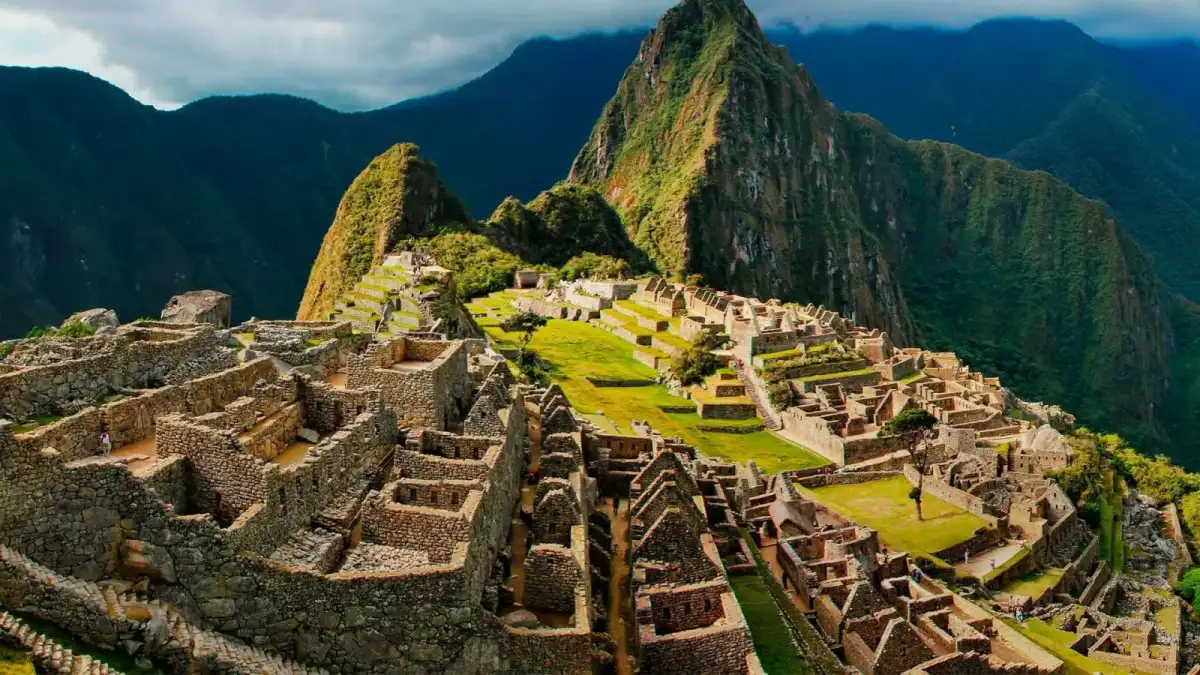
Peru, located in western South America, is a country with a history dating back ten thousand years. Home to one of the world's most famous archaeological sites, Machu Picchu, Peru is a treasure not only for history enthu…

When to Go?
The ideal time to visit Peru is between May and September. These months constitute the dry season, with clear and pleasant weather, especially in the Cusco and Machu Picchu regions. During the rainy season (November-March), roads can be muddy and visibility reduced, but there are fewer tourists and prices are lower during this period.
If you want to explore the Amazon rainforest, the region is more vibrant during the rainy season (April-September). If you are going to high-altitude regions, allow time for your body to acclimatize. Avoid engaging in very strenuous activities during the first few days.
How to Get There?
To fly to Peru from Turkey, you need to reach Lima (the capital). Flights usually depart from Istanbul and arrive in Lima with one or two layovers. American Airlines, LATAM, and other airlines regularly operate these routes. Flight duration varies, averaging between 20-24 hours with one layover.
You have several options for transportation within Peru. You can go to Cusco by plane, bus, or train. Taking the train from Cusco to Machu Picchu is the most popular way. To reach the Amazon region (Iquitos), a flight is required. Intercity bus travel is an economical but long option.
Getting Around the City
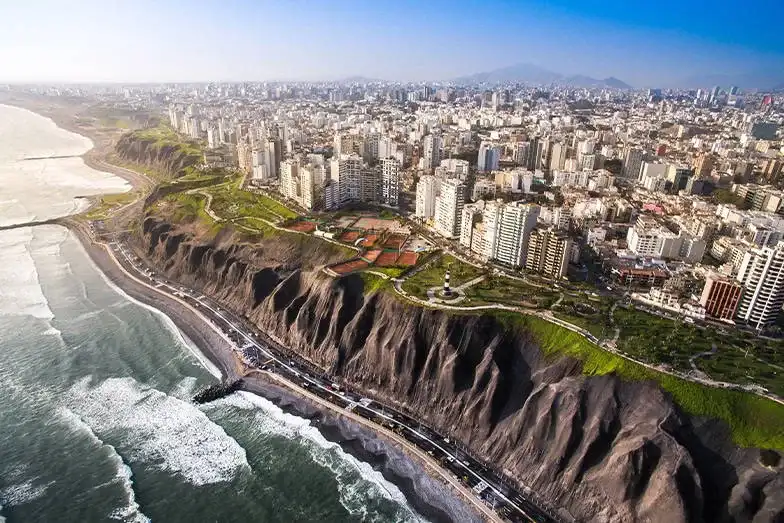
In Lima, taxis, Uber, and public transport (buses, metro) are preferred. The Miraflores and Barranco districts in the city center are tourist-friendly and worth exploring. Lima's coastline is beautiful; you can watch paragliders over the Pacific or walk on the beaches. Spanish architecture dominates the historic center of the city, and the area around Plaza De Armas is suitable for walking.
In Cusco, most tourist attractions are within walking distance. Plaza De Armas is a central starting point. Due to the high altitude (3,400 meters), I recommend moving slowly on the first day. Popular routes for visiting Inca ruins like Sacsayhuaman and Qoricancha are also offered by guided tours.
How Many Days Are Enough?
If you can allocate 10-14 days to Peru, you will have a comfortable travel experience. A minimum of 7 days is also possible but will be rushed. A typical itinerary can be planned as: 2-3 days in Lima, 3-4 days in Cusco and its surroundings (Sacred Valley, Machu Picchu), 2-3 days in the Amazon, or 2 days in Nazca/Arequipa.
If you only want to see Machu Picchu and Cusco, 5-6 days are sufficient. However, considering the diversity Peru offers (Amazon rainforests, Nazca Lines, Lake Titicaca, Rainbow Mountain), allocating more time will be appealing. Time is needed to reach each region and for acclimatization.
Suggested Itinerary
A classic Peru itinerary can be as follows: Start by staying 2 days in Lima, taking city tours and exploring the Miraflores district. Then fly to Cusco. Spend 2-3 days in Cusco, visiting Plaza De Armas, Qoricancha, and Sacsayhuaman. On the third day, take a day trip to the Sacred Valley. On the fourth day, take the train to Machu Picchu, have lunch at that magnificent place, and return.
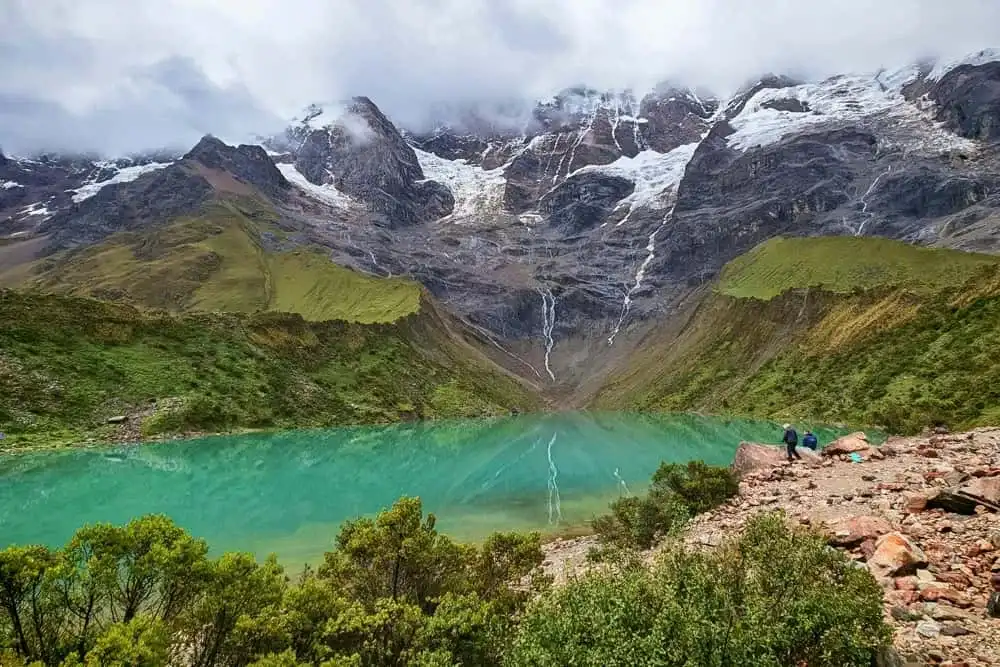
If you have time, you can leave Cusco and join the Rainbow Mountain trek or go to the Amazon rainforest via Puerto Maldonado. Taking a flight over the Nazca Lines on your return to Lima is also a popular option. If you want to visit Lake Titicaca, a 10-hour bus journey from Cusco to Puno is required.
Where to Stay?
In Lima, staying in the Miraflores or Barranco districts is more comfortable for tourists. More economical options are found in the city center. In Cusco, there are many options; if you stay near Plaza De Armas, everything is within walking distance. More comfortable and higher-priced hotels are also available in Cusco, it's worth doing some research beforehand.
Staying in Aguas Calientes, the town near Machu Picchu, is also popular; the train arrives in this town, and you can go up to Machu Picchu early in the morning. In Arequipa, Puno, and other cities, there are accommodation options for every budget. Hostel and Airbnb options are ideal for budget travelers.
What to Eat?
Peruvian cuisine is recognized by UNESCO as one of the best cuisines in the world. Ceviche (marinated fish) is the national dish, and its taste is especially distinct in coastal cities. Lomo saltado (grilled steak) and aji de gallina (chicken and pepper sauce dish) are also very popular. As the homeland of potatoes, potato and corn dishes are common.
In the high-altitude Andes, alpaca and quinoa-based dishes are served. Caldo de papa (potato soup) is a staple. In the Amazon, fresh fish species and tropical fruits are eaten. You must try Peruvian corn; it is sweet and delicious. Be prepared to discover different flavors in each region; although restaurant names are in Spanish, many places have photo menus.
Shopping
Traditional handicrafts in Peru make great gift options. Alpaca wool products (sweaters, scarves, hats), textiles, and carpets from the Andes are popular purchases. Antique markets can be found in Cusco and Lima. Artworks and miniatures related to the Nazca Lines are also in demand among tourists. Plaza De Armas and San Pedro Market in Cusco are central places for shopping.
In Lima's Miraflores district, there are modern shopping centers. Markets are reliable places for handicraft products; prices can be negotiated for the same item. Ceramics, copper items, and jewelry are also typical souvenirs. Care should be taken with jewelry, and its quality should be checked. You might want to buy coca tea (a tonic tea); it's good for high altitudes.
Budget Planning
Peru is a mid-range budget country. Daily expenses vary depending on the person and preference. A hostel room is 30-60 soles (Peruvian currency), a mid-range hotel is 80-150 soles, street food is 10-15 soles, and a restaurant meal is around 30-60 soles. Transportation is cheap; city buses are 1-2 soles, and long-distance buses are also economical. The entrance fee for Machu Picchu is one of the items that requires prior research; prices may change annually.
Guided tours, Machu Picchu train tickets, and flights are extra expenses. For two weeks, a budget of 3,000-4,000 dollars (economical) or 5,000-6,000 dollars (comfortable) can be planned. Prices fluctuate according to the season; it is more affordable during the rainy season. In addition to places that accept dollars and euros, withdrawing cash from ATMs is also safe.
Things to Pay Attention To
There is an issue with high altitude (Cusco 3,400 meters, Puno 3,860 meters). Do not move quickly on the first few days, drink plenty of water, and avoid heavy foods. Altitude sickness is a normal condition. Coca tea can help. The sun is very strong; always bring high SPF sunscreen and a hat. During the rainy season, roads can be wet and slippery.
For safety, especially late at night, travel with a guide or in groups. Do not display your valuables openly. Be careful in tourist areas, as pickpocketing can occur. It is recommended to buy bottled water; be careful not to drink local tap water. Medical insurance is important. Familiarize yourself with the currency (sol) beforehand and know the exchange rates.
Best Places for Photography
Machu Picchu is, of course, at the top of the list; go early in the morning and take photos among the clouds before the mist dissipates. In Cusco, the area around Plaza De Armas looks great, especially with churches and Inca walls as a backdrop. Photos of Cusco city from Sacsayhuaman are very beautiful. The colors of Rainbow Mountain (Vinicunca) might yield some of the most impressive photos in Peru.
In the Sacred Valley, photographing the ancient city of Ollantaytambo and its terraced fields is very rewarding. Lima's coastal cliffs and walking areas in the Miraflores district are perfect for sunset. The blue of Lake Titicaca, especially the islands on it, offers naive and enjoyable views. Photos of flora and wild life in the Amazon can only be obtained by going there.
General Information About Peru
Peru is a country located on the western coast of South America, the heart of the Inca civilization. Its capital, Lima, is located on the Pacific coast. The official language is Spanish, and Quechua and other indigenous languages are spoken in some regions of the Andes. The currency is the Peruvian Sol (PEN). The population is approximately 34 million, and the country has a very diverse geography: the Andes Mountains, the Amazon Rainforest, and the Pacific Coast.
The Inca Empire came under Spanish rule in the 16th century, but its historical legacy is still strongly felt today. Peru is a destination rich in UNESCO World Heritage sites due to its biological diversity, cultural richness, and archaeological importance. Tourism is a significant source of income for the economy. The country's time zone is UTC-5 (UTC-4 during winter months). You should check official sources for current information on visa requirements and vaccination recommendations.
This content originates from neresigezilir.com.tr and may not be copied without permission.
Places to Visit
No places found for this filter.