Panama
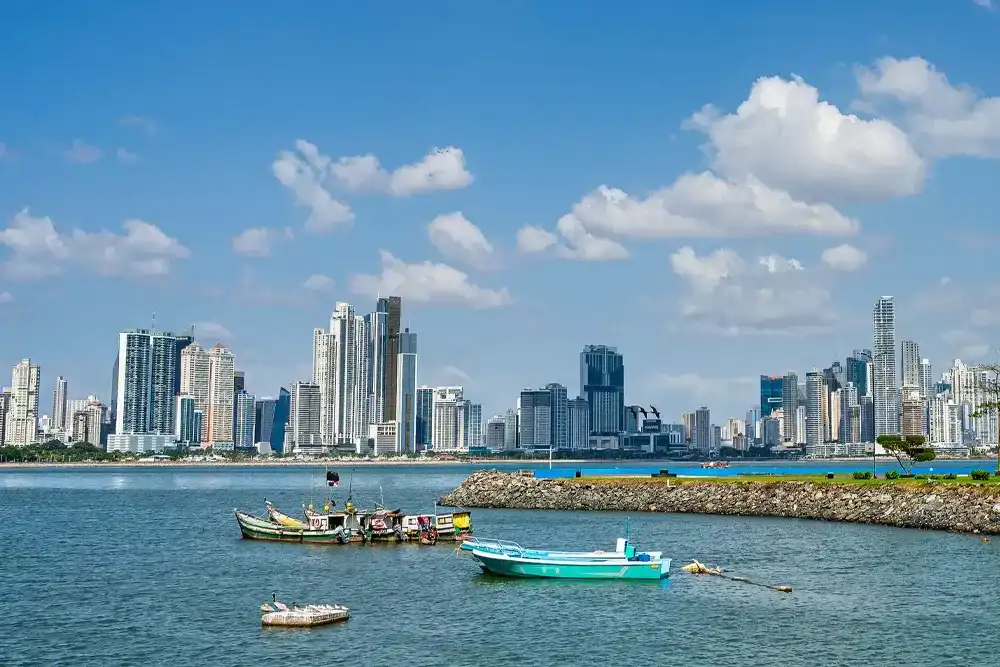
Panama, built between seas, is an exciting blend of history and modernity. While the capital Panama City boasts skyscrapers and a casino culture, the colorful, narrow streets of the Spanish colonial era in the Casco Viej…


When to Visit?
The climate in Panama is tropical and remains hot throughout the year. The dry season lasts from December to April; this period is the most suitable time for a visit. The rainy season (May-November) is more humid with increased rainfall, but during this period you can find discounts on hotels and the green forests thrive more.
Late April and early May can be a good choice before the rains begin. Unless there is a special celebration of cultural events like Ramadan in Panama, we recommend the dry season according to your personal preference.
How to Get There?
There are no direct flights from Turkey to Panama; usually, connecting flights are made via Europe or America. The average travel time is 16-20 hours. Tocumen International Airport (PTY) is the country's main gateway and is located approximately 25 kilometers from the city center. You can reach Panama City from the airport by taxi, bus, or a pre-booked transfer service.
The visa requirements for Panama for Turkish citizens for tourist travel should be checked; confirm current information from official consulate sources. The currency in the country is the Panamanian Balboa, and the US Dollar is also widely accepted.
Getting Around the City
You can use taxis, Uber, or buses to get around Panama City. Taxis are safe and cheap, but it's good to agree on the fare beforehand. There are areas where you can walk towards the city center; especially Casco Viejo (old city) is a comfortable area for strolling. Avoid walking alone at night.
To go to the San Blas Islands or the Panama Canal, you can find organized tours through tour operators. These tours usually include hotel pick-up and drop-off services. Taking a canoe tour on the Chagres River is also a popular option.
How Many Days to Stay?
4-5 days are sufficient to comfortably explore Panama. You can spend 2-3 days in Panama City, 1-2 days in the San Blas Islands, or take a Panama Canal tour and explore the surrounding natural areas. If you also want to see Caribbean coasts like Bocas del Toro, it would be beneficial to plan extra days.
For a quick visit (1 day), you can see the center of Panama City, Casco Viejo, and the canal area; however, more time is needed to experience the charm of the islands and nature.
Suggested Itinerary
Day 1-2: Panama City - Explore the narrow streets of Casco Viejo, colonial architecture, and museums. Walk along the Amador Causeway with sea views. Enjoy city and harbor views from high observation points. Day 3: Panama Canal - Visit the Canal and its accompanying museum. Tours that include a boat trip on Gatun Lake are available. Day 4-5: San Blas Islands or Chagres River - Discover the islands, meet the local Guna people, and relax on the beaches. Alternatively, observe nature and wildlife in the rainforest.
Depending on time, Bocas del Toro, Boquete, or Colón can also be added to your plan. The sea journey can be a bit arduous, but it will add value when you see the unique underwater life and coral atolls.
Where to Stay?
Accommodation options in Panama City are extensive. There are historic hotels in Casco Viejo, modern luxury establishments in the city center, and boutique hotels in more economical areas. In the San Blas Islands, "cabana" (simple wooden houses) and ecotourism resort options are available. Although the islands are not very expensive, they offer basic comfort; water sports such as oxygen tank and fin rental are also provided here.
If you are going to Bocas del Toro or Boquete, there are also suitable hotels and hostels in these cities. Regardless of the region and season, making reservations in advance during summers is a wise decision.
What to Eat?
Panamanian cuisine reflects Spanish, Caribbean, and American influences. "Ceviche" (seafood salad cooked with lemon) and "patacones" (fried green plantains served with sauce) are popular dishes. "Caldo de camarones" (shrimp soup) and "sancocho" (meat stew with vegetables) are daily meals. In one form or another, rice and beans are staple foods in this region.
In the San Blas Islands, fresh fish, seafood, and coconut dishes are very delicious. Restaurants in the city center are more expensive; street food or local markets are cheap and authentic. Don't miss the seafood as it is fresh and high quality.
Shopping
Panama City has modern shopping centers (Multiplaza, Multiplaza Pacific). You can buy Kuna artworks, traditional "mola" textiles (colorful fabric patchwork) of the Guna people, products of local craftsmanship, and jewelry. Small shops in Casco Viejo offer original works.
Panama's atmosphere and Caribbean markets are quite interesting. In the tabletop market, you can find local products, colorful tote bags, hats, and craft items. Prices can be negotiated; please bring cash. Brand-name products and electronics are imported from the United States at cheap prices.
Budget Guide
Panama's general expenses are moderate. Daily food costs for budget-conscious travelers are 15-25 USD, and for a comfortable trip, 40-60 USD is sufficient. Mid-range hotels are between 60-120 USD per night. Panama Canal tours, San Blas tours, or Chagres River excursions range from 60-150 USD.
For a total 4-5 day trip, including transportation, accommodation, and activities, a budget of 800-1500 USD per person can be allocated (in tourist class). San Blas Islands packages can be a bit expensive, but they also offer an unforgettable experience. Although Euros and Pounds are also accepted, using US Dollars is the most practical.
Things to Consider
Some areas of Panama City (especially at night) can be problematic in terms of safety. The city and port of Colón are risky for tourists; do not wander without a guide. Tourist areas like Casco Viejo and Amador Causeway are generally safe, but still be careful. Do not lose sight of valuables and keep your wallet secure.
Regarding health, local pharmacies (farmacia) can be used for any over-the-counter medication issues. However, in case of serious illness, the country's healthcare service is of good quality. Travel insurance is recommended. Sunscreen, mosquito repellent, and adequate water consumption are very important. Credit cards are accepted in most places, but carrying cash is safer.
Photo Spots
The narrow, colorful streets and colonial buildings of Casco Viejo offer excellent photo opportunities. Early mornings are ideal for shooting in golden light. Panama City's modern skyscrapers can be photographed from the Amador Causeway and the coastline. Capturing ship transits through the Panama Canal is very impressive.
The San Blas Islands offer natural beauty with their crystal-clear turquoise waters. The traditional canoes of the Guna people, the submerged underwater world, and the sunset sky create wonderful frames. The rainforest and wildlife on the Chagres River are a paradise for nature photographers.
General Information
Panama, the country's name is the same as the place name. The meaning of the place name in the indigenous language is "abundance of butterflies"; this shows the richness of nature. Panama, a Spanish colony from the 16th century, gained independence in 1821. Most importantly, the Panama Canal, opened in 1914, formed the backbone of world trade. 35-40 ships pass through the canal daily, and this sight is perhaps the most striking engineering marvel I have ever seen.
The official language in Panama is Spanish, but English is common in tourist areas. Its population consists of indigenous peoples such as Guna, Ngäbe-Buglé, and Emberá. Culturally, it is very colorful; music, dance, and traditions arouse great curiosity from outsiders. Compared to Machu Picchu, it may be less known, but it offers a unique Central American experience.
This content originates from neresigezilir.com.tr and may not be copied without permission.
Places to Visit
No places found for this filter.