Honduras
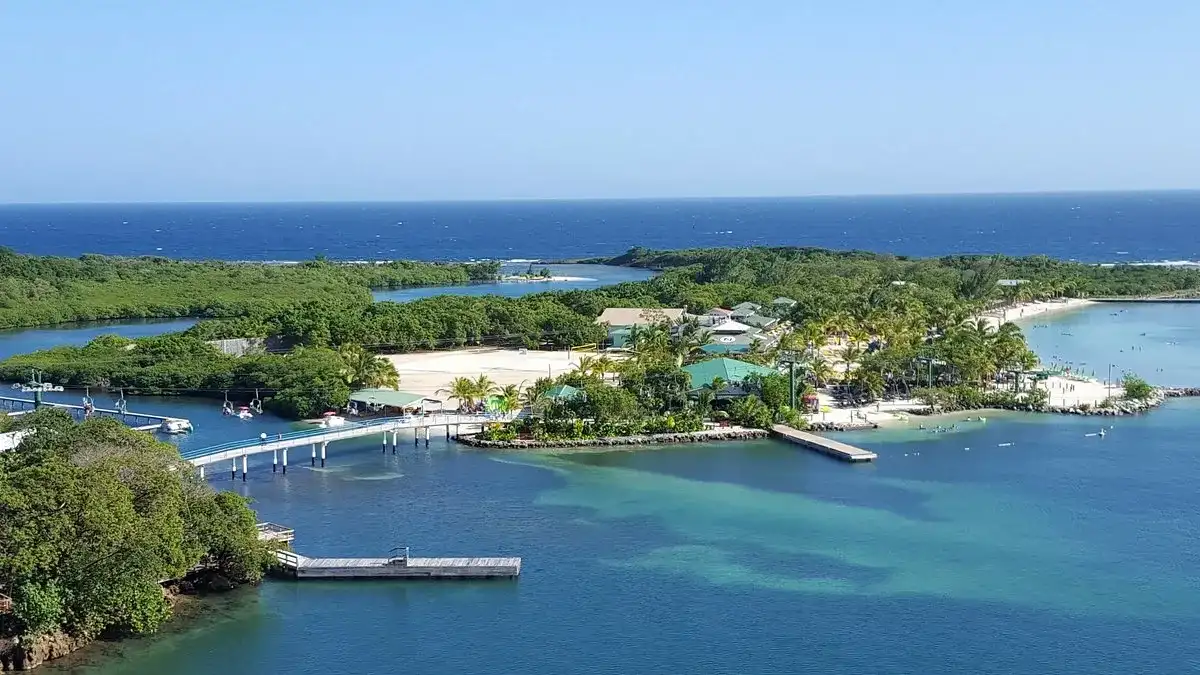
Honduras is one of Central America's least visited yet most captivating countries. While the islands of Roatán and Utila on the Caribbean coast are recognized worldwide as centers for diving and water sports, the country…


When to Visit
The best time to visit Honduras is between December and April. During this period, rainfall is low, temperatures are suitable, and conditions for swimming are ideal. Summer (May-November) can coincide with hurricane season and experiences more rainfall.
Especially for Roatán and the surrounding islands, diving conditions are at their best during this season. If you plan to visit archaeological sites, the months between December and April are also preferable as you can better tolerate the heat.
How to Get There
There are no direct flights from Turkey to Honduras; you will need to travel with one or two layovers. Transfers are usually made through US cities (Miami, Houston, Dallas). Tegucigalpa and San Pedro Sula are the country's most important airports. You can stay in the country for up to 90 days with a tourist visa.
For getting around within the country, buses, minibuses (colectivo), and domestic flights are used. Car rental is also possible, but road conditions outside cities vary. For inter-island travel, ferries and planes are available.
City Transportation and Movement
In large cities like Tegucigalpa and San Pedro Sula, taxis, apps like Uber, and minibuses are common. Since most taxis do not have meters, it is recommended to agree on a price before the journey. Walking distances in the city center are reasonable, but it's wise not to wander alone at night.
In tourist areas like Roatán, there are options for water taxis, bicycles, and ATV rentals. Tour packages, including summer tours, can be easily found and are often arranged by hotels.
How Many Days Are Enough
It is recommended to allocate at least 5-7 days to explore Roatán and the surrounding islands and the Bay Islands. If you also want to see Copán, go trekking, or explore the interior regions, 10-12 days would be more suitable. Taking your time for a relaxed and enjoyable experience rather than a rushed trip will allow you to better appreciate the beauties of Honduras.
Spending 1-2 days in Tegucigalpa and San Pedro Sula, followed by 4-5 days in Roatán and 2-3 days in the Copán region, forms a classic itinerary. Additionally, you might consider more time for nature walks and adventure activities.
Suggested Itineraries
On the classic route, you start from Tegucigalpa, go to San Pedro Sula, and from there reach Roatán Island. In Roatán, you can relax, dive, and enjoy beach activities in West End and West Bay. On the return, visiting the ancient city of Copán and its Mayan ruins would be a great experience for archaeology enthusiasts.
An alternative route is to start from La Ceiba and explore Cayos Cochinos (Coco Islands) and Río Cangrejal. For nature lovers, the area around Lago de Yojoa and the regions inhabited by the Lenca people also offer interesting routes. These options can be customized according to personal interests.
Where to Stay
Roatán Island has the most developed tourism infrastructure; here you can find hotels, hostels, and resorts for every budget around West End and West Bay. While Tegucigalpa and San Pedro Sula also offer accommodation options, these cities can be considered transit points. Near the town of Copán, there are eco-tourism focused and budget accommodation options available.
La Ceiba is a lively town on the Caribbean coast with its own charm. For those who prefer inland regions over islands, there are hostels and small hotels in areas close to the Lenca region. It is advisable to read hotel reviews and get up-to-date safety information before making a reservation.
Food and Drink
Honduran cuisine offers typical Latin American flavors. Baleada (corn tortillas with beans and cheese) has the poppy flavor of Honduras. Seafood, especially fresh fish and shrimp soup (hudut), is common around the islands. The lunch plate called Casado includes rice, beans, chicken, and salad.
In Roatán and tourist areas, you can find international cuisine. Local pita-like empanadas, corn, and plantain products are also popular. Coffee shops offer quality Honduran coffee at modest prices. When buying street food, you can act as if it's good by checking the cleanliness of the surroundings.
Shopping
Shopping in Honduras is limited and mostly consists of local products. In West End, Roatán, you can find tourist-oriented shops, souvenirs, and textile products. In Copán and surrounding towns, products of traditional weaving art and local crafts find eager buyers. If visiting central markets (mercado), attention should be paid to safety.
Honduran coffee, chocolate, and local handicrafts make good souvenirs. There are shopping centers in Tegucigalpa and San Pedro Sula, but prices in tourist areas are relatively higher. In Roatán, products related to marine culture (excluding coral jewelry), shell, and stone carvings are sold.
Budget Planning
Honduras is one of the affordable countries in Central America. You can live a moderate life with $40-60 per day (hostel, street food, public transport). Mid-range hotels and restaurants cost $60-100 per day. Tourist centers (Roatán) are more expensive, requiring an average budget of $80-150 per day.
Those taking a diving course should budget $200-400, and guided tours range from $50-100. If transportation is not continuous, bus tickets are cheap; planes and fast boats are more expensive. Generally, a moderate tourist can have a comfortable trip with a budget of $1000-1500 for 10 days.
Things to Consider
Certain regions of Honduras are risky in terms of safety; it is recommended not to walk alone at night in Tegucigalpa and San Pedro Sula. Roatán Island and tourist areas are relatively safe. It is necessary to check the current warnings from the Ministry of Foreign Affairs. It is wise to carry valuables discreetly and stay away from municipal centers.
Regarding health, hospitals in tourist areas are adequate, but limited in inland areas. Travel insurance, caution against nail and insect-borne infections, and hurricane preparedness during the summer season are recommended. Due to push, hook, and drug-related disturbances, it is important to be careful, especially in nightlife.
Photo Spots
Roatán's West Bay Beach, with its crystal clear turquoise water and white sands, is a paradise for photography enthusiasts. To capture the coral reefs, you should use a diving camera or snorkel. The Copán archaeological site is an important source of photographs of Mayan pyramids and temples. Altar Q and the plazas with Hieroglyphic Stairway can be framed by history buffs.
The turquoise waters around Cayos Cochinos, mangrove forests, and local fishing villages are ideal for nature photographers. La Ceiba's Caribbean coasts offer attractive views, especially at sunset. Río Cangrejal, with its steep slopes and green rainforest scenery, is a great spot for adventure photographers.
General Information
Honduras, with an area of 112 thousand square kilometers, is the second largest country in Central America after Yucatan. Its capital is Tegucigalpa, and the population is approximately 10 million. The official language is Spanish. The currency is the Honduran Lempira (HNL), and the US dollar is also widely used. The country's time zone is UTC-6.
The history of Honduras includes Copán, an important center of the Mayan civilization. After Spanish colonization, it experienced maritime damage from buccaneers throughout the 16th-19th centuries. The modern era has been shaped by the GAF organization, closely associated with bilateral transitions. With its nature, tourism, and cultural heritage, it is one of Central America's valuable destinations.
This content originates from neresigezilir.com.tr and may not be copied without permission.
Places to Visit
No places found for this filter.