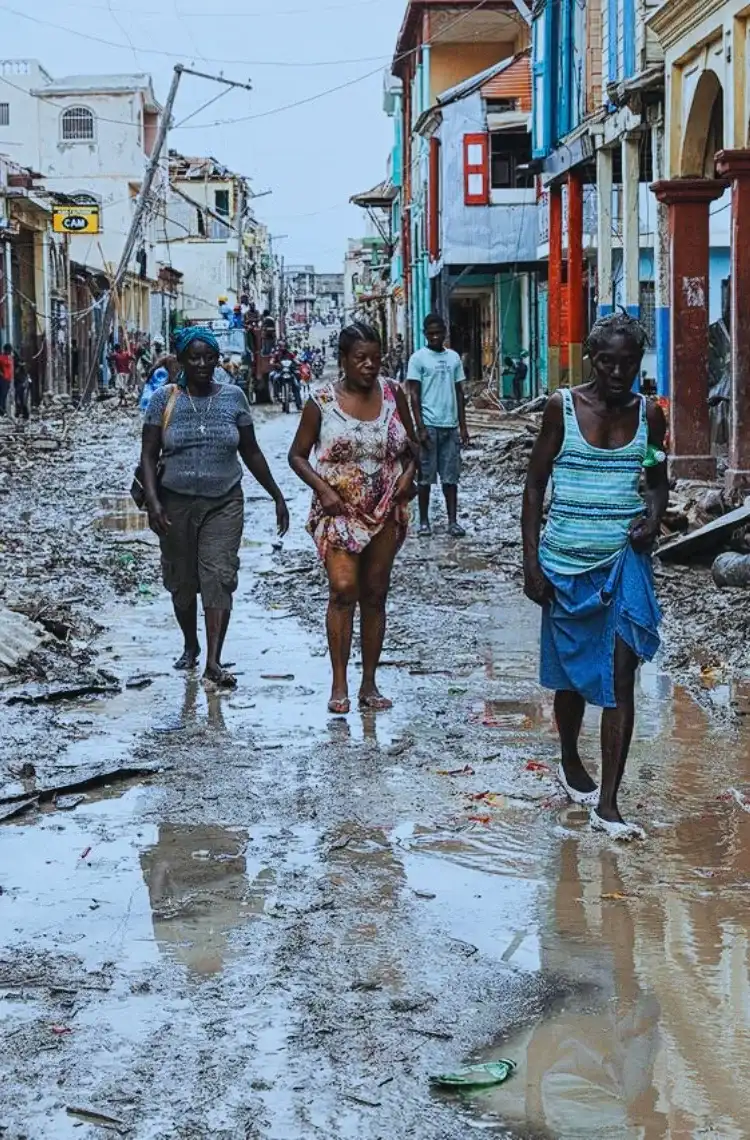
Haiti
Haiti is an island nation located on the western half of Hispaniola Island in the Caribbean Sea. Its capital is Port-au-Prince, and it has gone down in history as the oldest black republic in the Western Hemisphere. The …


Haiti: The Caribbean's Historic Jewel
Haiti, located east of Cuba in the Caribbean Sea, is an island nation with a unique story in world history. It is known as the first Black republic to gain independence through a slave revolt in 1804. It captivates visitors with its tropical climate, stunning natural beauty, and rich cultural heritage.
The Vodou belief, French colonial architecture, colorful houses and streets, geographical diversity, and friendly people distinguish Haiti from other Caribbean island nations. This country is definitely a must-visit for history and culture enthusiasts.
When to Visit?
The best season to visit Haiti is between December and April. During this period, the weather is temperate, rainfall is low, and the dry season prevails. It's a good idea to avoid the hot and humid summer months.
Since the Caribbean hurricane season is between June and November, caution should be exercised if travel is planned during this period. Additionally, many festivals take place in the winter months, making this season suitable for experiencing cultural events.
How to Get There?
Turkish citizens require a visa to enter Haiti. Travel is permitted for a maximum of 90 days. International flights to the capital, Port-au-Prince, are generally provided from connecting cities in America. It is recommended to verify the current visa procedures from official sources.
Visitors entering the country receive their necessary documents (tourism card, etc.) after passport control. From the airport to the city center, transportation can be arranged via taxi or organized tours. Local tours and guides are recommended for a safe and informative experience.
Main Places to Visit
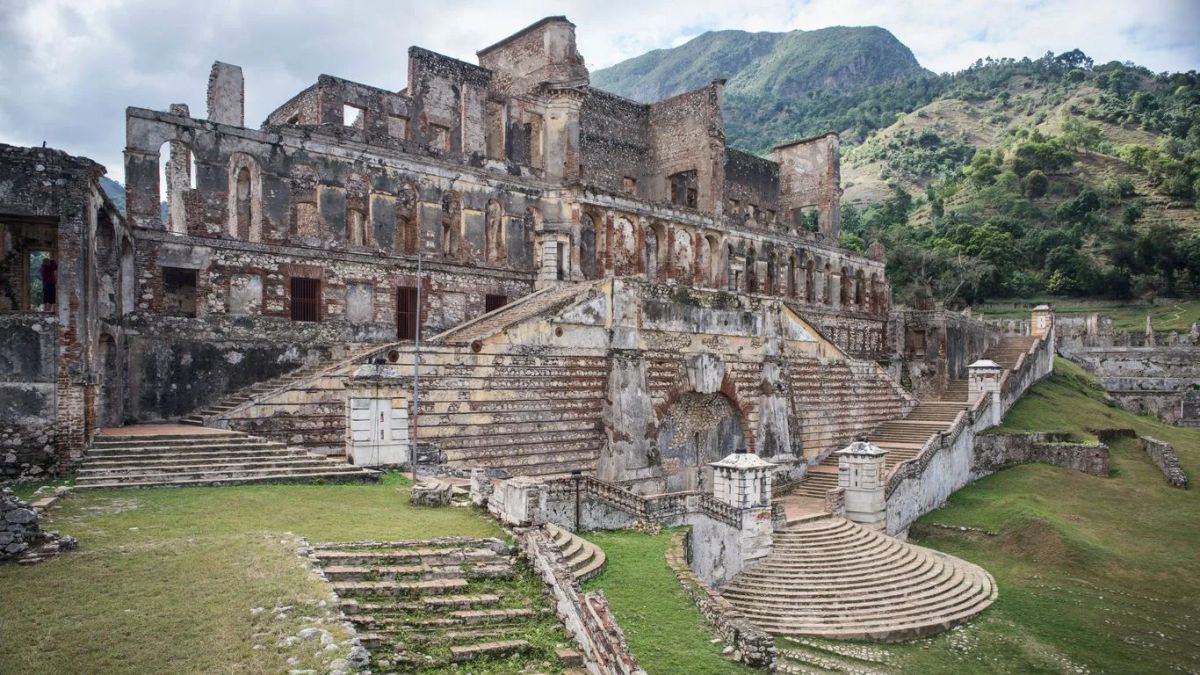
Citadelle Laferrière is an example of one of the world's largest fortresses, situated high on the mountain range of Milot. Built in the 18th century, this structure is a symbol of Haiti's historical resurgence. Sans-Souci Palace, with its ruins reflecting the splendor of the French colonial period, transports visitors back in time.
The Haitian National Museum and the Haitian Pantheon are located in Port-au-Prince and house the country's culture, art, and history. Labadee Beach is a concrete example of Caribbean beauty; turquoise waters and white sands attract visitors. Small towns and villages are also valuable for closely observing local life and Vodou culture.
How Many Days to Stay?
At least 5-7 days are sufficient to see the main highlights of Haiti. This period offers a suitable framework for city tours in Port-au-Prince, visits to Citadelle Laferrière and Sans-Souci Palace, relaxation on beaches, and getting to know the local culture.
If you desire a more in-depth experience, 10-14 days is ideal. This way, you can explore various regions, mountainous areas, hidden waterfalls, different towns, and villages off the main tourist route.
Suggested Itinerary
A classic itinerary starts in Port-au-Prince, spending a few days exploring the Haitian National Museum, art galleries, and local markets in the city, then proceeding to Milot to visit the Citadelle Laferrière and the ruins of Sans-Souci Palace. Staying in the Milot region on the way back would allow for a closer feel of the area's atmosphere.
Afterward, you can head to coastal towns like Labadee or Jacmel for a seaside experience. Jacmel is known as a center for art and design. In the final days, you can return to Port-au-Prince to enjoy shopping, restaurants, and nightlife. Local tour operators can help make this itinerary safe and enjoyable.
Accommodation Options
In Port-au-Prince, mid-range and luxury hotels are available in tourist areas. You can find selected hotel chains in tourist areas like Coral Coast. For more budget-friendly options, you can focus on guesthouses and family-run pensions. Travel agencies and online platforms provide up-to-date price and review information.
In Jacmel and other small coastal towns, there are boutique hotels and tourist lodges. Options for staying with local people are also available. In all cases, it is advisable to make careful choices regarding safety and hygiene, and to seek guidance from travel agencies.
Haitian Cuisine
Haitian cuisine is a rich blend influenced by African, French, and Caribbean populations. Diri ak djon (rice and beans), griyot (salted and sweetened pork), bannann moulen (mashed plantains), and akasan (cornmeal porridge) are local favorites. Fresh seafood, fish soup, and local vegetables are featured in every meal.
Street foods include pati (meat patty), tasso (dried meat), dous mayi (corn and chickpeas). Tropical fruits like mango, papaya, and soursop are very popular. Coffee is one of Haiti's famous exports; you shouldn't miss experiencing its local preparation.
Shopping and Souvenirs
Local handicrafts are the main shopping items in Haiti. Colorful wood carvings, beadwork and musical instruments, bohemian textiles, and paintings attract tourists. Markets and art galleries in Port-au-Prince host these products. Marassa eyes and various items in Vodou shops are related to tourism.
Local coffee, Haitian chocolate, handmade soaps, and scented oils are quality gift options. Visiting art galleries in Jacmel to buy directly from artists can be more meaningful. Compared to international brand products, local items offer both an economical and authentic choice.
Budget Guide
Haiti is a budget-friendly destination among Caribbean countries. Average daily expenses vary: accommodation 50-150 USD, food 15-40 USD, transportation 5-15 USD. Prices may be slightly higher in tourist centers and hotel areas. Local markets and street food are affordable.
Tour guiding and activities are around 30-100 USD. When calculating airfare and visa costs, estimating a budget of 1,500-3,000 USD for a 1-2 week trip is considered reasonable. To manage your budget, consider organized tours instead of local taxis, shopping at street markets instead of eating at hotels, and venturing outside tourist areas.
Important Warnings
Before traveling to Haiti, you should check the official travel advisories of the Turkish Ministry of Foreign Affairs. Obtaining up-to-date information on the security situation is essential to ensure a safe journey. Traveling through organized tour operators and local guides provides you with local knowledge about the regions.
In terms of health, check your vaccinations and follow water hygiene rules (be careful not to drink tap water). Avoid carrying loose change and old passport pages. Limit walking on the streets at night and protect your valuables. Establishing respectful and open communication with local people enriches your experience.
Best Spots for Photography
Citadelle Laferrière, situated on a mountaintop, offers a fantastic frame for exterior photos. Photos during sunset are particularly impressive. The ruins of Sans-Souci Palace possess historical texture and a romantic atmosphere. Labadee Beach, with its combination of turquoise water and white sand, is ideal for photographing natural beauty.
The colorful houses and street art in Port-au-Prince provide rich content for cultural photography. Jacmel's seaside architecture and serene environment offer images blending customs and culture. Local markets, fishing harbors, and daily life scenes are suitable for capturing photos that reflect the authentic Haitian experience. Local guides can suggest safe and respectful photography spots.
Health and Practical Information
Before traveling to Haiti, update your tetanus, hepatitis A and B, and yellow fever vaccinations. As there is a risk of malaria, especially in low-lying areas, consider taking anti-malarial medication. Consume bottled water to prevent infection from water sources, and use bottled water even when brushing your teeth.
Prepare a map, compass, or GPS navigation; internet connectivity can be inconsistent. The official currency of the country is the Haitian Gourde, but USD is also widely accepted. Bank cards can be used at ATMs. Phone SIM cards are easily available, and local operators are affordable.
This content originates from neresigezilir.com.tr and may not be copied without permission.
Places to Visit
No places found for this filter.