


Gyeongbokgung Palace, located in Seoul's Jongno district, was built in 1395 as the first palace of the Joseon Dynasty and is a significant example of traditional Korean architecture; it features royal guard ceremonies and museums.
Gyeongbokgung, whose name means 'Great Blessing in Happy Brightness', is Korea's largest and most important palace, built in 1395, immediately after the establishment of the Joseon Dynasty in 1392. Located at the foot of Bugaksan Mountain in Seoul's Jongno district, this massive complex serves as an open-air museum with its main palace buildings, pavilions, gardens, and historic gates. The structures, which suffered extensive damage during the Japanese colonial period, have regained their former glory through decades of restoration work.
The National Folk Museum of Korea and the National Palace Museum of Korea, located within the palace complex, offer a distinct visitor experience for those wishing to delve deeper into Korean history. The royal guard changing ceremony, held every morning, transports visitors back to the Joseon era with traditional costumes and rituals. Exploring the palace by renting a hanbok has become an extremely popular tradition among both photography enthusiasts and those seeking a cultural experience.
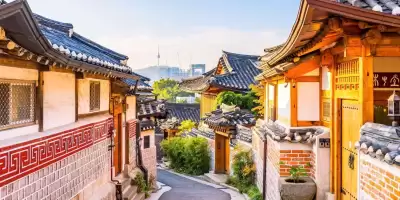
Related explorations: Seoul attractions, Historical Sites, Seoul historical sites, Bukchon Hanok Village.
Guide's Note
What is Gyeongbokgung Palace?
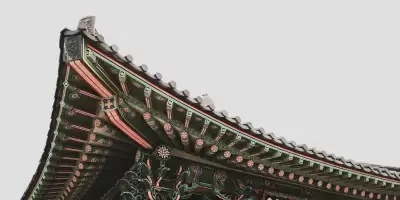
Gyeongbokgung is Korea's largest palace, built after the establishment of the Joseon Dynasty in 1392, and served as home to the royal family for approximately 500 years. The complex consists of the main throne hall, Geunjeongjeon, the Gyeonghoeru Pavilion used for banquets and diplomatic receptions, the queen's private garden Hyangwonjeong, and dozens of historical structures. During the Japanese colonial rule (1910-1945), most of the buildings were destroyed or damaged; however, thanks to extensive restoration efforts initiated after Korea gained independence, the palace has regained its current magnificent state. The palace grounds also house the National Folk Museum of Korea and the National Palace Museum of Korea; these museums can be visited without a separate ticket or for a symbolic fee.
Best Time to Visit
Spring (March-May) is when the palace looks most magical. In April, when cherry blossoms bloom, the palace gardens are adorned in pink and white hues, creating a unique backdrop for photos. Autumn (October-November) offers a visual feast of historical structures framed by red and yellow leaves; many travelers consider this period the most beautiful time of the year.
Summer months (June-August) are hot and humid, and tourist density reaches its peak. Winter visits, however, hold a special charm for those seeking snowy palace views; but one must be well-prepared for the cold weather. The palace gets extremely crowded on weekends and Korean national holidays; if possible, visiting between 09:00-10:00 on weekdays will allow you to avoid crowds and watch the guard changing ceremony from the front row.
How to Get to Gyeongbokgung?
The most practical way to reach Gyeongbokgung is by Seoul subway. You can reach the main gate by using Exit 5 from Gyeongbokgung Station (327) on Line 3 (orange line), which is about a 5-minute walk. Alternatively, it is also possible to walk to the palace complex from Gwanghwamun Station on Line 5.
You can also easily reach it by taxi from any point in Seoul; the palace's central location makes it close to most parts of the city. If you use Kakao Taxi or other ride-hailing services, you won't encounter a language barrier regarding payment and communication. Bus options are also available; there are many bus stops around Gwanghwamun Square.
Photo Spots and Hanbok Experience
Gyeongbokgung is one of Seoul's most iconic photo locations. The area in front of Gwanghwamun Gate offers magnificent shots, especially during the guard changing ceremony. Inside the palace, Gyeonghoeru Pavilion and its surrounding lotus pond provide a perfect backdrop for reflection photos. Hyangwonjeong Pavilion is also among the favorites of photography enthusiasts with its serene and picturesque structure.
There are numerous hanbok rental shops around the palace; if you enter the palace wearing a hanbok, the entrance fee is waived. Rental prices vary by duration, with several-hour packages generally available. Photos taken in the palace courtyards while wearing a hanbok continue to be among the most shared images of a trip to Korea.
Suggested Itinerary
Being in front of Gwanghwamun Gate between 09:30-10:00 in the morning will allow you to watch the royal guard changing ceremony, which starts at 10:00, from the best spot. The ceremony lasts approximately 20 minutes and takes place with traditional costumes and music.
After the ceremony, enter the main courtyard and visit the Geunjeongjeon Throne Hall; this is the most magnificent building of the palace. Then head towards the Gyeonghoeru Pavilion on the left and walk around the lake. Proceed north of the complex to see the Hyangwonjeong Pavilion. If you wish to visit the National Palace Museum of Korea inside the palace, you can stop there. At the end of your visit, you can also add the National Folk Museum of Korea, located near the palace exit, to your itinerary; this museum has a very rich collection, especially for families and those interested in Korean culture.
What to Eat Nearby?
The streets of Insadong, stretching just south of Gyeongbokgung, are extremely rich in traditional Korean delicacies and street food. Tteokbokki made from rice cakes, grilled meat roll gimbap, and sweet pancake-like hotteok are among the street foods that must be tried in this area.
You can also visit Tongin Market, which is a short walk to the west; here, there is a unique system designed to allow tasting traditional Korean dishes in small portions. While there are also various cafe and restaurant options around the palace, restaurants near Gwanghwamun Square offer a wider menu selection.
Things to Consider Before Visiting
The palace is closed every Tuesday; plan your visit accordingly. During public holidays and weekends, crowds can reach serious levels; choosing early morning hours during these periods will significantly improve your experience.
The complex spans a very large area; comfortable walking shoes are essential. Access to some parts of the palace may be restricted or require an additional ticket; it is recommended to check the official website for current information before your visit. If you are considering renting a hanbok, shops around the palace are generally less crowded in the early morning. During summer months, carrying sunscreen and a water bottle will make your long outdoor excursion much more comfortable.
Gyeongbokgung Palace Videos
Gyeongbokgung Palace videos load when you open this section to keep the page fast.
Show videos
FAQ
Updated: