Guatemala
Guatemala is one of Central America's most exciting destinations. The country bears the traces of the Mayan civilization, stretching from thousands of years ago to the present day. From the pyramids of Tikal to the colon…


When to Go
The ideal time to visit Guatemala is between November and April. These months represent the dry season, and the probability of rain is lower. December-January, in particular, is the most suitable time for nature walks and volcano climbs. Heavy rainfall occurs during the summer months, which can make some areas inaccessible.
During periods with special days like Ramadan and Easter, tours can fill up quickly, and prices may increase. If you want to experience special events, plan your New Year's and Easter timing in advance. During other periods, you can travel in a quieter atmosphere and find more economical options.
How to Get There
Guatemala is usually reached from Turkey with connecting flights via Madrid or London. Guatemala City is the capital and the country's main airport. The flight duration, including transfers, varies between 18-24 hours. Turkish citizens do not need a visa for Guatemala; a 90-day tourist permit is granted.
The bus network within the country is very well developed and affordable, but for long distances, it is advisable to depart in the morning. If you want a more comfortable experience, you can hire tourist tours or a private driver. There are daily bus services from Guatemala City to major tourist areas such as Antigua, Atitlán, Tikal, and Flores.
Getting Around the City
Guatemala's most popular tourist centers are quite far from each other. La Antigua Guatemala is perfect for city tourism with its colorful colonial architecture and lively markets; walking its narrow streets is enchanting. In the Lake Atitlán region, villages like San Pedro, Panajachel, and Santiago Sacatepéquez are magnificent places for local culture and weaving art.
Tikal National Park is the most mentioned place among written sources accessible from Flores; it offers ancient Mayan pyramids and jungle walks. Semuc Champey's natural pools, the climb of Pacaya volcano, and Chichicastenango market are must-see spots for those who want a full nature and culture experience.
How Many Days Are Enough
To meaningfully explore Guatemala, it is recommended to allocate at least 10-12 days. With five days, basic places (Antigua, Atitlán, a volcano climb) can be visited, but you will miss distant places like Tikal and the Petén region. With two weeks, you can comfortably explore most of the country's important spots.
If your time is limited, you can spend five days focusing on the Antigua and Atitlán region. If you also want to see Tikal and Flores, add at least seven to eight days. Several-week trips allow you to include visits to the Caribbean islands or the Copán ruins in Honduras.
Suggested Itinerary
The classic Guatemala itinerary works as follows: land in Guatemala City and immediately head to Antigua (1-2 days). From here, go to Lake Atitlán and stay in the surrounding villages for 2-3 days. Allocate one day to see the Chichicastenango market. Then head to Tikal and Flores, spending 2-3 days there. On the way back, visit Semuc Champey's natural pools or Pacaya volcano.
A shorter route is: Guatemala City - Antigua - Atitlán - Chichicastenango - return. If you are a nature lover, add volcano climbs and high peaks like Su Seneca, Acatenango. Bus connections between each region are good, but journeys can take between 4-8 hours.
Where to Stay
In Guatemala, hostel and boutique hotel options are quite extensive and truly affordable. Staying near Plaza Mayor in Antigua is ideal for sightseeing; Spanish language schools and return tourism services are also concentrated here. Around Lake Atitlán, San Pedro and Panajachel are preferred places for young travelers and family visitors, respectively.
If you want to see Tikal, you can make Flores island your base; staying in lakeshore hotels here is wonderful. If you are looking for economical options, hostels and guesthouses are available in all regions. Making reservations before the high season helps you keep prices under control.
What to Eat
Guatemalan cuisine is simple but delicious. Pepian (chicken dish made with chili and pumpkin seed paste), tamale (stuffed pastry cooked in corn flour), and quesadillas are regional favorite dishes. Tilapia fish is a special dish in Guatemala's lake regions, and you should taste it in Atitlán. For breakfast, huevos rancheros (fried eggs, beans, and tortilla) are common.
In markets, tea, corn flour-based drinks, and fruit juices are very cheap. Drinks made with panela sugar and atol (hot grain-based drink) are popular in the mornings. You can also find international food in tourist areas, but don't miss trying local dishes; they are both cheap and authentic.
Shopping
Guatemala is a paradise for weaving art and handicrafts. In Chichicastenango market or Santiago Sacatepéquez, you can find local textiles, colorful scarves, huipil (traditional clothing), and souvenirs. Antigua's narrow streets have antique shops and local artists' studios. Around Tikal, Mayan-inspired jewelry and various souvenirs are sold.
Bargaining in markets is normal and expected; you can usually get a 10-20 percent discount from the marked price. For quality textiles, boutique shops in Antigua and Atitlán are more expensive but more reliable. If you want to buy coffee, products from local coffee cooperatives are both fresh and directly contribute to farmers.
Budget Planning
Guatemala is one of the most affordable countries in Central America. A daily budget of 30-50 USD is sufficient for backpackers, covering accommodation, food, and local transportation. Mid-range visitors can have a comfortable experience with 70-100 USD per day. Tourist tours, volcano climbs, and private guiding services are additional expenses.
Transportation is quite cheap; for example, a bus from Antigua to Tikal costs between 15-25 USD. Meals are 2-5 USD in local places, and 10-15 USD in tourist areas. Accommodation in hostel rooms ranges from 8-15 USD, and boutique hotel rooms from 50-100 USD. Package tours and guide services can consume a significant portion of your budget, but economical options are always available.
Things to Consider
Safety in Guatemala varies depending on the region you choose. Although tourist areas are generally considered safe, it is wise not to wander in uncrowded places at night, not to carry valuables openly, and to use official taxis. Nighttime street crime should be avoided in Guatemala City and some areas. Choosing guided tours is a safer option, especially if you are traveling alone.
In high-altitude areas (Antigua, Atitlán), it can be cold at night, so bring warm clothes. For volcano climbs, protective clothing against inflation and appropriate footwear are essential. While water sources are mostly safe, avoid tap water and consume bottled water. Visiting the country after obtaining health insurance ensures precautions against unexpected situations.
Photo Spots
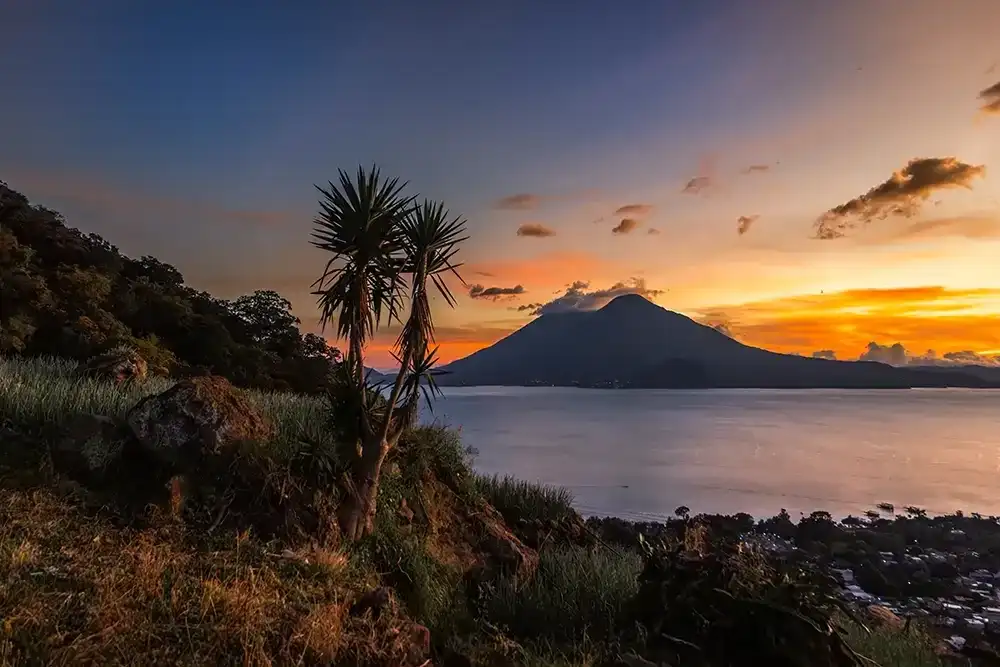
Photos taken in the early morning hours of Chichicastenango market are frequently seen in guides; its bright colors and local life are the main attractions in this place. Panoramic views of Lake Atitlán from the surrounding hills are very impressive. Volcanoes, especially the views of flames after a night climb of Pacaya, offer dramatic photos.
The view of Tikal's Great Pyramid rising amidst the forest, often foggy in the morning, has mature photo quality. Photos taken from the ruins of Convento de Capuchinas in Antigua are among the best examples of colonial architecture. Flores island is perfect for photos taken over the lake at sunset.
General Information
Guatemala is a country located in Central America with a population of around 17 million. The official language is Spanish, but nearly 20 Mayan languages are also spoken. The currency is Quetzal (GTQ); 1 USD is approximately 8 GTQ (check current exchange rates). The electrical voltage is 110V, so you may need to bring an adapter.
The country's largest city and capital is Guatemala City, located at a high altitude. The heart of the ancient Mayan civilization, Guatemala is today one of the most important centers of living Mayan culture. The tourism infrastructure is well-developed, with guided tours, educational services, and various activities being common. Although the country's language is Spanish, English-speaking guides and staff can be easily found in tourist areas.
This content originates from neresigezilir.com.tr and may not be copied without permission.
Places to Visit
No places found for this filter.