
Versailles Places to Visit
Versailles is not merely a palace; it is an artistic masterpiece that tells the story of an entire era. Designed by Louis XIV to showcase his power and wealth, this structure reflects perfection in every architectural an…


Versailles: The Most Magnificent Symbol of Royalty
Versailles, located west of Paris and built by Louis XIV, is one of Europe's most magnificent palaces. With 2,300 rooms, a museum, a chapel, and 800 hectares of gardens, this complex is not just a palace but virtually a state institution. In the Hall of Mirrors, crystal chandeliers gleaming in the light of hundreds of candles, intricate frescoes, and gold-plated details transport visitors back to the 17th century.
Today, Versailles, a UNESCO World Heritage site, is one of France's most visited tourist attractions. Millions of visitors come here every year and cannot hide their admiration for the palace's windows, furnishings, and gardens. When you visit Versailles, you don't just see a historical building, but an era, a civilization.
Best Time to Visit
The best times to visit Versailles are spring (April-May) and early autumn (September-October). During these months, the weather is pleasant, the gardens are in full bloom, and the crowds are more manageable compared to the summer tourist season. If musical fountain shows (Grandes Eaux Musicales) are running, you can fully experience the theatrical beauty of the gardens.
While summer (June-August) means good weather, you will face intense crowds inside the palace. In winter, visitor numbers decrease, but the gardens appear barren. If you choose weekdays, Monday and Thursday, you can visit with fewer crowds than on weekends. Don't forget to check the days the palace is closed (January 1, May 1, May 15, December 25) in advance.
Transportation Options from Paris
Getting to Versailles from Paris is very simple. The most economical option is to use the RER C train: you can go from central Paris stations to Versailles-Chantiers station. The journey takes approximately 20-30 minutes, and there is a 15-minute walk from the station to the palace entrance. Alternatively, you can take Metro line 9 to Pont de Sévres and then bus 171 directly to Château de Versailles.
If you prefer to travel comfortably, there are organized tour buses from Paris. Although this option is slightly more expensive, it provides guided round-trip transportation and entrance fees as a package. If you plan to drive your own car, there is ample parking, but it can get very full in summer. Check official ticket sales websites for up-to-date information and prices.
How Much Time Should You Allocate?
Ideally, you should allow 2-3 days to see Versailles completely, but most visitors cover the main areas within one and a half to two days. For the palace building, the Hall of Mirrors, and the most famous garden sections, a minimum of 4-5 hours is required. If you want to visit the King and Queen's private apartments, museums, and more distant areas like the Petit Trianon, you should dedicate a full day.
A half-day visit is possible but will be superficial. Given the immense size of the palace (800 hectares!), if you also value the gardens, you should plan more time. For a quick tour, we recommend going early in the morning. If you want to see the musical fountain shows in the gardens, find out the dates in advance from the ticket sales website.
Suggested Itinerary
After arriving at Versailles, we recommend exploring the interior of the palace building from beginning to end. Enter from the Place d'Armes square, then visit the Grand Commun, the west facade of the Palace, the Hall of Mirrors, the King's apartments, and the Queen's apartments in order. Guidebooks and audioguides provide detailed information in each room.
After exiting the palace, proceed to the gardens. Start at the Latona Fountain and walk towards the Apollo Fountain. Follow the Royal Way, admiring the fountains, sculptures, and the formal garden design. If you have time, also visit the Petit Trianon and Marie-Antoinette's Hamlet. The gardens are quite extensive, so starting with comfortable shoes and some water is a smart idea.
Things to See in Versailles City
Versailles is not just about the palace. In the historic city center surrounding the palace, it's pleasant to walk through streets lined with 18th-century architecture. Old houses, cafes, and boutiques in narrow streets like Rue de l'Orangerie and Rue de la Chancellerie create a feeling of stepping back in time. The Notre-Dame de Versailles Cathedral stands out with its classical French architecture.
The markets in the city center (especially on market days) are very lively. Around Place du Marché Notre-Dame, you'll find local farm products, cheese, and flowers. A significant advantage of the city center is the concentration of restaurants and shops that can meet the dining, cafe, and souvenir needs of palace visitors.
Accommodation Options
If you wish to stay overnight in Versailles, you'll find mid-range hotels and boutique accommodations in the city center. Hotels near the palace might be slightly more expensive due to their location in the tourist hub. If budget is a concern, you can consider staying in Paris and commuting to Versailles daily; transportation is easy and convenient.
For a comfortable experience, we recommend staying at least one night in Versailles. This way, you can arrive at the palace early, spend the evening exploring the city, and continue your visit more leisurely the next morning. If you prefer a historic setting, there are accommodation options in old houses with flowery balconies, such as in Châteauneuf. It's advisable to book in advance, especially during summer.
Food and Drink
Dining options in Versailles are quite varied. Cafeterias in the palace gardens offer light snacks (sandwiches, pastries, coffee), but prices are a bit higher due to their tourist location. When you go down to the city center, you'll find more affordable French brasseries and creperies. For a local experience, we recommend trying a galette (savory crepe) with cidre (cider), which can be found in the city.
If breakfast is French style, a croissant, pain au chocolat, and cappuccino combination is a must. For lunch, Salade Niçoise or Croque Monsieur (ham and cheese toastie) are easy and satisfying. In the evening, whether near the palace or in the city center, try local fish (sole, dorada) or beef dishes (coq au vin). Some restaurants offer special Versailles pastries for dessert.
Shopping
Inside and at the exit of the palace, you'll find Versailles-themed souvenir shops. They sell crowned glasses, porcelain figures, postcards designed by the palace artist, and books. Prices, unfortunately, are high for tourist areas. You can find more affordable Versailles-related items in the more general antique and art shops in the city center.
In terms of shopping, there are boutiques, bookstores, and local artisan shops around Rue de la Chancellerie and Rue Carnot. If available at the Place du Marché, you can buy locally produced fish, cheese, and fruits. If you want to take home a palace souvenir, you can choose cosmetics, sweets, or famous Versailles chocolates; these items are found at more reasonable prices in the city.
Budget Estimate
Standard palace entrance tickets are around 20-25 € (a package including the gardens is slightly more expensive). A round trip on the RER train from Paris to Versailles costs approximately 7-8 €. If you want to buy a guidebook, add 5-10 € more. For a day including the palace + gardens + lunch + coffee break, budgeting between 80-120 € would be appropriate.
Organized tour packages, including tickets and transportation, can range from 100-150 €. Accommodation varies between 60-150 € depending on the room standard. It is advisable to set aside an additional amount for shopping and extra activities (guided tours, museums). If you want to limit your budget, staying in Paris and spending a day in Versailles before returning can be efficient both in terms of cost and time.
Practical Tips and Things to Note
Since there will be a lot of walking in Versailles, remember to wear comfortable and sturdy shoes. Especially if you're exploring the gardens, the palace interior is calm, but the gardens are a very open area; the sun is intense in summer. A hat, sunglasses, and sunscreen should be with you. Since the palace interior can be warm and the gardens cool, dressing in layers is smart.
We definitely recommend going early in the morning in summer; after 10:00 AM, the crowds become serious. If you rent an audioguide (around 6-8 €), you'll get detailed information in each room. If you take a guided tour, you can visit not only public areas but also the King's private apartments. Photography is allowed, but flash should not be used. Eating inside the palace and gardens is prohibited; you can carry items in your bag. Buying tickets in advance (from official websites) reduces waiting times at the entrance.
Best Photo Spots
The Hall of Mirrors (Galerie des Glaces) is the most visited and photographed area due to its fame. If you want to see the effect of the distorting mirrors, interesting images emerge when you are centered. The Latona Fountain and the marble statues opposite it are worthy examples of classical garden design to photograph. The Sun God statue in the Apollo Fountain is painted in gold, especially in the evening sun.
Photos taken from the west facade of the palace are valuable for showing the immensity of the building. We recommend walking along the Royal Way in the gardens, among the fountains, and taking selected angle photos. The farm near the Petit Trianon (Hameau de la Reine) and the lake offer pastoral beauty along with a historical framework. The best light in summer is between 8-9 AM or 5-6 PM.
Opening Hours and Closed Days
Versailles Palace generally opens at 9:00 AM and closes between 5:30 PM and 6:30 PM depending on the season. In summer, the closing time is later, and in winter, it's earlier. The gardens are usually closed a little later than the palace. There are historical periods when the palace was closed on Mondays (due to museum day); always check the current hours on the official website in advance.
The palace is closed on general holidays (January 1, May 1, May 15, December 25). Seasonally, on days when fountain shows are held (certain days between May and October), there are extra music and light shows in the gardens; ticket prices may vary on these days. If you buy tickets online and enter with a barcode, you won't need paper tickets. If you want to take a guided tour, options are available in French, English, German, and other languages.
This content originates from neresigezilir.com.tr and may not be copied without permission.
Places to Visit
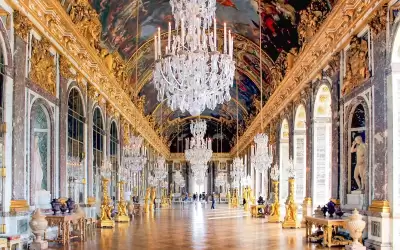
Palace of Versailles
Built by Louis XIV, Europe's largest palace with 2,300 rooms and extensive gardens. The Hall…