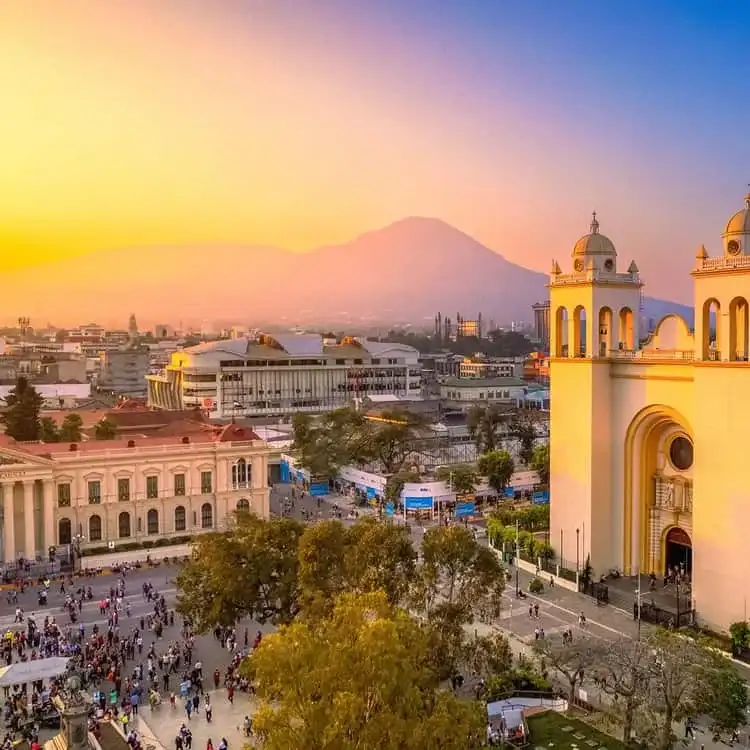
El Salvador
Despite being one of the smallest countries in North America, El Salvador makes a name for itself with its natural richness. From the Pacific coast extending inland, in this region of volcanic soils, you discover somethi…


When to Visit
The best time to visit El Salvador is between November and April. During this period, rainfall decreases, and the weather becomes drier, allowing you to enjoy beaches and nature trips comfortably. This season is ideal for volcano climbs and forest hikes.
Heavy rains occur from May to October, but this period is known as the low season with lower prices. If you are looking for fewer crowds and want to be budget-conscious, the rainy season can be preferred. Please check current weather reports.
How to Get There
There are no direct flights from Turkey to El Salvador. Typically, you travel by connecting through major airports in the USA (such as Houston, Miami, or Los Angeles). The total travel time is around 12-16 hours. El Salvador's main airport is Monseñor Óscar Arnulfo Romero International Airport (SAL), located near the capital San Salvador.
Turkish passport holders can enter El Salvador visa-free for up to 90 days. To get from the airport to the city, taxis, buses, or airport transfer services can be used. A bus network is common for moving within the country, but car rental options are also available.
Getting Around the City
The main option for getting around El Salvador is the colorful minibus buses. These buses are cheap and can be quite crowded. For intercity travel, there are also modern bus companies. Taxis and apps like Uber are available in major cities. Car rental is also an option, allowing you to explore at your own pace.
In smaller cities like El Tunco, Suchitoto, and Santa Ana, it's possible to get around on foot. When using navigation apps, internet connection issues can sometimes occur, so it's helpful to note down place names in advance.
How Many Days to Stay
Staying at least 5-7 days in El Salvador would be sufficient to see its main attractions. During this time, you can get to know San Salvador, visit surf beaches, and climb a volcano. If you prefer a more relaxed pace, 10-12 days would be ideal.
Due to the country's small size, a 2-3 week visit allows you to explore all important regions, colonial towns, and natural areas. Beach lovers can spend 5-7 days just in beach areas, while nature enthusiasts can dedicate more time to volcano and forest excursions.
Suggested Itinerary
A classic 2-week itinerary can be arranged as follows: Spend the first 2-3 days in San Salvador to explore museums and the city, then head to El Tunco (3-4 days for surfing and beaches). Afterwards, move to Santa Ana and climb Izalco Volcano. Spend 2 days in Suchitoto to see its colonial architecture and Lake El Espíritu Santo. Finish your last days either on the beaches or with hikes in the Apaneca mountains.
An alternative itinerary for those who want to focus on beaches: El Tunco → El Zonte → La Libertad → Puerto La Libertad. For culture and volcano enthusiasts: San Salvador → Santa Ana → Suchitoto → Apaneca would be more suitable.
Where to Stay
In San Salvador, options range from budget-friendly hostels to luxury hotels. El Tunco and El Zonte have popular hostels for young travelers and cheaper guesthouses. In Santa Ana, colonial-style boutique hotels can be preferred, and in Suchitoto, local guesthouses. You can find affordable accommodation everywhere according to your budget.
In beach areas, you can stay at relatively cheap prices; an average hostel costs 10-15 dollars per night, and a mid-range hotel is around 30-50 dollars. In less developed tourist areas like the Apaneca mountains, asking locals and choosing small local guesthouses will be more economical.
What to Eat
El Salvadoran cuisine is simple but delicious. Pupusa (corn tortilla filled with cheese, beans, or meat), tamales, and enchiladas are staple dishes. Street food is very cheap and good quality; you can find great deals, especially in local markets. Fresh fish and seafood on the Pacific coast are delicacies worth trying.
In beachfront restaurants, cesina (dried meat) and yucca are popular. Gallo pinto (a mix of beans and rice) is often served for breakfast. The country is famous for its coffee, so local coffee shops should also be part of your trip. Eating out is very economical and of good quality.
Shopping
In El Salvador, crafts and handmade products are worth buying. In local markets (mercados), you can find woven goods, ceramics, wood carvings, and textile products. In the commercial areas of central San Salvador, there are more modern shopping opportunities. Souvenirs in tourist areas like El Tunco can be a bit more expensive.
Fashion items made by local designers can be found, especially in Santa Ana. If you want to buy cigarettes and coffee, you can do duty-free shopping upon leaving the country. Bargaining is limited to local markets and small shops; prices in official stores are fixed.
Budget Guide
El Salvador is a very affordable destination for budget travelers. A comfortable life can be maintained with 40-60 dollars a day. It becomes even cheaper if you stay in hostels, eat street food, and travel by local bus. For a more comfortable trip, 80-120 dollars a day will be sufficient.
The currency is the El Salvador Colón, but the US Dollar is also widely used. You can easily withdraw money from ATMs. Unguided volcano climbs are cheap, while organized tours with tourist groups are more expensive. Prices are more favorable if you travel outside of the high season.
Things to Consider
The primary concern in El Salvador is safety. Some areas of San Salvador may not be safe, and it is not recommended to walk alone at night. Tourist areas are generally safe, but you should be aware of your surroundings and follow local advice. It is not advisable to display valuable items openly, and you should keep your bags and phones secure.
From a health perspective, drinking water is generally safe, but in some areas, it's better to prefer bottled water. Consult your healthcare provider for vaccination recommendations before you go. The weather is very hot and sunny, so carry sunscreen and a hat. When climbing volcanoes, physical condition should be good, and appropriate footwear should be worn.
Photo Spots
Izalco Volcano, especially at sunrise, is a great place to take amazing photos. Lake El Espíritu Santo in Suchitoto displays astonishing colors at sunset. The coastal cliffs of El Tunco, along with surf scenes, offer excellent dynamic photos. Santa Ana's colonial square presents a classic American city view reflecting period architecture.
The colorful houses and terraced landscapes of the Apaneca mountain village are a beautiful choice for portrait and landscape shots. San Salvador's Monumento a la Revolución (Revolution Monument) is a good spot for city views. For street photography enthusiasts, local markets offer abundant photo opportunities capturing daily life and cultural moments.
General Information
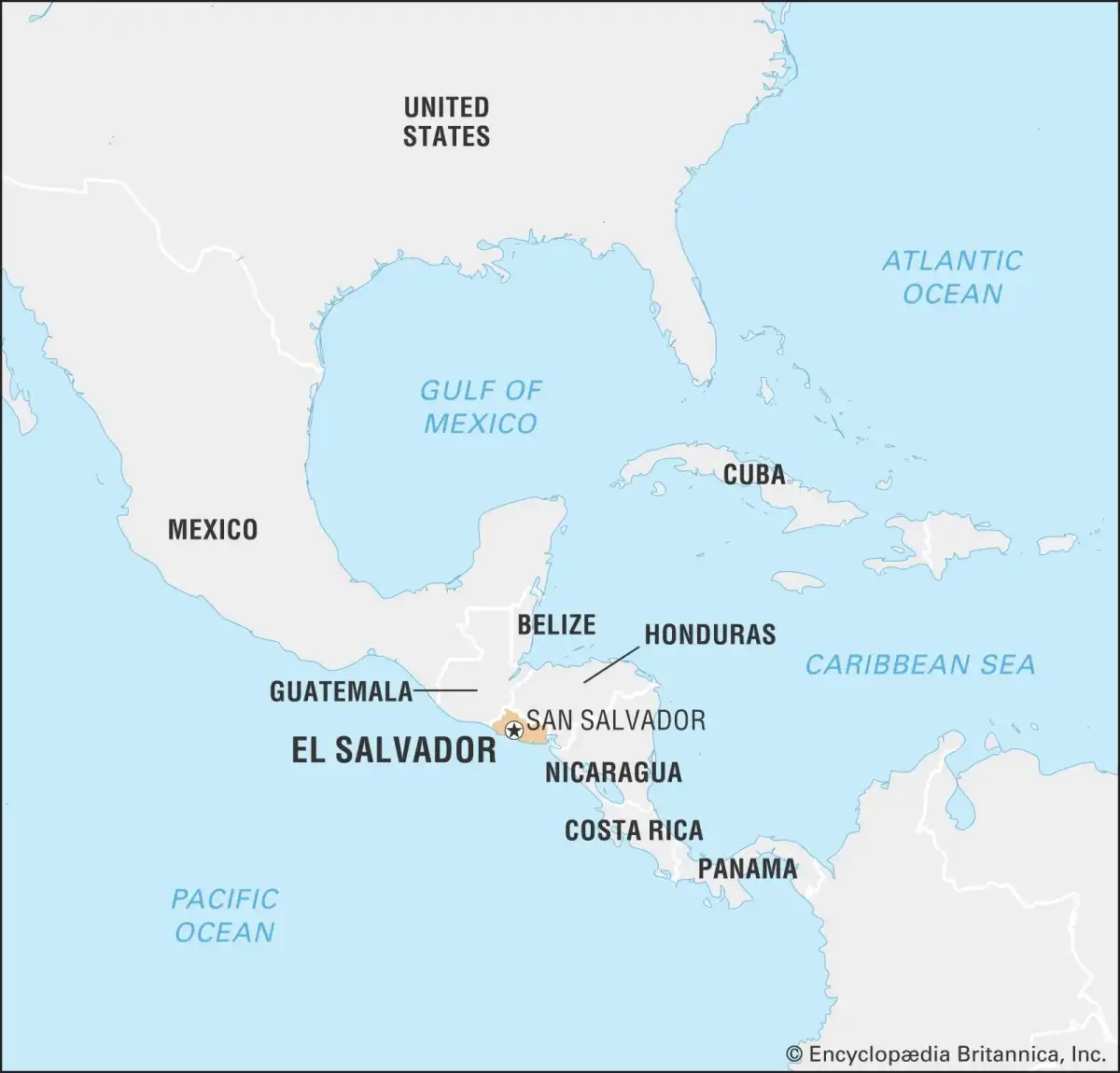
El Salvador, officially the Republic of El Salvador, covers an area of 21 thousand square kilometers. The country's population is approximately 6 million, and its capital is San Salvador. It gained independence from Spanish colonial rule on September 15, 1821. It has a presidential democracy form of government, and its official language is Spanish.
The country is located in Central America on the Pacific Ocean coast and hosts many active volcanoes. Due to its tropical climate, it is hot year-round. With its warm-hearted people, rich culture, and natural beauties waiting to be discovered, it is a mysterious country not yet fully developed for tourism. The currency is the US Dollar and the El Salvador Colón.
This content originates from neresigezilir.com.tr and may not be copied without permission.
Places to Visit
No places found for this filter.