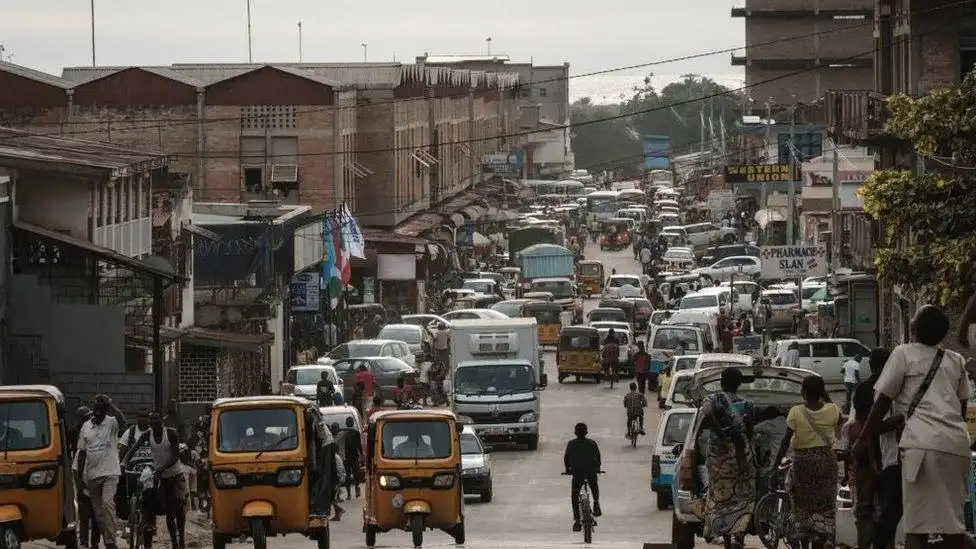
Burundi
The Republic of Burundi is a landlocked East African country located in the Great Rift Valley. Its capital is Gitega, and the country gained its independence in 1962. Known as one of Africa's least developed countries, B…


When to Go
The best time to visit Burundi is between late May and June. During this period, the weather is dry and cool, creating ideal conditions for sightseeing. September to November can also be a good option, but it's wiser to avoid July, August, December, and January as these months are quite dry.
Rainy seasons can be challenging for travel planning, but if you want to see the country's green nature at its most beautiful, October and November might be preferred. Burundi's climate is generally temperate, and higher altitude areas are cooler.
How to Get There
To enter Burundi, you first need to obtain a visa. Turkish citizens are subject to visa requirements, and you should get information on application procedures from official channels. Remember that your passport must be valid for at least 6 months. To reach the capital Gitega, flights usually involve a layover in other countries in the region.
Passenger buses are commonly used for transportation within the country. Local bus services are available for transport within the country, but roads can sometimes be challenging. If you wish, planning your trip through pre-arranged tours or guides might be more comfortable.
Getting Around the City
In Gitega, you can get to know Burundian culture up close by visiting its local markets. In the city center, you'll find small shops selling traditional artifacts and handicrafts. Bujumbura, located on the shores of Lake Tanganyika, is also worth seeing for its historical sites and city life.
National parks constitute the country's unique appeal. Kibira National Park, Rusizi National Park, and Ruvubu National Park provide excellent environments for camping and trekking activities. Mount Heha, with its high-altitude views, is an ideal spot for photography enthusiasts. Exploring these places with local guides is both safer and more informative.
How Many Days Are Enough
To comfortably see Burundi's main attractions at a relaxed pace, 4 to 6 days are sufficient. During this time, you can visit the capital and surrounding national parks, and experience the beauty of Lake Tanganyika. If you want a more in-depth experience, planning a week would be more ideal.
For a short tour, even 3 days can be feasible for seeing the main sites, but it might result in a rushed schedule. If you want to go to remote parts of the country (like Muyinga), it is advisable to allocate more time. Consider not rushing to interact with local people and explore the culture.
Suggested Itinerary
Landing in the capital Gitega and then heading towards the Lake Tanganyika region is a logical start. Seeing Bujumbura, located on the lake's shore, and then visiting Rusizi National Park forms a fluid itinerary. In Rusizi, you can observe hippos, crocodiles, and birds.
In the second stage, you can move towards Kibira or Ruvubu National Park for forest and mountain trekking. An ascent to Mount Heha can also be included in this route. If time permits, you can get to know local markets and culture in the Muyinga region. The entire route can easily be completed in 5-6 days.
Where to Stay
Accommodation options are available in Gitega and Bujumbura. In the center of the capital Gitega, you can find everything from tourist hotels to simpler accommodations. On the shores of Lake Tanganyika, there are guesthouses and three-star hotels. It is usually possible to find an option that suits your budget.
Near the national parks, there are campsites and basic tourist shelters. If you want a more comfortable experience, it is recommended to book a hotel in advance. When participating in tours that offer local guiding services, accommodation is usually included in the package. As the country's foreign tourist infrastructure is developing, it is helpful to keep your expectations aligned.
What to Eat
Burundian cuisine reflects African tradition. Ugali made from corn flour, beans, and boiled vegetables are the main food sources. Fresh fruits and vegetables are abundant in local markets—fruits like bananas, mangoes, and papayas are very cheap. Fish has been a primary protein source for people living on the shores of Lake Tanganyika.
Small restaurants and eateries have their own special dishes. Local rice dishes, meat stews, and meatballs served with a mild sauce are worth trying. Simple but satisfying meals are offered in city centers. International options may also be available in tourist areas. It's helpful to ask about the spice level when ordering, as some dishes are prepared quite spicy.
Budget Planning
Burundi is among Africa's affordable destinations. Daily expenses, including accommodation, food, and activities, can be kept quite reasonable. Staying in a simple hotel for two people might be around $30-50 per day. Meal prices in local restaurants range from $2-5.
When visiting national parks, there are guide fees and entrance fees; don't forget to include these in your budget. Using a local SIM card is economical in places where internet is limited. Participation in tours is usually offered at a package price, allowing you to estimate the cost in advance. A total weekly budget for moderate comfort can be kept around $300-500 per person.
Things to Consider
Before going to Burundi, check your health requirements. Yellow fever vaccination is recommended, and malaria medication may be necessary for some regions—definitely consult a health professional for these. Be careful about water safety; consuming bottled water outside the city is safer. Even during off-peak seasons, some parts of the country might be difficult for tourists to access.
Your passport must be valid for a minimum of 6 months. Absolutely avoid traveling without a guide, as some roads can be in challenging conditions. Keep valuables carefully and avoid going out alone late at night. A respectful approach to local people and culture is always appreciated. Update official foreign travel advisories before your visit.
Photo Spots
Photographs taken at sunrise or sunset over Lake Tanganyika are of legendary beauty. Rusizi National Park is a paradise for photographers with its hippos, birds, and natural landscapes. Panoramic views from the top of Mount Heha can turn out magnificent, especially on clear days.
The colorful activity of local markets and the daily lives of people offer countless heartwarming photos with proper timing. The forested areas and trekking paths of Kibira National Park are ideal for adventure photography. The Livingstone-Stanley Monument provides an interesting historical backdrop. Always remember to ask for permission from local people before taking their photos.
General Information
The Republic of Burundi is a landlocked country located in the heart of East Africa. Its capital is Gitega, and Kirundi, French, and English are widely spoken official languages. The country, which gained independence from Belgium in 1962, is situated in the Great Rift Valley and features high-altitude terrain. Its population is over approximately 13 million, with a predominantly young demographic.
The country's economy is based on agricultural production and tea. The culture, music, and dance traditions are very strong, and local artists are quite talented. As the tourism sector is still in its developing stages, foreign visitors are quite rare, which enhances the country's original, undiscovered feel. Local people are hospitable and helpful, and you can appreciate this experience with mutual respect.
This content originates from neresigezilir.com.tr and may not be copied without permission.
Places to Visit
No places found for this filter.