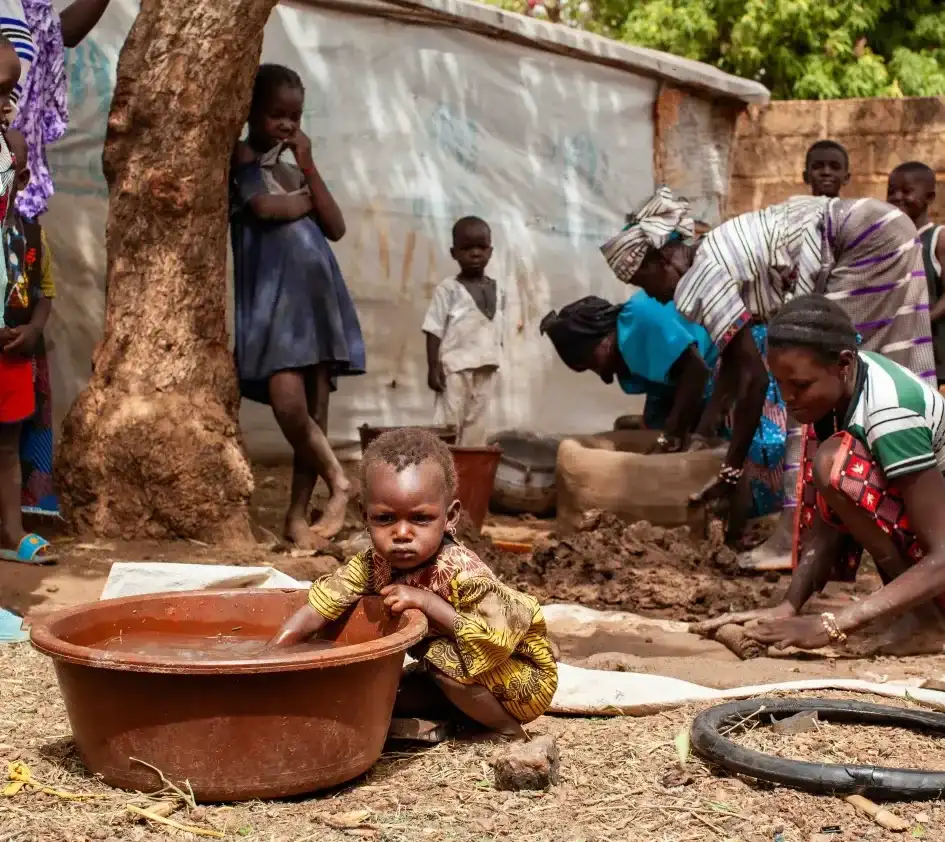
Burkina Faso
Burkina Faso is one of West Africa's least-visited yet most authentic destinations. Gaining independence from France in 1960, this country boasts diverse geographies, starting from the northern Sahara Desert and extendin…


When to Go
The best time to visit Burkina Faso is between November and February. This period is dry and cool, offering ideal conditions for sightseeing. You can also travel in March and April, but temperatures start to rise.
From October onwards, rainfall decreases, and the country becomes accessible for travel. The summer season (June-October) is very wet, which can make access to some areas difficult. During the hot season (May-June), temperatures can exceed 40°C.
How to Get There
To reach Burkina Faso from Turkey, Ouagadougou Airport (Or.O) in Ouagadougou is used. Some international airlines, including Turkish Airlines, fly this route. During periods when there are no direct flights, connecting flights via Europe are available.
Although Turkish citizens without a visa can obtain one at the airport, it is recommended to get a visa from the consulate beforehand, as many airlines require a visa for boarding. Your passport must be valid for at least six months.
Getting Around the City
Taxis are common in Ouagadougou, and their prices are reasonable. It is necessary to agree on the fare before getting in, as written prices are not usually displayed. Minibuses (brousse) are also a widely used and cheap transportation option by locals. Car rental is also available, but driving within the city requires caution.
To go to other regions of the country, you can use intercity minibuses (usually departing from minibus stations). Overnight travel is common for long distances. It is necessary to check the security situation before traveling.
How Many Days Are Enough
3-4 days are sufficient to see Ouagadougou and its surroundings. If you want to explore the country's natural beauties, planning 5-7 days will provide a more relaxed experience. Visiting Reserve de Nazinga, Les Pics de Sindou, and other regions requires additional time.
If you also want to see the areas near the Sahara Desert, you can aim for 7-10 days. However, exploring at a more relaxed pace rather than a fast-paced tour will enrich the experience, considering the tempo you can handle.
Suggested Itinerary
A classic itinerary can be outlined as follows: arrival in Ouagadougou, visit to Moro-Naba Palace and city museums (1-2 days), then exploring the Monument des Martyrs and art centers, and seeing the Laongo Sculpture Symposium (half a day). Afterwards, you can head north towards Les Pics de Sindou.
Reserve de Nazinga, an important forest area and wildlife conservation center of the country, is located to the northeast. If time permits, you can also explore the southwest region, including Gaoua and Loropéni Castle. Do not miss the markets in Ouagadougou and local markets, as the daily life of the country is most vividly seen here.
Where to Stay
In Ouagadougou, there are mid-to-high-range hotels such as Sofitel, Le Tournessol, and Azalaï Hotel. For budget-conscious travelers, affordable guesthouses and boutique hotels are available. If you travel to other regions of the country, you can find lodges and simple hotels, but quality standards vary.
Staying in Ouagadougou will be safer and more comfortable. Choosing areas in the city center means easier access to health services and assistance. Safe areas can be identified with a local guide and a map.
What to Eat
Burkina Faso cuisine is simple, delicious, and rich in protein. Tô is the country's staple food, made from rice or corn flour with a sauce. Riz gras (rice pilaf), dâl (lentil soup), and various minced meat sauce dishes are common. Poupou (a dish similar to burdur) and sakura (a sweet made from sugarcane) are also popular.
Street foods include banana omelets and various fried fish. Kola nut, kekoa drink, and traditional beer (dolo) are local beverages. Restaurants in tourist areas also offer international options, but trying local dishes will definitely enrich your travel experience.
Shopping
Ouagadougou's markets, especially Grand Marché and Quartier de Commerce, are centers for handicrafts and artisanal products, where you can find copper items, wooden toys, woven goods, and semba fabrics. Bargaining is traditional and expected. Artisanat products are of good quality and prices are reasonable.
At the small sales points in the Laongo Sculpture Symposium area, you can buy works directly from local artists. In tourist shops, the quality is better but prices are higher. The currency in the country is the West African CFA Franc; credit cards are accepted in tourist areas, but cash largely facilitates transactions.
Budget Planning
Burkina Faso is one of West Africa's relatively affordable destinations. Daily mid-to-high-range hotel accommodation can be budgeted between $30-60, food $5-15, and internal travel $10-20. Those opting for economic accommodation can get by on $20-30 per day, but the basic tourism infrastructure is limited.
The limited tourism infrastructure of the country means that tours can be expensive. While unguided travel is safe, costs vary depending on whether you prefer a guided or group tour. For a week-long trip, a general budget can be estimated between $800-1500, with luxury options costing more.
Things to Consider
Security concerns exist in some regions of the country, especially after 2015. Before traveling, check the current warnings from the Ministry of Foreign Affairs. While Ouagadougou city centers are generally considered relatively safe for tourists, thefts and attacks targeting foreigners have been reported.
Avoid isolated places at night and ask locals about the security situation in the city center before venturing out. Tap water may not be safe to drink; prefer bottled water. The quality of health facilities is limited; consider evacuation insurance to Europe for significant medical treatments. Stay away from street animals due to the risk of rabies.
Important Spots for Photography
Les Pics de Sindou is the country's most iconic spot, offering dramatic landscapes with sandstone hills and cliffs, especially ideal for early morning light. The unique architecture and surroundings of the Moro-Naba Palace provide a great opportunity for visual depiction of traditional culture. Ouagadougou markets, with their color and vibrancy, are a paradise for street photographers, though you may need to ask for permission beforehand.
The Monument des Martyrs offers photographic value in terms of modern sculpture and architectural design, with images taken at sunset being particularly impressive. The various sculptures at the Laongo Sculpture Symposium site make for great photos against a natural backdrop. The country's open spaces and landscapes on the edge of the Sahara Desert are ideal for wide-angle shots.
General Information
Burkina Faso is a landlocked country in the middle of West Africa, with an area of 274,000 km². Its capital, Ouagadougou, is the largest city in the country. The official language is French, but local languages (Moré, Dioula, etc.) are widely spoken. The country gained independence from France in 1960 and has a republican government.
The population is approximately 20 million, with a predominantly young demographic. Islam is the dominant religion in the country, but local beliefs and Christianity are also widespread. The country's economy is agriculture-based, with cotton exports being important. Tourism infrastructure is in a developing stage, offering an authentic African experience.
This content originates from neresigezilir.com.tr and may not be copied without permission.
Places to Visit
No places found for this filter.