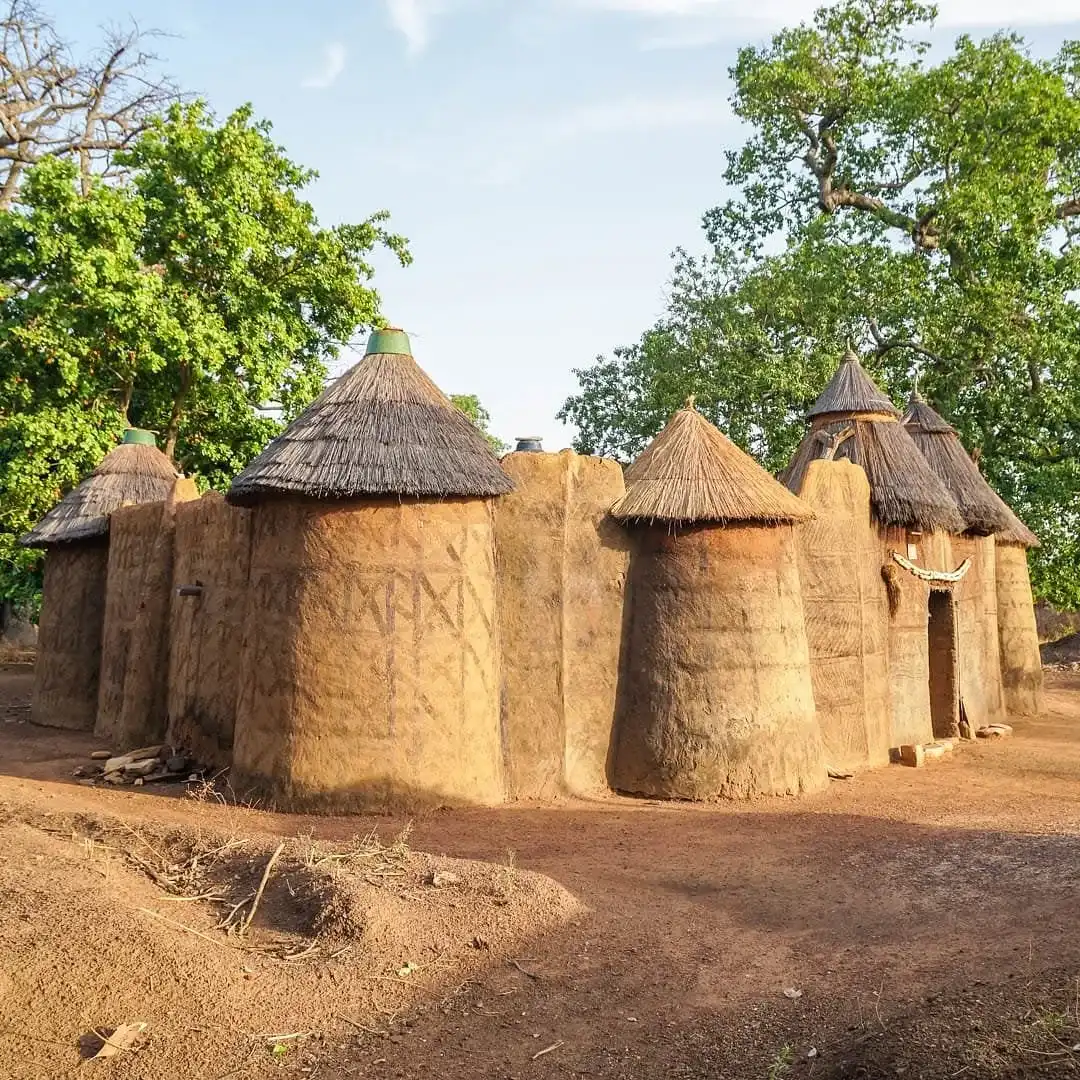
Benin
Benin, located in West Africa between Togo and Nigeria, is a country distinguished by its rich history and cultural heritage. Monuments, palaces, and museums from the glorious period of the ancient Kingdom of Dahomey kee…


Best Time to Visit Benin
Since Benin has a tropical climate, the season you choose will directly affect your trip. Visiting during the dry season, between November and March, is the best choice—the weather is hot but with little rain, providing ideal conditions for sightseeing activities. December and January are particularly recommended.
The rainy season lasts from May to October; during this period, roads can be dusty and muddy, but nature is at its greenest then. If you want to observe wildlife better, choose the dry season; animals gather around water sources in Pendjari National Park for hunting.
How to Get to Benin
There are no direct flights from Turkey to Benin. Common routes include flying from Istanbul to Casablanca, Paris, or to Togo and then entering by bus. Airlines reaching Cotonou, the capital, usually require a layover. The Benin e-visa can be easily obtained online by Turkish citizens; it is recommended to complete this process before arriving in the country.
Many travelers from Turkey enter by road via Togo. You will need to get your passport stamped at the border crossing. Buses or shared taxis/minibuses are used for intercity travel; domestic transportation can be a bit relaxed, so allow plenty of time.
Major Cities and Places to Visit
Cotonou is Benin's largest city and its air travel gateway; however, Porto-Novo is the capital. In Cotonou, you should see Marche Dantokpa (the large market) and the coastal area. Historically, Abomey is more important—the capital of the Dahomey Kingdom is here, and the Royal Palaces Museum is open to visitors; the palace complexes are quite impressive.
Ouidah is famous for its slave trade history; the monument called La Porte Du Non Retour (Gate of No Return) is located there. Pendjari National Park is in the country's northeast and offers a chance to see lions, elephants, antelopes, and hippos. The sacred temple called Pythons Temple also attracts visitors—it is a place of worship full of boas and pythons.
How Many Days to Stay in Benin
At least 5-7 days are sufficient to see the main sights of Benin. You can spend the first 2 days in Cotonou and Porto-Novo, and 2-3 days exploring historical sites in Abomey and Ouidah. If you want to visit Pendjari National Park, you should allocate an additional 2-3 days because transportation there is a bit long, and safari tours are full-day activities.
If you want to explore the country at a slow pace, focusing on cultural experiences and interacting with locals, 10-12 days would be ideal. Benin is not a fast-paced travel destination; stretching the pace, spending time in markets, and seeing village life are the real attractions of this country.
Suggested Travel Itinerary
Day 1-2: Cotonou - After arrival, walk through Marche Dantokpa market, eat by the coast, take a day trip to Porto-Novo. Day 3-4: Abomey - Visit the Royal Palaces, explore the museum, discover local handicraft workshops. Day 5-6: Ouidah - Visit La Porte Du Non Retour, see the Ouidah Museum, and don't forget to relax on the beach.
Day 7-9: Pendjari National Park (optional) - Go on a safari tour, observe wildlife. Start early due to the long return journey. If you have less time, staying within the Cotonou-Abomey-Ouidah triangle might be more sensible.
Accommodation Options
In Cotonou, you can easily find tourist facilities, small hotels, and guesthouses; those with a mid-to-high budget will have a comfortable experience. In Abomey and Ouidah, there are more modest options, but cleanliness and basic comfort are provided. If you want to experience village life, you can also consider homestays with local families—some tourist agencies organize this service.
Luxury hotel chains are limited in Benin; keep your expectations realistic. Prefer to stay in safe areas close to city centers. Internet and electricity will be more stable in Cotonou. Prices are at balanced levels compared to Turkey.
Beninese Cuisine and Local Delicacies
Beninese dishes carry the typical flavors of West Africa—they include plenty of spices, yam, cassava, and fish. Akasan, a corn paste, and a soup similar to Brazilian bean soup called gariban are very popular. Peanut soups (arachide) are quite filling and delicious; they accompany vegetables and fish cooked in palm oil. Zebu (beef) meats, similar to those in China, are also common.
Street foods include akara (chickpea fritters), plantain (cooked banana), and various meat skewers. Coffee and tea are common in the mornings, but be sure to drink water from safe sources—prefer bottled water. Do not hesitate to question the quality and freshness of food, especially at street stalls.
Shopping and Souvenirs
Marche Dantokpa is the largest market in Cotonou—textiles, spices, artworks, and daily goods are sold; bargaining is essential here. In Abomey, handmade ceramics and craft products are found to be of good quality and inexpensive. In Ouidah, local handicrafts are also sold in cultural centers. Beninese art (especially wood carvings) is very valuable, but remember that it can be heavy.
Prices in tourist areas may be slightly higher. Be vigilant when vendors in markets are handling money. Benin's cultural products are truly unique—fetishes (spirit art), masks, and drum collections are popular. Purchase from reliable shops or places recommended by your guide.
Budget Guide
Benin is a quite affordable destination. With 40-60 dollars a day, you can stay in a 3-star hotel, eat in restaurants, and go on sightseeing tours. Budget travelers can manage with 25-30 dollars a day, but without compromising on accommodation. Safari tours, guided excursions, and flight transfers incur additional costs. Bus tickets from Cotonou to other places are very cheap.
The official currency is the West African CFA franc (XOF). ATMs are common in Cotonou but may be limited in other cities. Consider withdrawing enough cash in advance. If you visit Benin during the summer holiday season, prices will be slightly higher; you can find better deals during the off-season in winter months.
Safety and Warnings
Benin is generally considered a relatively safe country within West Africa, but you should take basic precautions. Avoid walking alone at night and displaying flashy or valuable items. Health infrastructure is limited—ensure your vaccinations are up to date (yellow fever, typhoid, etc.) and definitely get travel insurance. The weather can be very hot, so don't forget to wear sunscreen and a hat.
Drink bottled water, and be careful about hygiene with street food. Carry a photocopy of your identification document while traveling, and keep your passport in a safe place. Guided tours are safer and more informative for first-time visitors. Before going to Benin, check the warnings from your foreign ministry and note down embassy contact information.
Best Places for Photography
La Porte Du Non Retour (Gate of No Return) in Ouidah is a dramatic photo spot—its historical weight and coastal backdrop are impressive together. Marche Dantokpa's colorful market, with its people and cultural textile diversity, is a photographer's paradise; go early in the morning. The complex architecture and historical details of the Abomey Royal Palaces are perfectly framed for photographs.
Join a safari tour for wildlife photography in Pendjari National Park—encounters with lions, elephants, and antelopes offer unique moments. The hustle and street life in Porto-Novo are suitable for realistic, social photographs. The beaches in Ouidah are great for sunset scenes; local fishing boats and beach life offer authentic images.
General Information About Benin
Benin is a country in West Africa, located between Togo and Nigeria, with a coastline extending to the Gulf of Guinea. The rich history of the Dahomey Kingdom lived in these lands; the kingdom later came under French colonization and gained independence in 1960. The country's name is inspired by this historical kingdom, and the entire country bears this name, not just the city of Benin (within Nigeria). Its population is approximately 12-13 million, the official language is French, but many local languages are spoken.
Benin is a cornerstone destination for those interested in history, culture, and nature—an ideal bastion for understanding the history of the slave trade, seeing the spiritual life of Africa, and discovering West African wildlife. The country is open to tourism, people are hospitable, and the pace of the country is slow and contemplative. Benin is a complementary choice for travelers who want to establish a deep connection, as opposed to fast-consumption tourism.
This content originates from neresigezilir.com.tr and may not be copied without permission.
Places to Visit
No places found for this filter.