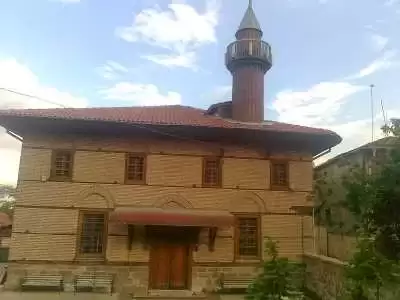
Hacı Bayram Veli Tomb is the tomb of Hacı Bayram-ı Veli, the founder of the Bayramilik order, built in 1429 with red Ankara stone and white marble, adjacent to the mihrab wall of Hacıbayram Mosque in Ankara's Ulus district, and is open to visitors free of charge.
Hacı Bayram Veli Tomb is a structure almost integrated with Hacıbayram Mosque, which rises at the foot of Ankara Castle, right next to the Temple of Augustus. The tomb was built in 1429 — after the death of Hacı Bayram-ı Veli — adjacent to the mihrab wall of the mosque and is considered one of the most elegant examples of 15th-century Ankara architecture. Its body, rising from large red Ankara stone, is crowned with white marble in the upper section; this color contrast gives the structure both a simple and impressive appearance.
Inside the tomb, there are sarcophagi arranged in two rows, and the space has hosted an uninterrupted tradition of visitation and prayer for centuries. Hacı Bayram-ı Veli was born in 1352 in the village of Zülfadl on the banks of the Çubuk Stream in Ankara; he became the founder of the Bayramilik order, which left deep traces in Anatolia in the 14th and 15th centuries. His tomb is still visited by thousands of people today as a spiritual sanctuary. Together with the surrounding historical streets, the booksellers' bazaar, and the ruins of the Temple of Augustus, this area is the corner of Ankara with the most intense historical atmosphere.
Guide's Note

Hacı Bayram Veli Tomb stands out for most visitors due to its deep spiritual atmosphere. A frequently emphasized point in comments is the quiet and respectful environment of the tomb, which gives inner peace. The mosque being in the same area as the tomb allows you to experience the visit as both worship and a historical discovery.
From a practical perspective, the cleanliness of the ablution areas and toilets has been positively received by visitors. The place is among the popular destinations for those visiting the city, as it houses the tomb of Hacı Bayram-ı Veli, a name synonymous with Ankara's spiritual and historical identity.
Comments from the last six months are quite limited and mostly consist of short impression notes; therefore, it is difficult to make a comprehensive assessment of all aspects of the place. Although no negative feedback has been shared, it is recommended to research current conditions separately before your visit.
History and Importance of the Tomb
Hacı Bayram-ı Veli was born in 1352 in the village of Zülfadl near Ankara; he founded the Bayramilik order, which deeply influenced the Anatolian Sufi tradition in the early Ottoman period. His tomb, built in 1429 after his death, became an integral part of the place of worship due to its location adjacent to the mihrab wall of the mosque. The structure, considered one of the most valuable examples of 15th-century Ankara architecture, reflects the aesthetic understanding of its era with its use of red Ankara stone and white marble. Inside, sarcophagi arranged in two rows create an atmosphere where visitors have prayed for centuries.
Best Time to Visit
Visiting the tomb in the early morning or late afternoon is ideal for avoiding crowds and finding a peaceful environment. Friday prayer times and religious holidays are the busiest periods in the area; these times can be preferred by those who want to experience the spiritual atmosphere more intensely, but long waiting times should be taken into account. There is no restrictive season for visiting throughout the year; however, spring and autumn offer the most comfortable weather conditions for exploring the surrounding historical streets. In summer, the sun can be quite harsh during midday.
How to Get There?
Reaching by public transport is both practical and the most environmentally friendly option. You can reach the tomb by taking the M1 line of the Ankara metro to Ulus Station and walking for about 10-15 minutes. This walking route will also take you through the historic Ulus bazaar. There are also many municipal buses operating to Ulus from different parts of the city. For those coming by car, there are paid parking areas in the region, but finding a parking spot can be difficult, especially on weekends and religious days; therefore, public transport is recommended.
Photo Spots
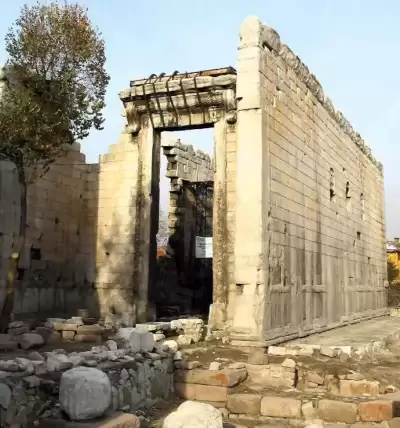
Hacı Bayram Veli Tomb and its surroundings offer a very rich area for photography enthusiasts. The color contrast between red Ankara stone and white marble creates impressive shots, especially in the morning light. The ruins of the Temple of Augustus, right next to the tomb, allow for unique compositions framed by ancient columns. The view of the tomb from the courtyard of Hacıbayram Mosque is also a frequently preferred shooting spot. The surrounding historical stone streets, wooden bay-windowed houses, and booksellers' bazaar also provide rich material for documentary-style photographs.
What to Eat Nearby?
The area around Hacıbayram is full of artisan restaurants and small cafes where you can find traditional Ankara flavors. In the Ulus district, places serving Ankara tava, çiğ köfte, and traditional Turkish breakfast can be easily found. Small patisseries and pastry shops in the historic bazaar are ideal for a short break. For a more comprehensive dining experience, you can expand your options by heading from Ulus towards Kızılay. Sitting in one of the tea gardens nearby before or after your visit is also a nice way to feel the spirit of the region.
Suggested Route: Historic Ulus Tour
Hacı Bayram Veli Tomb can be easily placed at the center of a comprehensive Ulus route that presents Ankara's historical layers together. You can start your day with the Temple of Augustus to trace the Roman period, then visit Hacıbayram Mosque and its tomb. From there, you can walk towards Ankara Castle to explore the historic neighborhood and walls within the castle. Small handicraft shops and viewpoints await you inside the castle. On the way back, you can complete the historical atmosphere by passing through the artisan bazaar in Ulus. This route can be completed at a relaxed pace in half a day to a full day.
Things to Consider Before Visiting
The tomb is part of an active religious site; therefore, it is important to adopt a quiet and respectful attitude during your visit. Shoes may need to be removed when entering; wearing appropriate socks provides comfort. Female visitors are expected to cover their heads; scarves can usually be provided at the entrance of the tomb. When taking photos, it is courteous to respect the privacy of other visitors inside. Access to the tomb may be restricted during prayer times; planning your visit outside these hours may be more practical.
This content originates from neresigezilir.com.tr and may not be copied without permission.
Hacı Bayram Veli Tomb Videos
Hacı Bayram Veli Tomb videos load when you open this section to keep the page fast.
Show videos
FAQ
Updated: